What Happens to Water at Car Washes—Is It Recycled?
Are you tired of feeling guilty every time you take your car to the wash? Many people struggle with how much water is used and wonder if their car gets cleaned without harming the environment. You’re not alone in wanting a cleaner car and a cleaner planet.
At car washes, water is often recycled through advanced filtration systems that remove dirt, oil, and grease. This treated water is stored and reused for multiple washes, saving both resources and reducing environmental impact.
Many facilities recycle over 80% of their water, helping conserve fresh water supplies and prevent pollution.
Want to uncover more about how innovative technology keeps your car clean while protecting the environment? Keep exploring to learn more.
Key Takeaways
- Many car washes use advanced filtration systems to recycle over 80% of the water they use.
- Recycled water is collected from rinsing, cleaning, and drying, then treated to remove dirt and pollutants.
- This process helps reduce reliance on fresh water sources, conserving resources and protecting the environment.
- Innovative nozzles and eco-friendly systems also help cut down water use while still cleaning effectively.
- Customer awareness and demand play a big role in encouraging car wash facilities to adopt sustainable, water-saving practices.
Where Does Water Come From in Car Washes?

Most car washes get their water from local municipal water supplies, which provide a steady and reliable source. Regarding water sourcing, this guarantees a consistent flow so your car can be cleaned efficiently without interruptions.
The water quality from these supplies is carefully maintained to meet safety and cleanliness standards, meaning it’s usually free of harmful contaminants. Some car washes also use well water or recycled water to reduce reliance on municipal sources.
However, the quality of this water must be closely monitored to prevent streaks or spots on your vehicle. High water quality is essential because impurities can affect the cleaning process and leave residues.
Whether sourced from a city or a well, the goal is to provide clean, fresh water that effectively removes dirt without damaging your car’s paint or finish. This careful sourcing helps guarantee your vehicle gets a thorough, safe clean every time.
How Do Car Washes Use Water to Clean Vehicles?
Sure! Here’s a more conversational version of your text:
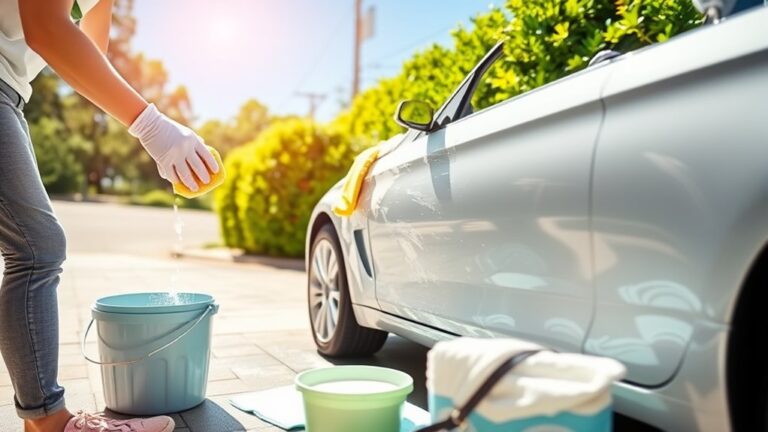
You might be wondering, how do car washes actually use water to clean your vehicle? Well, they use water in a few different ways to get rid of dirt and grime. Usually, they spray or rinse your car with water to loosen and wash away the dirt. Sometimes, they mix the water with special cleaning agents or soap to make the cleaning more effective.
Once your car is thoroughly washed, they move on to drying it off. They often use towels or blowers to make sure there’s no leftover water, leaving your car looking shiny and clean. The whole process is finished with a few final touches to make sure your car is spotless and streak-free, so it looks as good as new!
Water Application Techniques
Water is applied through specialized spray systems that deliver a high-pressure stream to loosen dirt and grime from vehicle surfaces. This high water pressure ensures effective cleaning by removing loose debris before more thorough washing.
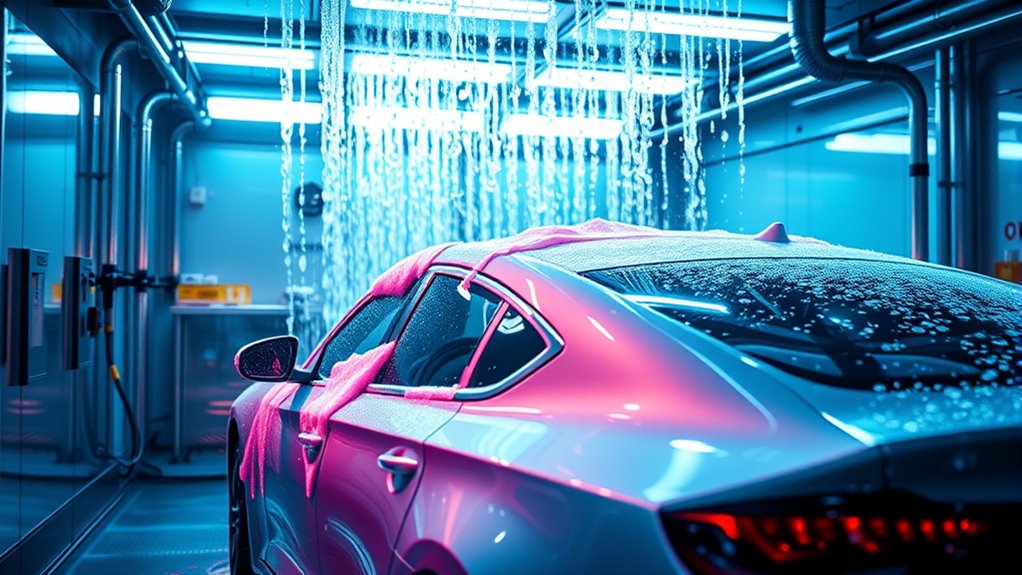
After the initial rinse, foam application is used, where foam is sprayed onto the vehicle’s surface to lift dirt and grease. The foam clings to the vehicle, letting the cleaning agents break down stubborn stains.
These techniques maximize water efficiency by targeting specific areas with the right pressure and foam. The combination of high-pressure rinses and foam application guarantees a thorough clean while reducing water use.
Proper water application techniques are key for effective vehicle cleaning and sustainable water management at car washes.
Types of Cleaning Agents
After applying water effectively through high-pressure sprays and foam, the next step is using specific cleaning agents to break down dirt, grease, and grime. These agents are specially formulated to target different types of contaminants on your vehicle’s surface.
Common types include detergents, which lift dirt, and degreasers, which remove stubborn grease. Some car washes also use environmentally friendly cleaning agents designed to reduce environmental impact.
These eco-friendly options help minimize harmful chemicals released into water systems. The choice of cleaning agents affects not only how well your vehicle gets cleaned but also how eco-friendly the process is.
Using environmentally conscious cleaning agents helps reduce pollution and conserve water quality, making the whole car wash process more sustainable for both your vehicle and the planet.
Drying and Final Steps
Once the cleaning agents have done their job, the final step is to remove any remaining water and residues to leave your vehicle spotless. This is where final drying techniques come into play. Car washes use a mix of methods to guarantee a streak-free finish.
High-powered blowers blast air across your vehicle’s surface, quickly whisking away water. Absorbent towels or chamois cloths are carefully wiped over curves and corners to catch any lingering droplets. Some facilities also use air dryers or heated drying systems for an even, thorough dry.
These drying techniques help achieve a spotless, polished look. They prevent water spots and streaks, making your vehicle look freshly cleaned and perfectly finished.
How Do Car Washes Recycle Water?
Have you ever wondered how car washes manage to reuse water efficiently? They use advanced recycling systems that filter and treat used water, helping to reduce environmental impact and save water.
These systems collect water from rinsing, cleaning, and drying. Then, they pass it through screens and filters to remove dirt, oil, and grease. Once cleaned, the water is stored for reuse in future washes, cutting down on fresh water use.
Here’s a quick look at how it works:
| Collection | Filtration | Reuse |
|---|---|---|
| Water from wash cycle | Removes impurities | Water is stored for reuse |
| Dirt, oil, grease | Filters out debris | Conserves water |
| Recirculated water | Guarantees quality | Reduces environmental impact |
This cycle helps car washes stay eco-friendly, saving water and protecting the environment. Recycling systems are key to sustainable practices, ensuring water is conserved at every step.
How Much Water Do Modern Car Washes Recycle?
Modern car washes are pretty impressive when it comes to recycling water. They use advanced technology to capture and clean the water that’s already been used, which makes the whole process way more efficient. Instead of wasting water, these systems help reuse it, so they’re not just doing a good job cleaning cars—they’re also helping the environment.
Typically, these car washes can recycle over 80% of the water they use. That’s a huge chunk! It really shows how committed they are to sustainability and reducing their impact on our precious water resources.
Recycling Technology Efficiency
Thanks to advancements in recycling technology, many car washes now reuse a significant portion of their water, reducing overall consumption. Modern systems are designed to overcome recycling challenges with innovations like advanced filtration, sediment removal, and chemical treatment. These improvements increase efficiency and water recovery rates.
Imagine this: water flows into a filtration tank, catching dirt and debris. Then, the cleaning solution is treated to remove contaminants and chemicals. Recycled water is pumped back into the wash bays for reuse.
Thanks to these technological advances, car washes can recycle 80% or more of their water. This makes the process both eco-friendly and cost-effective. It helps reduce water waste while still maintaining high cleaning standards.
Water Recovery Processes
Advances in recycling technology have significantly increased the amount of water car washes can reclaim during each cycle. Modern water recovery systems use advanced filtration to remove dirt, oils, and contaminants, making the water reusable.
Many car washes recycle up to 80-90% of their water. This helps reduce water waste and also lowers operational costs. Here’s a quick look at the process:
| Step | Description | Benefit |
|---|---|---|
| Collection | Water is collected from wash runoff | Starts the recycling process |
| Filtration | Water passes through filters | Removes impurities |
| Storage | Clean water is stored for reuse | Ensures availability |
| Reuse | Water is reused in wash cycles | Saves water and costs |
| Monitoring | Regular checks on water quality | Maintains efficiency |
Percentage of Water Recycled
Many car washes now recycle a large portion of their water, often reclaiming between 80% and 90% during each cycle. This helps support sustainability and tackles water scarcity issues.
Picture a system where water flows through filters, catching dirt and grime. The reclaimed water is then treated to remove contaminants.
After treatment, clean, recycled water is reused for the next wash. This process reduces the need for fresh water while still providing effective cleaning.
Modern facilities focus on recycling to conserve water resources and lessen environmental impact. By recycling such a high percentage, car washes play a part in fighting water shortages and promoting eco-friendly practices.
These practices make a real difference, ensuring water is used efficiently and responsibly in the industry.
What Are the Environmental Benefits of Water Recycling in Car Washes?
Water recycling in car washes offers big environmental benefits by reducing water use and conserving natural resources. When you choose a facility that recycles water, you’re supporting water conservation efforts and easing the strain on local water supplies.
This means less fresh water needs to be drawn from natural sources, which helps protect ecosystems. Recycling water also reduces runoff that carries dirt, chemicals, and pollutants into nearby water bodies, safeguarding wildlife and water quality.
Plus, using recycled water cuts down on the energy needed to pump and treat fresh water. That lowers carbon emissions linked to water processing. These practices promote a more sustainable way to keep your car clean, especially in areas where water is scarce.
Are All Types of Car Washes Equally Water-Efficient?
Not all car washes use the same amount of water, so the way you wash your car can actually make a difference when it comes to conserving water. Some places have traditional systems that might use a lot more water, while others have high-efficiency or eco-friendly options that are much gentler on resources.
Knowing the difference can really help you choose a car wash that’s better for the environment. So, next time you’re looking for a place to get your car cleaned, consider opting for one that uses less water—it’s a small step that can add up to a big impact.
Water Usage Differences
While some car wash methods use much less water than others, not all are equally water-efficient. Your choice affects overall water conservation efforts.
Imagine a full-service wash spraying thousands of gallons, rinsing dirt away with high pressure. An automatic touchless system uses less water thanks to targeted jets and minimal runoff.
A DIY hand wash can waste water if not managed carefully, especially if hoses are left running. These differences show how water usage varies across methods.
Some systems recycle water, reducing waste, while others don’t. Choosing efficient practices and understanding water use helps cut environmental impact and conserve resources.
Types of Wash Systems
Different types of car wash systems vary a lot in how efficiently they use water. Traditional brush washes tend to waste more water because they rely on large amounts of water and cleaning solutions.
In contrast, touchless systems use high-pressure jets and specialized detergents, which reduces water consumption while still cleaning effectively. Foam alternatives create thick suds without using too much water, making them popular for saving water and reducing runoff.
These systems usually use less water per vehicle compared to older, more abrasive methods. If saving water is your goal, choosing touchless systems or foam options can cut water use without sacrificing cleaning quality.
Understanding these differences helps you pick a more sustainable choice when you visit a car wash.
Eco-Friendly Options Available
Choosing an eco-friendly car wash means considering how water-efficient each type actually is. Eco-friendly options focus on sustainable practices and innovative tech. For example, you might see:
- Touchless washes that use high-pressure water jets, which help cut water waste.
- Recycling systems that filter and reuse water multiple times during a single wash.
- Waterless washes that clean your car with special eco-friendly tech, requiring no water at all.
These options help save water and reduce environmental impact. Picking facilities that use these sustainable methods makes your car wash eco-friendly. Not all washes are equally water-efficient, so look for ones that advertise water recycling or waterless cleaning. This way, you support water conservation while keeping your vehicle spotless.
What Happens to Wastewater After It Leaves the Car Wash?
Once wastewater leaves the car wash, it doesn’t just disappear. Instead, it goes through a treatment process to remove pollutants. This step is really important for minimizing the environmental impact of contaminated water.
The treatment typically involves filtering out solids, adjusting pH levels, and removing oils and chemicals. After this process, the water can be safely released into local waterways or reused in some cases.
Here’s a quick overview of the steps involved:
| Step | Purpose | Outcome |
|---|---|---|
| Filtration | Remove dirt, debris, and sediments | Cleaner water for the next steps |
| Chemical Treatment | Break down oils and chemicals | Reduced pollutants |
| Disinfection | Kill bacteria and pathogens | Safe water for discharge or reuse |
This process helps protect ecosystems and makes sure the car wash follows environmental standards. It’s a key part of making car washes more eco-friendly.
How Do Water Recycling Regulations Impact Car Washes?
Water recycling regulations set the standards that car washes must follow to operate responsibly and sustainably. These rules directly influence how you handle wastewater, requiring strict adherence to environmental standards. Compliance isn’t just about avoiding fines; it’s about protecting water sources and community health.
Water recycling rules ensure responsible, sustainable car wash operations that protect community health and water sources.
When regulations are in place, you might picture installing advanced filtration systems to remove pollutants. You’ll also need to regularly test water quality to meet safety benchmarks and maintain detailed records to prove compliance during inspections.
These steps help your facility minimize environmental impact. Regulatory compliance often involves upgrading equipment or adopting new procedures, which can seem challenging at first. But in the end, it makes your operation more efficient, reduces waste, and keeps you within legal bounds.
Staying informed about these regulations ensures your car wash remains lawful and environmentally responsible.
Can Customers Choose Eco-Friendly Water Recycling Options?
Can customers influence the adoption of eco-friendly water recycling options at car washes? Absolutely. Your preferences matter, and many car wash operators are paying attention to what customers want.
If you care about eco-friendly options, ask about their water recycling systems or choose facilities that highlight sustainable practices. Many car washes now offer eco-conscious services, including water-saving technologies and recycling processes, because they want to meet customer demand.
By selecting these options, you send a clear signal that environmental responsibility is important to you. Some car washes even promote their eco-friendly features to attract environmentally conscious clients.
Your choices can encourage more businesses to adopt sustainable water practices, making eco-friendly water recycling more widespread. Being aware of and requesting eco-friendly options helps promote water conservation efforts, supporting both the environment and your values.
What Innovations Are Improving Water Conservation in Car Washes?
Innovations in car wash technology are making water conservation more effective than ever. New water-saving tools now help cut down water use while still getting your car spotless.
These innovations include:
- High-efficiency nozzles that spray fewer gallons but with more pressure, reducing water waste.
- Recirculation systems that collect, filter, and reuse water, supporting more sustainable practices.
- Sensor-driven systems that automatically adjust water flow based on the vehicle’s size and dirt level, preventing overuse.
Thanks to these improvements, you can get a thorough wash without feeling guilty, knowing it’s eco-friendly. Car wash operators are adopting these sustainable practices to save water and lessen their environmental impact.
As a result, you enjoy cleaner cars and a healthier planet, all made possible by innovative technology that makes water conservation easier and more effective.
Frequently Asked Questions
How Do Car Wash Facilities Ensure the Quality of Recycled Water?
Car wash facilities guarantee the quality of recycled water by using advanced water filtration techniques and treatment technologies. You’ll find systems that remove dirt, oils, and chemicals efficiently, making the water safe for reuse.
These processes include filtration, sedimentation, and chemical treatment. By continuously monitoring water quality, facilities keep recycled water clean and safe, reducing waste and environmental impact while maintaining high cleaning standards.
Are There Any Health Risks Associated With Recycled Water in Car Washes?
You should know that recycled water in car washes generally meets strict health standards, reducing health risks.
An interesting fact is that over 90% of water in certified facilities is recycled safely.
While water contamination can pose health concerns, proper filtration and regular testing minimize risks.
As long as the facility follows regulations, using recycled water in car washes is safe for both workers and customers.
How Long Does the Water Recycling Process Typically Take?
The water recycling process at car washes usually takes anywhere from a few minutes to about an hour, depending on the system’s water filtration and recycling technology.
You’ll notice that advanced recycling tech quickly filters out dirt and contaminants, speeding up the cycle. Once cleaned through water filtration, the recycled water is ready for reuse.
This efficient process helps conserve water and reduces environmental impact, making your car wash more eco-friendly.
What Are the Costs Involved in Implementing Water Recycling Systems?
Implementing water recycling systems involves costs like initial setup, equipment, and maintenance, which you should consider in your cost analysis.
While these costs can be significant upfront, investing in a more efficient system boosts overall system efficiency, reducing long-term water and utility expenses.
You’ll need to evaluate your budget and goals to determine if the savings from increased efficiency outweigh the initial investment, making it a worthwhile choice.
Do All Regions Require Car Washes to Recycle Water by Law?
Think of regional regulations like traffic rules guiding car washes—some regions require water recycling, while others don’t. You won’t find a universal law, but many areas aim to reduce environmental impact by mandating recycling systems.
This helps conserve water and lessen pollution. So, whether you operate a car wash or just wonder about the laws, it’s essential to check local regulations to verify compliance and support environmental sustainability.
Conclusion
By choosing eco-friendly car washes, you help conserve thousands of gallons of water. Some facilities recycle up to 80%, which greatly reduces environmental impact.
Imagine saving enough water to fill an average backyard pool nearly five times over each year just by opting for greener options.
Every time you select a water-conscious wash, you contribute to a healthier planet. Making small choices like this can lead to big environmental benefits, especially with water at car washes.