What Temperature Is Too Cold for a Car Wash?
If you’ve ever tried to wash your car during the winter and found the water freezing on your vehicle, you’re not alone. Many people struggle with figuring out the right time and temperature for safe car washes. You want your car to shine, but doing it at the wrong time can cause more harm than good.
You should avoid washing your car when temperatures drop below 32°F (0°C), as water can freeze on the surface and in cracks, causing damage. Cold weather makes soap less effective and increases the risk of ice buildup, seals, and paint getting harmed.
To clean your car safely, wait for temperatures above 50°F (10°C) and during the warmest part of the day.
Keep going to uncover tips to protect your car in winter.
Key Takeaways
- Washing below 32°F (0°C) risks water freezing on the car, which can cause ice spots and potential damage.
- Temperatures under 50°F (10°C) also reduce soap effectiveness and increase freezing risks during washing.
- Freezing conditions can cause water to expand in cracks, damaging paint and seals.
- Icy surfaces during cold weather make washing more dangerous by increasing slip hazards.
- The safest time to wash is when temperatures are consistently above 32°F and ideally between 50°F and 70°F.
Is It Safe to Wash Your Car Outside in Winter?
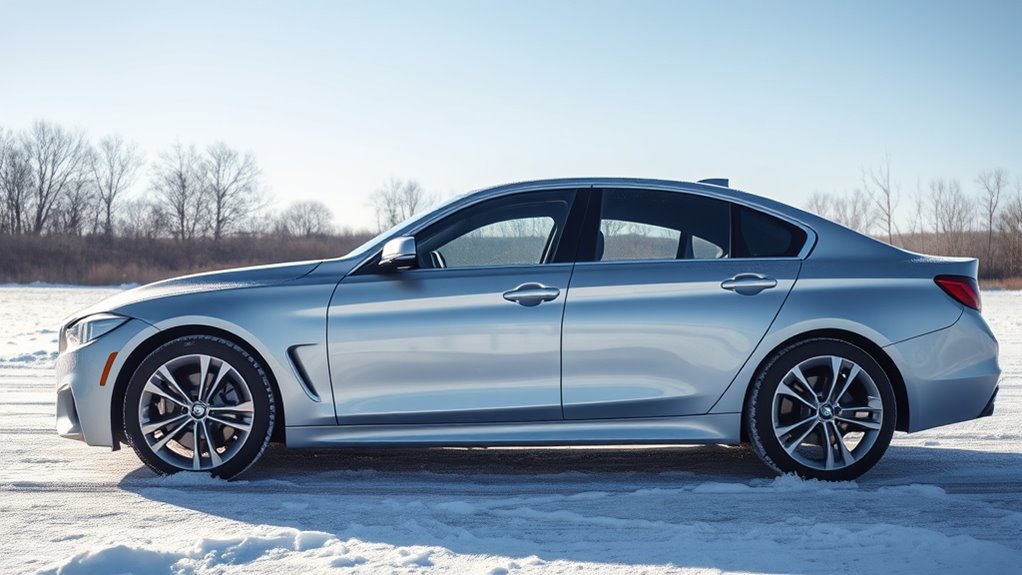
Winter can pose big challenges for outdoor car washes, but whether it’s safe depends mainly on the temperature. If it’s above freezing, you might be able to wash your car outside, but you should still take some cold weather precautions.
Washing your vehicle during winter helps remove salt, mud, and grime that can cause rust and damage. But washing in freezing conditions risks water freezing on the car, which can lead to ice spots and damage to paint or seals.
Washing in winter removes damaging salt and grime but risks freezing water and causing damage.
To stay safe, make sure the temperature stays above freezing during and after washing. It’s also a good idea to dry your car thoroughly to prevent ice buildup. Using lukewarm water can help stop water from freezing immediately.
Always check the weather forecast before washing. If temperatures drop too low, it’s best to wait until conditions improve. Taking these steps helps protect your vehicle and avoid winter-related damage.
What Temperature Is Too Cold for a Car Wash?
When it gets really cold outside, washing your car can become a bit tricky. If the temperature drops too low, the water you use can freeze on your car, and that’s not good news. It can actually cause damage to your paint or trim if it freezes overnight or during the wash.
Generally, it’s best to stick to temperatures above 32°F (0°C). That way, the water won’t freeze instantly and you can wash your car safely. Knowing the right temperature range helps you avoid any costly problems and makes sure your car gets nice and clean without any hassle.
Freezing Risk During Wash
Freezing temperatures can be a big problem during a car wash since water can turn to ice on your vehicle and nearby surfaces. When it gets below freezing, taking precautions is really important to prevent dangerous ice buildup.
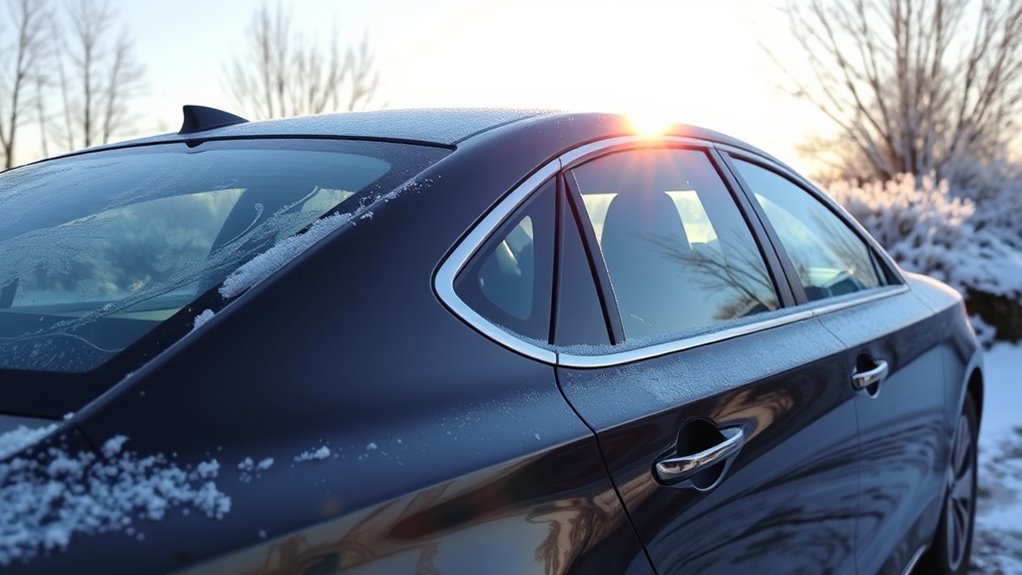
If you wash your car in cold weather, leftover water can freeze overnight, making slippery spots and possibly damaging your paint or trim. You might also see ice forming inside locks, door seals, or vents, which can make opening or using your vehicle tough.
To stay safe, try to avoid washing your car during freezing weather or go to a heated, indoor facility. If you have to wash outside, do it quickly, dry your vehicle well, and make sure all water is removed to stop ice from forming.
Optimal Temperature Range
Understanding the ideal temperature range for washing your car can help you avoid the risks associated with cold weather. Generally, the best temperature range is above 50°F (10°C), where the effects on cleaning are minimized.
When temperatures stay within this range, you can use the most effective methods for a thorough wash without worrying about freezing or soap residue. Cold weather below this can cause water to freeze quickly, making rinsing and drying difficult.
Using optimal wash methods, like pre-wetting and gentle scrubbing, works best in this range. Here’s a quick overview:
| Temperature Range | Effect on Car Wash |
|---|---|
| 50°F to 70°F | Ideal for most wash methods, minimal risks |
| Below 50°F | Increased risk of freezing, less effective |
How Cold Is Too Cold to Wash Your Car Effectively?
Cold temperatures can really cut down on how well you can wash your car, making it tough to clean properly. When it gets below freezing, cold water can mess with soap lathering and dirt removal, so your car might not get as clean as you want.
Water can freeze on the surface before you’re done washing, leaving streaks and spots. Plus, cold water makes cleaning agents less effective at breaking down grime and grease. That means your car might still look dirty even after washing.
This is especially true in winter, when icy conditions can cause water to freeze instantly on your vehicle. Washing your car below 32°F often leads to ineffective cleaning and potential damage from ice formation.
It’s best to wait until temperatures stay above freezing to get a good wash. Otherwise, you might waste time and water on a process that won’t give you the clean results you’re after.
Check the Weather Before Washing Your Car
Before you head out to wash your car, it’s important to check the weather forecast. Weather conditions can really impact your decision, especially during cold or rainy days.
If rain is expected soon after your wash, it might not make sense to clean your car now. Similarly, freezing temperatures can cause water to freeze on your vehicle, leading to ice spots or damage.
Knowing the forecast helps you plan your wash schedule—so you can avoid unnecessary washes during harsh weather. Check for clear, mild conditions, ideally with no rain or snow in sight.
If the weather looks good, you can confidently wash your car without worrying about it getting dirty again right away or ice forming.
Being mindful of the weather guarantees your efforts are effective and your vehicle stays cleaner longer. Always check the forecast beforehand to make the most of each wash and protect your car from weather-related problems.
What Are the Risks of Washing in Freezing Weather?
Washing your car in freezing weather can cause serious problems because the water you use can freeze quickly on the surface. One big issue is frozen soap, which can stick to your car and form a thick, stubborn layer that’s tough to remove.
This residue can trap dirt and debris, making your car look worse instead of cleaner. Plus, ice can build up around seals, locks, and crevices, leading to damage over time. When water freezes in these areas, it expands and can crack rubber or paint, resulting in costly repairs.
The slippery surface caused by ice buildup also makes moving the vehicle risky. Overall, washing your car in freezing temperatures can do more harm than good. It can trap moisture and create dangerous icy patches. It’s best to skip washing your car during freezing weather to avoid these issues.
What Are the Best Temperatures for Outdoor Car Washes?
When you’re planning an outdoor car wash, it’s best to aim for temperatures between 50°F and 70°F. That way, the water will flow smoothly and dry quickly without any hassle. Washing during the warmest part of the day is a good idea because it helps prevent water from freezing on your car or driveway.
It’s also a good idea to steer clear of early mornings or late evenings, since temperatures tend to drop then. When it gets colder, there’s a higher chance that the water will freeze, which can make things more complicated. So, pick a warmer, sunnier time for the best results!
Optimal Temperature Range
The ideal temperature range for outdoor car washes usually falls between 50°F and 70°F (10°C to 21°C). Within this range, you get the best washing conditions, reducing issues like water spots or paint damage.
Cooler temperatures can make soap dry too quickly, leaving residue behind. On the other hand, higher temperatures might cause streaks or water spots. Here’s a quick guide to help you visualize:
| Temperature Range | Effect on Wash | Best for |
|---|---|---|
| 50°F – 60°F | Slightly cool | Mild cleaning |
| 61°F – 70°F | Comfortable | Ideal washing |
| 71°F – 80°F | Warm | Fast drying, minimal streaks |
| 81°F and above | Hot | Use caution, risk of streaking |
Sticking to this range will help you get the best results with minimal issues.
Risks of Freezing Water
When temperatures drop below freezing, water can quickly turn into ice on your vehicle and the surrounding surfaces, creating serious risks during an outdoor car wash. Ice formation can make surfaces dangerously slippery, increasing the chance of accidents.
Plus, water that seeps into cracks or crevices can freeze and expand, leading to paint damage or even cracks in the glass. Freezing water can also cause water damage inside your vehicle if moisture gets trapped.
Imagine this: water pooling on your car turns to ice, making it hard to move or clean effectively. Hidden cracks expand as water freezes, risking costly repairs. Frozen water inside door seals or other openings can cause sticking or damage.
To avoid these issues, it’s best to keep outdoor car washes above freezing temperatures. This helps prevent ice formation and water damage that can be costly and hard to fix.
Best Time of Day
Choosing the right time of day for an outdoor car wash can really make a difference in avoiding issues caused by cold temperatures. The best time is when temperatures are above freezing, usually during the morning sunlight or the afternoon warmth.
Morning sunlight helps melt any leftover frost and dries your car faster, which reduces ice buildup. Afternoon warmth keeps water from freezing on surfaces and helps prevent spots.
Consider this table:
| Time of Day | Benefits |
|---|---|
| Morning sunlight | Warms surfaces, speeds up drying |
| Afternoon warmth | Maintains temperature, prevents freezing |
Washing your car during these times ensures it dries thoroughly and reduces the risk of freezing water. Timing your wash right makes all the difference in keeping your vehicle safe and clean.
Tips for Washing Your Car Safely in Cold Weather
Washing your car in cold weather requires extra care to prevent damage and guarantee safety. When temperatures drop, icy conditions can make washing techniques tricky and increase the risk of damage. To stay safe during winter maintenance, follow these tips:
- Use warm water instead of cold to help loosen dirt without risking freezing on your vehicle.
- Choose a mild, winter-specific soap that won’t harm your paint or seals.
- Dry your car thoroughly with a microfiber cloth to prevent ice formation and water spots.
Visualize the process: steam rising from warm water, a gentle scrub, and a quick, thorough drying. Avoid washing in freezing temperatures, especially if the water could freeze on your car or ground.
How to Protect Your Car’s Paint and Seals During Winter Washes
To protect your car’s paint and seals during winter washes, it’s important to use gentle cleaning products that won’t strip away protective coatings or cause damage. Opt for pH-balanced, sulfate-free soaps made specifically for paint protection and seal maintenance. Stay away from harsh chemicals and abrasive tools that can scratch or dull your finish.
Regularly applying a quality wax or sealant adds an extra layer of defense against winter grime and moisture. Here’s a quick guide to help you keep your car in top shape:
| Tip | Explanation | Benefit |
|---|---|---|
| Use gentle soaps | Prevents damage to paint and seals | Maintains paint protection |
| Avoid high-pressure hoses | Reduces risk of stripping sealants | Protects seals |
| Apply sealants regularly | Reinforces seal maintenance | Keeps seals waterproof |
| Dry thoroughly | Prevents water spots and freezing | Preserves paint and seals |
| Use soft cloths and sponges | Minimizes scratching | Improves paint protection |
Following these tips will help ensure your car stays protected during winter washes.
When Is the Best Time of Day to Wash Your Car in Winter?
Have you ever wondered when the best time of day is to wash your car during winter? The ideal time is when you can maximize sunlight and minimize cold exposure. Morning sunlight warms your car gradually, helping water evaporate faster and reducing ice formation.
Washing during the afternoon also works well because it avoids the harshness of early morning cold. Consider washing your car during late morning, when the sun is high enough to provide warmth but not too intense.
Mid-afternoon is another good option, as shadows are longer and temperatures are slightly warmer. On sunny days, regardless of the time, direct sunlight speeds up drying and helps prevent ice buildup.
Signs Your Car Got Damaged From Cold Washing
Even when you pick the best time of day for winter washing, cold temperatures can still cause damage if you’re not careful. After a cold wash, check your car for signs of cold damage.
Cracks or chips in the paint may appear if water froze and expanded, stressing the surface. You might also notice dull or cloudy patches, which indicate paint damage from sudden temperature changes.
Cracks, chips, and cloudy patches signal paint damage from freezing water and temperature shifts.
If your car’s glass shows tiny cracks or chips, cold damage from the wash could be to blame. Also, look for rust spots or bubbling paint, as trapped moisture can worsen in cold weather.
Feel for rough patches or streaks on the paint, which can signal that the cold wash harmed the finish. Recognizing these signs early helps prevent further damage and keeps your car looking its best.
Always pay attention to how your vehicle responds after a winter wash to avoid costly repairs caused by cold damage.
Frequently Asked Questions
Can Washing in Cold Weather Cause Water Spots or Streaks?
Washing your car in cold weather can cause water spots and streaks if you don’t take proper precautions. When water evaporates quickly, minerals can be left behind, leading to spots. That’s why preventing water spots is so important.
To avoid streaks, make sure you dry your car thoroughly and use quality products. Proper technique is key for removing streaks, so don’t rush. Cold temperatures need a bit more attention for that perfect, streak-free finish.
Does Cold Water Cleaning Affect My Car’s Wax or Protective Coatings?
Cold water cleaning can impact your car’s wax durability and protective coatings if the water is really cold. When temperatures drop too low, wax and coatings can become more brittle and easier to damage.
Using very cold water in freezing weather can lead to coatings cracking or peeling. It’s best to avoid washing your car in such conditions to keep your shine and protection intact.
Stick to milder temperatures to preserve your wax and coatings. That way, you’ll help them last longer and keep your car looking great.
Are There Specific Detergents Better for Winter Car Washes?
A stitch in time saves nine, and choosing the right winter detergents can save your car’s finish.
In cold weather, go for winter detergents specially formulated for low temperatures. They won’t freeze or lose effectiveness.
These detergents cut through grime while protecting your paint and wax coatings.
Using the right product ensures your car stays clean and protected, even when it’s freezing outside.
That way, you won’t have to redo the job later.
How Does Temperature Impact the Effectiveness of Snow or Salt Removal?
Cold temperatures can make it harder to remove snow and salt because ice and snow stick more firmly to your car’s surface. When it’s really cold, salt doesn’t dissolve well, which makes rinsing it away tougher.
At lower temperatures, snow and salt tend to stick around longer, increasing the chances of rust and damage. Washing your car above freezing helps make snow removal easier and cuts down on salt corrosion.
Can Washing Your Car in Cold Weather Help Prevent Ice Buildup?
Wondering if washing your car in cold weather helps prevent ice buildup? It can, by removing salt, dirt, and grime that promote ice formation.
Regular washes, even in low temperatures, reduce ice accumulation and protect your vehicle’s paint. Just make sure the water isn’t too cold to freeze quickly, which could make things worse.
Keep up with wash frequency during winter for effective ice prevention and a cleaner ride.
Conclusion
Washing your car in winter can feel like walking a tightrope—balancing cleanliness and safety. If the temperature drops too low, ice and damage threaten your vehicle, much like a fragile snowflake.
Keep an eye on the weather, wait for milder days, and follow safety tips to protect your car’s paint and seals.
Knowing what temperature is too cold for a car wash is key. Usually, when the thermometer hits below freezing—around 32°F or 0°C—it’s best to delay washing your car.
At these temperatures, water can freeze on your vehicle, creating ice patches and risking damage to paint and seals.
With caution, you’ll keep your car shining bright, just like a jewel untouched by winter’s chill. Remember, avoiding a car wash when it’s too cold helps protect your vehicle, especially if you’re unsure about the temperature threshold for safe washing.