Does a Car Wash Scratch Your Car?
Are you tired of worrying that your car wash might be doing more harm than good? You’re not alone—many people struggle with how to keep their cars spotless without risking scratches or damage.
Finding the right method can feel overwhelming with so many options out there.
A car wash can scratch your car if proper techniques and tools aren’t used, especially if dirt or debris get trapped in brushes or sponges.
Rough or old equipment, improper cleaning products, and high-pressure washers can also cause micro-scratches or paint damage.
However, with careful choices like soft brushes, microfiber mitts, and touchless options, you can minimize risks.
Keep exploring to uncover how to protect your vehicle better during each wash.
Key Takeaways
- Modern car washes mainly use soft brushes or cloths that are designed to reduce scratches.
- But if the brushes are dirty or worn out, they can cause tiny scratches and damage to your paint.
- Touchless or soft-touch automatic washes are usually safer and less likely to scratch your car.
- Using improper washing techniques or contaminated tools can increase the risk of scratches.
- Regularly inspecting your car and keeping your equipment well-maintained help reduce the chance of damage during washing.
Does a Car Wash Scratch Your Car? What You Need to Know
Many car owners wonder whether using a car wash can actually scratch their vehicle’s paint. There are plenty of car wash myths out there, and some folks believe that even the gentlest washes might damage their paint.
The truth is, most modern car washes are designed with paint protection in mind. Automated systems often use soft brushes or cloths that are safe if properly maintained.
However, if those brushes are dirty or worn, they can cause scratches. Hand washing can be safer, but only if you’re careful and use proper techniques.
It’s essential to avoid harsh scrubbing and stick to gentle cleaning methods. Regular maintenance of the wash equipment also plays a big role in preventing damage.
How Do Car Washes Work and What Types Are Available?
Car washes operate by applying water, detergents, and cleaning tools to remove dirt and grime from your vehicle’s surface. There are several car wash types, each using different wash mechanics.
Self-serve washes let you control the process with a spray wand and brushes; these are simple and cost-effective. Automatic or touchless washes use high-pressure water, detergents, and sometimes brushes or rollers to clean your car quickly.
Self-serve washes offer control with spray wands, while automatic washes use high-pressure water and detergents for quick cleaning.
Mechanical or soft-touch washes involve large brushes or cloth strips that rotate and scrub your vehicle. They can be efficient but may pose risks if not properly maintained. Hand washes rely on manual labor, offering gentle and thorough cleaning when done correctly.
Knowing the wash mechanics behind each type helps you choose the right method for your vehicle. Whether you prefer convenience or careful attention, understanding how different car wash types work guarantees you select the best option to keep your car clean without damage.
What Causes Scratches During a Car Wash?
Scratches during a car wash can happen pretty easily if there’s dirt or debris on your car’s surface. When you’re washing, those tiny particles can act like sandpaper, especially if you’re using rough cloths or brushes. It’s like rubbing grit into your paint, which can leave scratches behind.
Also, if you’re not careful with your washing techniques, it can make things worse. For example, pressing too hard or using equipment that’s dirty or worn out can really damage your car’s finish. Over time, this wear and tear can lead to more scratches and surface damage. So, it’s always good to be gentle and use clean, soft materials when washing your car to keep it looking its best.
Dirt and Debris Transfer
When dirt and debris aren’t thoroughly removed before washing, they can transfer onto the car’s surface and cause scratches. Dirt buildup, especially in hard-to-reach spots, can get stuck in your wash mitt or sponge, leading to scratches during cleaning.
If debris isn’t properly removed beforehand, it’s more likely to be dragged across the paint, damaging the finish. So, focus on effective debris removal and pre-rinsing to avoid this.
Keep in mind: dirt trapped in grime can scratch paint, and using dirty cloths or sponges spreads debris more. Ignoring stubborn debris only increases the risk of scratches.
Proper debris removal helps reduce surface scratches and keeps your car looking its best. Being mindful of dirt transfer is key to a scratch-free wash.
Improper Washing Techniques
For example, scrubbing with rough sponges or old towels can create micro-scratches that mar the surface. Likewise, choosing inappropriate cleaning products that aren’t designed for automotive use can leave residues or cause dullness.
Always opt for gentle wash methods, such as using a soft microfiber cloth or mitt. Select high-quality cleaning products formulated for cars. Avoid using household cleaners or dish soap, which can strip protective coatings.
Proper technique and appropriate products help keep your car’s finish smooth and scratch-free.
Worn or Dirty Equipment
- Regularly inspect and replace worn brushes.
- Confirm water is clean and free of debris.
- Avoid brushes with stiff or frayed bristles.
- Use equipment that’s properly maintained.
Are Automatic Car Washes Safer or Riskier for Your Paint?
Here’s a quick comparison:
| Brush Types | Wash Frequency |
|---|---|
| Soft cloth/foam | Less risk if you don’t wash your car too often |
| Bristle brushes | Higher risk if you wash frequently |
| Hard brushes | Always risky, no matter how often you wash |
| No brushes (touchless) | Usually the safest choice |
Choosing a touchless wash reduces the risk of paint damage. If you prefer brushes, go for soft ones and don’t wash too often to protect your car’s paint.
Can Hand Washes Also Damage Your Car’s Paint?
While hand washing your car seems gentle and careful, it can still cause paint damage if you’re not cautious. Using improper techniques or dirty cloths can scratch or dull your paint over time. Even with good intentions, washing too often without proper care can wear down paint protection layers.
To protect your car’s surface, consider these points:
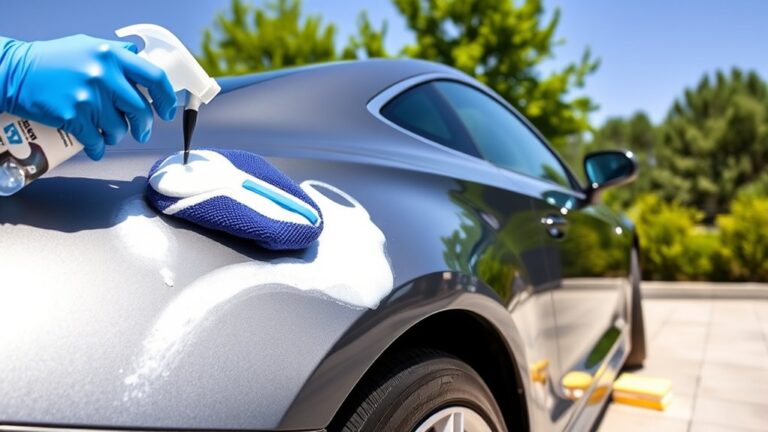
- Use soft, clean microfiber cloths to avoid scratches.
- Avoid washing in direct sunlight to prevent soap and water spots.
- Limit how often you wash to prevent unnecessary wear on the paint protection.
- Be careful of dirt or debris on your cloths that can cause micro-scratches.
Regular, cautious hand washes are helpful but only if you follow proper techniques. Over-washing or using harsh materials can speed up paint deterioration and undo any benefits of cleaning. Paying attention to these details helps keep your car’s finish looking good and extends the life of your paint protection.
How Dirt and Debris Can Scratch Your Car During Washing
Dirt and debris on your car’s surface can cause scratches if they’re not removed carefully during washing. When you wash often, these particles can get stuck in your wash cloth or sponge, which can scratch the paint if not rinsed properly. Even tiny rocks, dirt, or grit can act like sandpaper, damaging your paint protection over time.
To prevent scratches, choose a gentle wash method and wash your car regularly, especially if you’re in a dusty or dirty environment. Using high-quality cleaning tools and soft cloths also helps reduce the risk of damaging the finish.
| Dirt & Debris | Effect on Your Car |
|---|---|
| Sand particles | Cause micro-scratches during washing |
| Mud | Traps dirt that can scratch paint |
| Leaves & twigs | Can scratch if rubbed harshly |
| Road salt & grime | Deteriorate paint protection |
| Dust & pollen | Light but abrasive over time |
Regular washes help keep debris away, preserving your car’s shine and paint protection.
Which Materials and Tools Can Damage Your Car’s Paint?
Using the wrong materials and tools while washing or detailing your car can quickly damage its paint. Harsh or abrasive items can scratch or dull the surface, making your paint look dull and worn down. To keep your car looking its best, avoid:
- Dirty or rough sponges and brushes that trap debris and cause micro-scratches.
- Abrasive cleaning powders or scrub pads that strip away the clear coat.
- Old or contaminated wash mitts which can transfer dirt instead of removing it.
- High-pressure washers that force dirt into cracks or chip the surface.
Choosing gentle, non-abrasive tools helps preserve paint and prolongs your washing routine without risking damage. Remember, excessive washing can wear down paint protection, so stick to a suitable cleaning schedule.
Using the right materials guarantees your car stays shiny and protected. It also helps you avoid costly repairs and keeps your vehicle’s value intact.
How to Tell If Your Car Has Been Scratched at the Car Wash
After washing your car, it’s important to check the paint for any damage to make sure no scratches happened. Use tools like a bright light or a flashlight held at an angle to spot surface imperfections. These can make scratches more visible.
Look closely in natural light or gently wipe the surface with a microfiber cloth. Scratches often catch the light and stand out that way. Keep in mind, washing your car more often can increase the chance of minor scratches if brushes or tools are dirty.
Here’s a quick guide:
| Method | What to Look For |
|---|---|
| Light reflection | Surface irregularities or scratches |
| Touch test | Feel for rough or raised areas |
| Microfiber wipe | Reveals fine scratches or swirl marks |
| Visual inspection | Check in daylight or strong light |
| Wash history review | Think about how often you wash your car |
Tips to Prevent Scratches During Car Washes
To prevent scratches during car washes, it’s important to choose the right methods and tools. Using soft cloths, gentle soaps, and avoiding abrasive brushes can help protect your vehicle’s paint.
Protect your car’s paint with gentle tools, soft cloths, and non-abrasive soaps during washes.
Be mindful of how often you wash your car. Washing too frequently can increase the risk of scratches, especially if dirt and debris aren’t completely removed first.
Here are some tips to keep your car safe during cleaning:
- Use a high-quality, microfiber wash mitt for gentle cleaning.
- Rinse your car thoroughly before washing to remove loose dirt.
- Consider touchless or automated washes that use soft, non-abrasive brushes.
- Limit washing frequency to only what’s necessary to reduce unnecessary wear on your paint.
When Should You Skip the Car Wash to Protect Your Vehicle?
Ever wondered if there are times when skipping the car wash is the best choice for your vehicle’s health? Weather conditions play a big role.
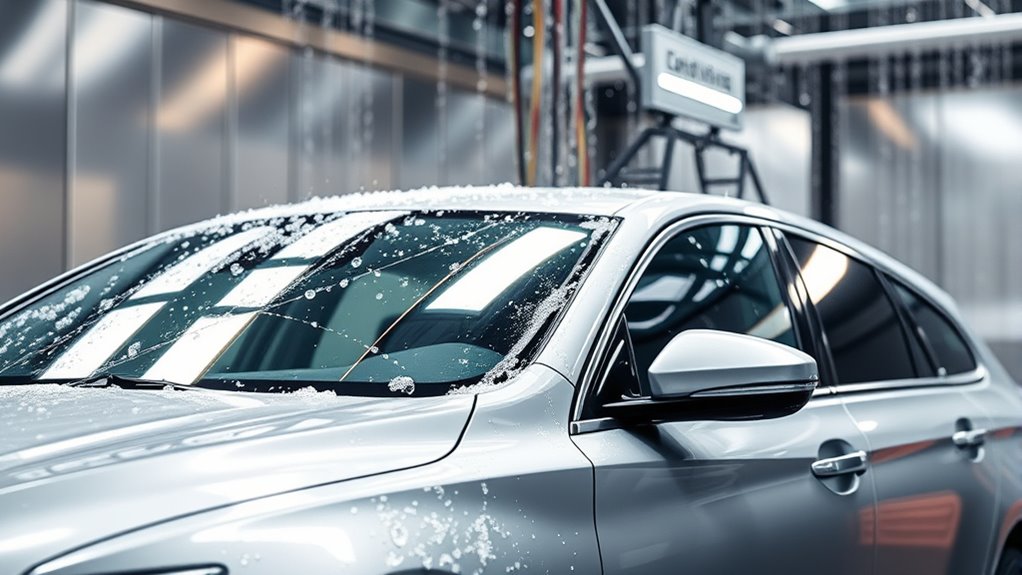
After a snowstorm or heavy rain, dirt, salt, and debris cling to your car’s surface. Washing right away can cause scratches if the dirt is stubborn or the conditions are harsh. Waiting until the weather clears or opting for a gentle, hand wash can help protect your paint.
If roads are salted or icy, washing your car too soon can expose your paint to damage from abrasive particles. Cold temperatures also make it risky to wash your car, as water can freeze and cause paint issues.
To keep your paint protected, skip the wash during extreme weather—especially when your car is covered in ice, snow, or road salt. Prioritizing these conditions will help keep your vehicle in top shape.
Frequently Asked Questions
Can a Clean Car Still Get Scratched During Washing?
Yes, your car can still get scratched during washing, even if it looks clean. Aggressive wash techniques or dirty cloths can cause scratches that damage your paint over time.
To prevent this, use gentle wash methods and invest in paint protection. Regularly clean your wash mitts and brushes, and choose a reputable car wash that focuses on scratch-free techniques to keep your car’s finish looking its best.
Do Different Car Wash Brands Have Varying Scratch Risks?
Yes, different car wash brands have varying scratch risks because of their brush types and wash methods. Some brands use softer, gentler brushes that help prevent scratches, while others use harsher brushes that can cause damage.
Automated wash techniques also differ in pressure and cleaning styles. To reduce the risk of scratches, it’s best to go for brands that use microfiber or foam. Hand washes or touchless options are also safer choices whenever you can.
How Often Should I Wash My Car to Avoid Scratches?
You should wash your car every one to two weeks to prevent scratches, following proper frequency guidelines. Regular washing helps keep dirt and debris from building up and causing damage.
Use gentle wash techniques, like rinsing off loose dirt first and employing two-bucket methods with microfiber mitts, to minimize contact and reduce scratching risk. This careful approach makes a big difference.
Avoid harsh brushes or automatic car washes with stiff brushes. These can easily scratch your paint and cause more harm than good.
Regular, careful washing keeps your car clean without damaging its paint, ensuring a smooth, scratch-free surface. Taking your time and using the right tools can really help protect your vehicle.
Are There Specific Climates Where Scratches Are More Likely?
You’re more likely to scratch your car in hot weather, cold weather, dusty environments, or humid conditions.
Hot weather makes your car’s paint expand, so scratches can stand out more. Cold weather can cause dirt and debris to stick, which increases the risk when washing.
Dusty areas leave particles that can scratch when wiped or washed, and humidity can promote grime buildup. Be sure to clean gently in these conditions to prevent damage.
Always choose the right washing methods for the climate you’re in to keep your car safe.
Can Scratches Occur Even With Professional Car Wash Services?
Even with professional services, scratches can happen if washing techniques aren’t perfect. Imagine soft cloths gliding over your car’s surface, but tiny dirt particles hidden in the fabric can still cause micro-scratches.
Touchless technology reduces contact, yet debris can slip through. Proper waxing benefits your paint, but if the wash isn’t thorough, scratches might occur.
Trust experienced detailers who use gentle methods to keep your car pristine and scratch-free.
Conclusion
While car washes can sometimes cause scratches, choosing the right type and taking precautions greatly reduces that risk. Hand washing with proper tools is safer if you’re worried about paint damage, but even automatic washes are generally safe when used correctly.
Remember, neglecting regular washes can lead to paint deterioration from dirt and grime. So, weigh the risks and benefits, and don’t hesitate to skip a wash if your vehicle’s paint is already compromised or especially delicate.
When it comes to car wash scratches, being cautious can make a big difference. Picking the right method and knowing when to avoid washing helps protect your car’s paint in the long run.