How to Use Laundry Detergent to Wash My Car – A Step-by-Step Guide
Many car owners want to keep their vehicles looking shiny and new but struggle with finding safe and affordable cleaning options.
You’re not alone—using the wrong products can sometimes do more harm than good.
You should be cautious when using laundry detergent to wash your car, as it’s not designed for automotive finishes and could cause damage.
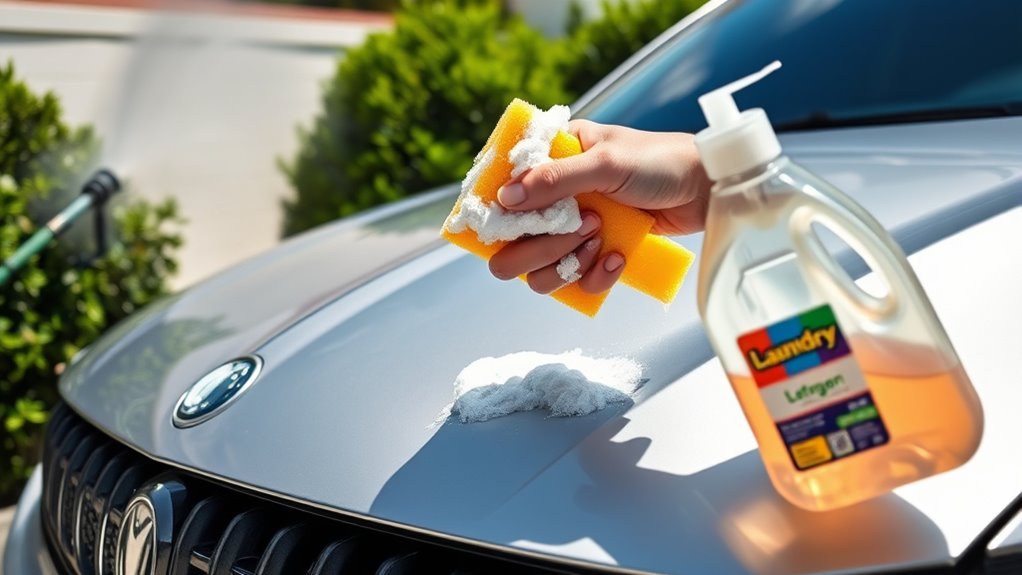
Start by choosing a gentle, eco-friendly detergent without harsh chemicals, then dilute it with water—about one to two ounces per gallon.
Rinse your vehicle thoroughly before applying the solution with a soft sponge, and dry it quickly with a microfiber cloth.
If you want to learn the full process and tips, keep exploring for detailed guidance.
Key Takeaways
- Use a gentle, eco-friendly laundry detergent diluted at a ratio of 1-2 ounces per gallon of water.
- Rinse the car thoroughly before applying the detergent solution to remove loose dirt.
- Apply the diluted detergent with a soft sponge in circular motions, then rinse completely from top to bottom.
- Dry the car promptly with a microfiber towel to prevent water spots and streaks.
- Avoid using laundry detergent frequently; opt for car-specific products for regular washing.
Can Laundry Detergent Safely Replace Car Wash Soap?
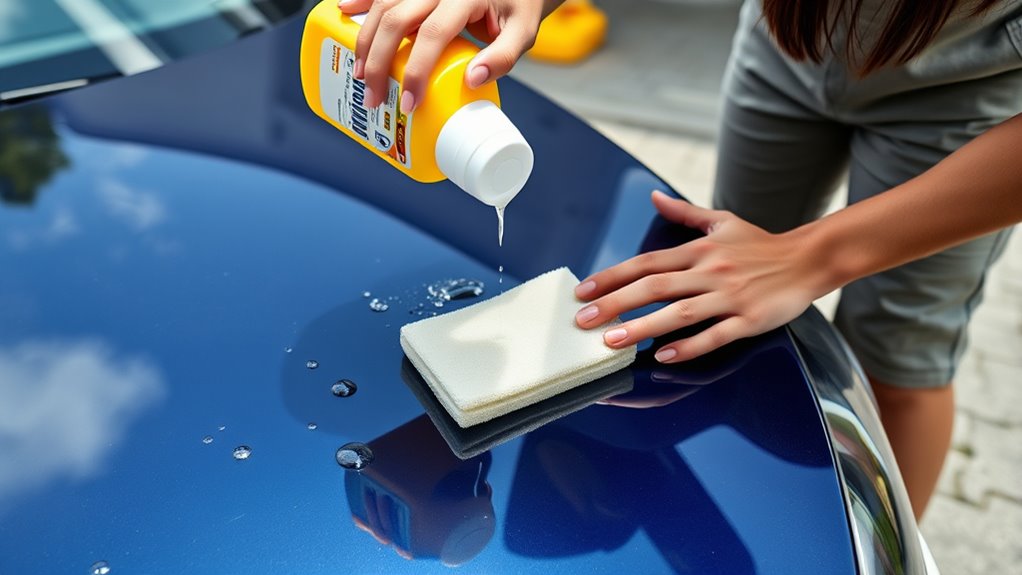
Is laundry detergent a safe alternative to car wash soap? Not really. While laundry detergent can remove dirt, it’s harsh on your car’s paint and can strip away surface protection.
Car paint is designed to be gentle and durable, but laundry detergent’s strong chemicals can cause dullness or even scratches over time. It’s formulated for fabrics, not automotive finishes.
Using it regularly may compromise the clear coat and make your car more vulnerable to damage from UV rays, dirt, and road grime. If you want to keep your car looking its best, stick to products specifically made for automotive surfaces.
These are designed to clean effectively without harming the paint or stripping away protective layers. In short, laundry detergent isn’t a safe or wise replacement for proper car wash soap if you want to preserve your car’s appearance and surface integrity.
How to Choose a Safe Laundry Detergent for Your Car
When you’re picking out a laundry detergent for your car, it’s a good idea to go for formulas that don’t have harsh chemicals or bleaching agents. These kinds of ingredients can actually harm your car’s paint, and nobody wants that! Instead, look for gentle, eco-friendly options that are safe for your vehicle’s finish.
And don’t forget — always give the labels a good read before you buy. Making sure the product is suitable for automotive use will help keep your car looking its best without any surprises.
Check for Harsh Chemicals
Since harsh chemicals can damage your car’s paint and clear coat, it’s important to check the ingredients in your laundry detergent before using it. Look for formulas that don’t contain strong surfactants, bleach, or solvents that might harm your car’s surface.
These chemicals can cause paint fading, staining, or even corrosion over time. Also, think about the environmental impact of the detergent. Choose eco-friendly options with biodegradable ingredients and avoid phosphates or artificial fragrances.
Opt for Gentle Formulas
To guarantee your car’s paint stays protected, you should look for laundry detergents labeled as gentle or mild. These formulas contain gentle ingredients that won’t strip away your car’s clear coat or cause damage over time.
Check the label for a balanced pH level, ideally close to neutral (around 7), to prevent corrosion or dullness. Avoid harsh detergents with strong chemicals, as they can compromise your paint’s integrity.
Opting for gentle formulas guarantees you clean effectively without risking scratches or fading. Remember, a product designed for delicate fabrics often works better for car washing because it’s formulated to be mild yet effective.
Choosing the right detergent helps maintain your car’s shine and keeps the paint looking fresh longer.
Avoid Bleaching Agents
Bleaching agents in laundry detergents can cause serious damage to your car’s paint and clear coat. These risks can lead to color fading, making your vehicle look dull and uneven.
To prevent this, always check labels and avoid detergents with bleach or optical brighteners. Use a safe, gentle formula designed for delicate fabrics, which is less likely to harm your car’s surface.
Preparing Your Car and Workspace for Washing
Before you start washing your car, take a few minutes to prep your vehicle and workspace. First, remove any personal items from inside the car so you can easily access the surfaces you want to clean. This also helps prevent damage or stains from soap or detergent residue.
Next, gather all your supplies like a bucket, sponge, and towels, and make sure the area is clutter-free. A tidy workspace makes the job easier and safer, reducing the chance of accidents or missed spots.
Protect nearby surfaces, plants, or electrical outlets from splashes by setting up barriers or moving things away. Check your water supply and try to park in a shaded spot if possible.
Getting everything ready beforehand keeps the mess to a minimum and makes washing your car smoother and more effective.
How to Dilute Laundry Detergent for Car Cleaning
Diluting laundry detergent properly is key to cleaning your car safely without damaging the paint or trim. Start with the right dilution ratios—usually about one to two ounces of laundry detergent per gallon of water.
This ratio makes sure the detergent is strong enough to get rid of dirt but not so concentrated that it harms your vehicle’s surface. When mixing, pour the detergent into a bucket first, then slowly add water while stirring gently to avoid too many suds.
Use consistent mixing techniques to ensure the solution is evenly diluted, which helps prevent streaks or residue. Always check the manufacturer’s recommendations on the detergent packaging if available.
Proper dilution not only protects your car’s finish but also makes your washing process more effective and efficient. Remember, careful mixing is the key to creating a balanced cleaning solution that’s safe for your vehicle.
Step-By-Step: Washing Your Car With Laundry Detergent
Sure! Here’s a more conversational version of your instructions:
First off, you’ll want to prepare a cleaning solution. Mix a small amount of laundry detergent with water—just enough to get a good soapy mix. Then, gently apply this mixture all over your car, making sure to cover every surface. Once everything’s nicely coated, give your car a good rinse to wash away the soap. Finally, dry it off thoroughly to keep those pesky spots and streaks from forming. And there you go—your car should be sparkling clean!
Preparing the Cleaning Solution
Creating an effective cleaning solution starts with mixing the right amount of laundry detergent with water. Using the correct ratios helps you get the best cleaning results without wasting soap or risking damage.
Typically, about one to two tablespoons of detergent work well for a bucket of water. Adjust the amount based on how dirty your car is.
Here’s a handy guide:
| Car Dirt Level | Detergent Amount | Water Volume |
|---|---|---|
| Light dirt | 1 tbsp | 1 gallon |
| Moderate dirt | 2 tbsp | 1 gallon |
| Heavy dirt | 3 tbsp | 1 gallon |
| Streaks or grime | 2 tbsp + rinse | 1 gallon |
| General cleaning | 1-2 tbsp | 1 gallon |
This table helps you customize your solution for the best cleaning results.
Applying the Detergent Properly
Before you start applying the detergent, make sure your car is rinsed off with water to remove loose dirt and debris. Proper detergent application techniques are key for effective cleaning.
Use a soft sponge or cloth to spread the detergent mixture evenly across the car’s surface, being careful around delicate areas like the trim. Work in sections to keep things manageable and prevent the detergent from drying too quickly.
Remember to apply the detergent with gentle, circular motions to lift dirt without scratching the paint. Keep the solution wet on the surface for a few minutes to loosen grime.
Use a moderate amount of detergent—too much can cause streaks or residue. Following these steps will help you get a thorough clean while protecting your car’s finish.
Rinsing and Drying Effectively
Once you’ve evenly applied the detergent and worked it into the car’s surface, the next step is thorough rinsing. Use clean, warm water if possible to remove all soap residue because warm water helps dissolve leftover detergent more effectively.
Rinse from the top down, making sure to wash away dirt and suds completely. Pay extra attention to crevices and hard-to-reach areas to ensure nothing gets missed.
After rinsing, dry your car promptly with proper techniques. Use a microfiber towel or chamois to prevent water spots, starting from the top and working downward.
Pat or gently wipe the surface, avoiding harsh rubbing that could scratch the paint. Proper rinsing and drying will leave your car spotless, shiny, and protected against water spots or streaks.
Proper Rinsing and Drying to Prevent Water Spots
To prevent water spots from forming on your car, it’s essential to rinse thoroughly and dry it quickly after washing. Proper rinsing removes residual detergent and dirt, while prompt drying helps avoid mineral deposits.
Use spot prevention techniques like rinsing from the top down to prevent streaks and water spots. Choose the right drying tools, such as microfiber towels or chamois, to absorb water efficiently without scratching the paint.
- Use a clean, soft microfiber cloth for drying
- Employ a spray bottle with distilled water for spot prevention if needed
- Dry in a shaded area to prevent rapid evaporation and streaks
These steps ensure water evaporates smoothly, reducing water spots and leaving a shiny finish. Quick, thorough rinsing combined with careful drying is key to maintaining your car’s appearance and preventing lasting marks from mineral deposits or soap residue.
Common Mistakes When Using Laundry Detergent on Your Car
Are you aware of the common mistakes people make when using laundry detergent on their cars? One major mistake is not rinsing thoroughly, which leaves detergent residues that can attract dirt and cause streaks. These residues can also harm your car’s paint protection over time, making the paint look dull or even damaged.
Another mistake is using too much detergent, thinking it will clean better. But excess detergent worsens residues and makes rinsing more difficult. Plus, some forget that laundry detergent isn’t designed for car finishes, increasing the risk of stripping wax or paint sealants.
Applying laundry detergent in direct sunlight can cause it to dry quickly, leaving spots or residues. Finally, neglecting to test a small area first might lead to unintended paint damage. To avoid these issues, always rinse thoroughly, use the correct amount, and remember that laundry detergent isn’t a substitute for proper car wash products.
How Often Can You Use Laundry Detergent for Car Washing?
How often you can safely use laundry detergent to wash your car depends on the strength of the detergent and your vehicle’s paint condition. Following proper frequency guidelines helps prevent damage and minimizes detergent residues that can harm your paint over time.
Generally, washing your car every two weeks is okay if you’re using a mild detergent. Washing more often might lead to buildup of residues, which can dull the finish and cause paint deterioration.
Use a gentle, diluted solution to reduce harsh effects and leftover detergent. Regularly check your vehicle’s paint for dullness or damage, and adjust how often you wash accordingly.
Avoid over-washing, especially if your car isn’t very dirty, to help preserve the protective layer on the paint.
Affordable Alternatives to Laundry Detergent for Car Cleaning
You don’t always have to spend a lot to get your car clean. Sometimes, the best solutions are right in your own home. Things like baking soda and vinegar can do a great job at removing dirt and grime without costing a fortune.
Plus, they’re eco-friendly, so you’re not just saving money—you’re also helping the environment. Using these household items makes washing your car simple, affordable, and better for the planet.
Household Items as Cleaners
Many household items can serve as affordable and effective alternatives to commercial car cleaning products, making it easier to maintain your vehicle without extra expenses. Using eco-friendly cleaners and household hacks can help you clean your car efficiently while saving money.
For example, vinegar is excellent for removing grime and water spots, and baking soda can tackle stubborn stains and odors. Dish soap, when diluted properly, works well for cleaning the exterior without damaging the paint.
These household items are safe, readily available, and eco-friendly options that can be incorporated into your car cleaning routine. By leveraging everyday household hacks, you can keep your vehicle spotless without relying on costly or harsh chemicals.
Eco-Friendly and Budget-Friendly
When looking for eco-friendly and budget-friendly options to clean your car, laundry detergent can be a surprising yet effective choice. It offers eco benefits by reducing reliance on harsh chemicals and plastic bottles, helping you protect the environment. Plus, it’s cost-effective since you likely already have it at home, saving you money compared to specialized car cleaning products.
Laundry detergent’s gentle cleaning power can tackle dirt and grime without damaging your car’s paint or the environment. Just be sure to dilute it properly to avoid residue or damage. Using laundry detergent in this way keeps your car clean while supporting your efforts to save money and reduce waste. It’s a smart, sustainable cleaning solution.
What to Do If Your Car Gets Scratched or Damaged During Washing
If your car gets scratched or damaged during washing, quick action can help minimize the damage and stop it from getting worse. First, check how deep the scratch is—light scratches might buff out, but deeper ones may need professional repair.
To protect your paint, consider applying a paint protection product or wax to prevent future scratches. Avoid harsh scrubbing motions, as they can make the scratch worse.
Use a scratch removal kit or polishing compound to carefully buff out minor scratches. For deep scratches or damage that reaches the primer or metal, it’s best to schedule a professional repair.
Regularly applying paint protection coatings can help reduce the risk of future scratches and keep your car looking great. Taking prompt, proper steps can save you money and keep your vehicle looking its best.
Always focus on gentle cleaning and proper maintenance to preserve your car’s finish.
Frequently Asked Questions
Will Laundry Detergent Damage My Car’s Paint Over Time?
Using laundry detergent on your car can damage the paint over time because it’s not designed for automotive surfaces. It might strip away the paint protection and leave behind detergent residue that causes dullness or even corrosion.
If you decide to use it, do so sparingly and make sure to rinse thoroughly. For the best results, use a proper car wash soap that’s formulated to protect your paint and avoid long-term damage.
Can Laundry Detergent Remove Stubborn Car Stains Effectively?
Laundry detergent can sometimes remove stubborn car stains effectively, especially if you use the right stain removal techniques. Its effectiveness depends on the type of stain and how long it’s been on your car.
For the best results, dilute the detergent properly, scrub gently, and let it sit for a few minutes before rinsing. Keep in mind, though, that specialized car cleaning products may work better for tough stains.
Does Laundry Detergent Harm the Car’s Clear Coat or Wax?
You might worry laundry detergent could harm your car’s clear coat or wax, but with proper clear coat care, it’s unlikely. Laundry detergent can strip wax or damage the clear coat if used repeatedly or aggressively.
To avoid this, consider detergent alternatives designed for cars, like automotive soap, which are gentler and help preserve your car’s finish. Always rinse thoroughly and use mild products to keep your car’s shine and protection intact.
Is Laundry Detergent Suitable for Cleaning the Interior of a Car?
Laundry detergent isn’t suitable for interior cleaning because it can damage fabric protection and upholstery. It might strip away protective coatings, which can cause fabrics to weaken or discolor over time.
Instead, use a cleaner specifically designed for car interiors. These are gentle and lift dirt while maintaining fabric protection.
This way, your car’s interior stays looking fresh and is protected from unnecessary damage. It helps keep everything clean and well-maintained in the long run.
How Does Laundry Detergent Compare to Commercial Car Wash Products?
Laundry detergent isn’t as effective as commercial car wash products, which are designed specifically for vehicle surfaces. While it might seem cheaper at first, it often isn’t the best choice.
Laundry detergent can contain harsh chemicals that might harm the environment and aren’t made for car paint or delicate finishes. Commercial products tend to be safer, more efficient, and eco-friendly.
Conclusion
Remember, while laundry detergent might seem like a quick fix, it’s like trying to fit a square peg in a round hole—your car deserves proper care. If used carefully and sparingly, it can clean your vehicle without harm.
But don’t forget, your car’s paint is its soul. Treat it gently, like a delicate flower, and it’ll shine brighter than the stars. After all, your car’s beauty is worth the right touch.
Using laundry detergent on your car isn’t ideal, but with caution, it can work in a pinch. Just remember to rinse thoroughly and avoid scrubbing too hard.
If you want your car to stay looking its best, stick to products made for automotive cleaning. Laundry detergent should be a last resort, not a regular solution.