What Are the Safety Risks of Touchless Car Washes?
If you’re tired of worrying about scratches or damage after a car wash, you’re not alone. Many car owners are curious about the safety of touchless car washes and whether they’re truly gentle on your vehicle.
While they offer a convenient way to clean your car without touching it, there are some safety risks you should be aware of.
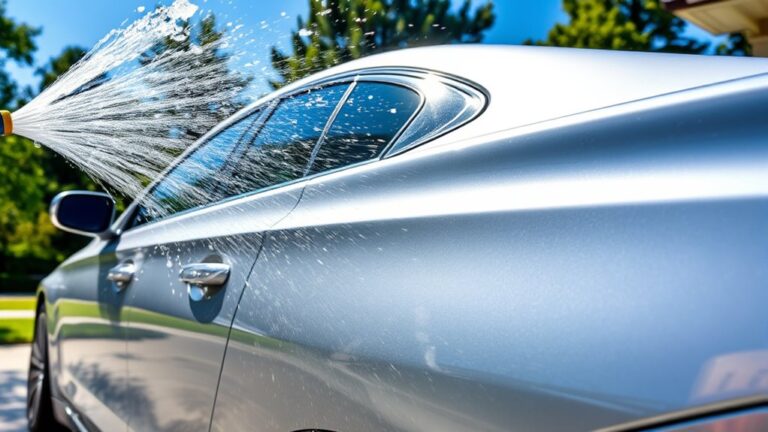
Touchless car washes are generally safe, but they do pose some risks if not used properly. High-pressure water jets can potentially damage paint or delicate parts, especially if improperly aimed or lingering too long.
Mechanical issues like sensor malfunctions or worn seals can lead to water intrusion, while harsh chemicals might strip wax or dull your finish.
Regular maintenance and careful use help prevent such problems—if you’re interested, there’s more to know about how to keep your vehicle safe during these washes.
Key Takeaways
- High-pressure water jets can damage your car’s paint or delicate parts if they’re misused or aimed poorly.
- Some chemicals used in touchless washes might strip away wax or harm the paint over time, leading to potential long-term damage.
- Mechanical failures or sensor problems can cause water to leak inside or leave your car not fully cleaned.
- Regular wear and tear on the equipment can increase the chances of malfunctions and water getting where it shouldn’t.
- Skipping pre-wash checks might mean your car gets washed over existing damage or loose parts, making things worse.
What Are Touchless Car Washes and How Do They Work?
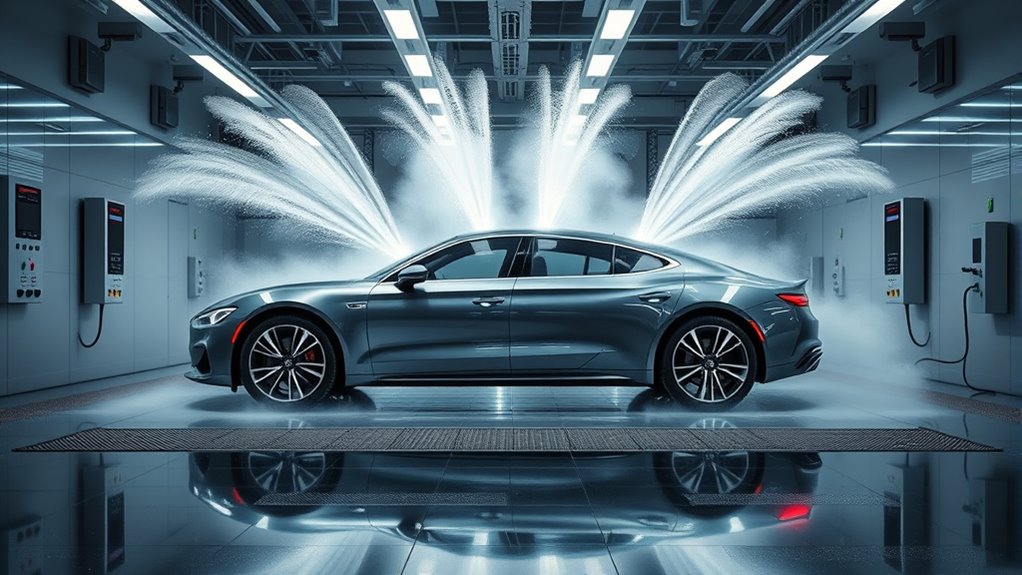
Touchless car washes are a popular choice for those looking for a quick and easy way to clean their vehicle without using brushes or scrubbers. They use touchless technology, which involves high-pressure water jets and special detergents to get your car spotless.
Instead of rubbing against the paint, the system sprays water and cleaning agents to loosen dirt and grime. After applying the cleaning solution, powerful jets rinse away debris without any contact with the car’s surface. Some touchless washes also include drying features to finish the job.
You benefit from avoiding scratches or swirl marks that brushes can cause, making it a gentle option for your vehicle’s finish. These systems are mostly automated, so you just drive in, choose your wash, and let the machine do the work.
While they’re praised for being convenient and safe, it’s good to understand how touchless technology affects cleaning effectiveness and what risks might be involved.
Are High-Pressure Water Jets Safe for Your Vehicle?
However, if the pressure is too high or the nozzle isn’t used properly, it can damage your vehicle’s paint or delicate parts. Your vehicle’s safety depends on proper maintenance and good-quality equipment.
High pressure or improper use can damage your car’s paint and delicate parts.
Most touchless car washes set their jets to safe levels, but it’s still a good idea to stay cautious. Avoid lingering in one spot too long or aiming the jet at sensitive areas like seals or vents.
When used correctly, high-pressure water jets are a safe way to clean your vehicle. They give a thorough wash while helping preserve your car’s exterior.
Always choose reputable places that keep their equipment in good shape. That way, you can minimize risks and protect your vehicle’s integrity.
Do Automated Sensors Sometimes Make Mistakes?
Automated sensors can sometimes make mistakes, especially if they malfunction or encounter errors. This might cause the system to misjudge your vehicle’s size or shape.
Plus, environmental factors like dirt, rain, or shadows can interfere with how accurately the sensors work. Because of these issues, there’s a chance of unintended contact or incomplete cleaning, which can raise safety concerns.
Sensor Malfunctions and Errors
While sensors in touchless car washes are designed to detect your vehicle accurately, they don’t always get it right. Sensor accuracy can sometimes be compromised by malfunctions or technical glitches, leading to errors in vehicle detection.
When sensors malfunction, they may misjudge the size or position of your car, causing missed spots or improper cleaning. These errors can result in scratches or damage if the system tries to operate incorrectly.
To minimize risks, operators rely on error prevention measures like regular maintenance and system checks. Despite these precautions, occasional sensor errors can still happen, so it’s important to stay attentive during the wash.
Recognizing these vulnerabilities helps you understand the potential safety risks associated with sensor malfunctions in touchless car washes.
Environmental Interference Effects
Environmental factors can significantly affect the accuracy of sensors in touchless car washes, sometimes causing errors. Bright sunlight, rain, snow, or dirt on sensors can interfere with their ability to detect your vehicle properly.
These issues can lead to incorrect positioning, missed spots, or unnecessary spraying, which might cause damage or leave the car partially uncleaned. False readings can also make the system use more water than needed, undermining water conservation efforts.
Sensors need clear signals and clean conditions to work well, but bad weather or debris can disrupt this process. To reduce risks, car washes should regularly maintain sensors and consider environmental conditions. This helps ensure safety, efficiency, and supports water-saving goals.
Are Harsh Chemicals in Touchless Washes Safe for Your Car?
You might be wondering if the chemicals in touchless washes are safe for your car’s surface. It’s a good question because some formulas do have harsh ingredients that can actually strip away wax or even cause damage to the paint if you use them too often.
The key is to understand what’s inside these products. Not all touchless washes are created equal, and some are formulated to be gentler on your vehicle. So, it’s a smart idea to check the ingredients or choose brands that are known for their car-friendly formulas to keep your car looking great in the long run.
Chemical Composition and Safety
Touchless car washes often use strong detergents and chemicals to get rid of dirt and grime effectively. But not all of these substances are safe for your vehicle’s finish.
Some chemicals can cause unintended reactions, which might harm your car’s paint or clear coat over time. It’s important to check if these products meet safety standards designed to protect your vehicle’s surface.
Here’s a quick overview:
| Chemical Type | Safety Considerations |
|---|---|
| Surfactants | Should be biodegradable and non-corrosive |
| pH Adjusters | Must be balanced to avoid damage |
| Solvents | Can strip wax if not carefully formulated |
| Preservatives | Ensure they don’t harm paint or plastics |
Always verify that the chemicals used follow safety standards to keep your car safe.
Potential Car Surface Damage
While many touchless car washes promote their use of strong chemicals to remove grime effectively, some of these substances can pose risks to your vehicle’s surface. Harsh chemicals may weaken your car paint over time, making it more vulnerable to damage.
If not properly rinsed, they can cause surface scratches or dull the finish, reducing your car’s overall shine. These chemicals might also strip away wax protection, leaving your vehicle unprotected against dirt and UV rays.
This can compromise the finish’s integrity and lead to potential long-term damage. To safeguard your car, always check the chemical composition and consider regular waxing to maintain surface resilience.
Proper maintenance helps preserve your vehicle’s appearance and prevents costly repairs.
How Do Mechanical Failures Happen in Touchless Car Wash Equipment?
Mechanical failures in touchless car wash equipment often come from wear and tear on parts like sensors, pumps, and control systems. Over time, these components can wear out or become misaligned, leading to breakdowns.
Sensors that detect your vehicle’s position or water pressure can get dirty or damaged, which can cause the system to operate improperly or not activate at all. Pumps might experience fatigue or clogging if maintenance is skipped, resulting in inconsistent water flow.
Dirty or damaged sensors and clogged pumps can cause system malfunctions and inconsistent water flow.
Control systems can also fail because of outdated software or electrical problems. Regular upgrades and inspections help catch worn parts early, preventing major issues before they happen.
Without proper maintenance, the chances of mechanical failure go up, leading to costly repairs and safety risks. Staying proactive with equipment upgrades keeps everything running smoothly, reducing downtime and ensuring a safe, efficient wash.
Can Water Damage or Leakage Occur During a Touchless Wash?
Water can sometimes leak or cause damage during a touchless wash, especially if something isn’t working quite right with the equipment. For example, faulty seals or broken parts can allow water to get into places it shouldn’t, which might lead to problems.
It’s a good idea to keep an eye on the equipment and make sure everything’s properly maintained. That way, you can help prevent any unexpected leaks or damage while the wash is in progress.
Potential for Water Intrusion
Although touchless car washes are designed to minimize direct contact with your vehicle, water intrusion can still happen if equipment malfunctions or seals wear out over time. Faulty nozzles or degraded seals might let water seep into areas that shouldn’t be exposed, increasing the risk of water damage.
Regular maintenance and inspections are key to preventing intrusion. Keeping seals and components in good shape helps ensure they stay intact. If water gets into sensitive areas, it can lead to corrosion or electrical problems down the line.
While the chance of water intrusion is low, being aware of potential issues can help you choose reputable facilities that prioritize proper equipment upkeep. Checking your vehicle afterward for any signs of water entry can catch problems early and prevent more serious damage.
Leakage From Equipment Failures
While touchless car washes are designed to prevent direct contact with your vehicle, equipment failures can still lead to leaks and water damage. If the wash system’s leak detection sensors malfunction or aren’t properly maintained, water may escape from hoses, valves, or pumps.
This leakage can cause water to seep into electrical components or structural areas, risking damage. Regular equipment maintenance is key to spotting early signs of failure, like worn seals or loose fittings, which could lead to leaks.
When equipment fails, water might drip onto surrounding surfaces or into hidden spaces, potentially causing mold or corrosion over time. Ensuring proper maintenance and effective leak detection helps minimize these risks.
It keeps your vehicle and the facility safe from water-related issues during a touchless wash.
Can Touchless Washes Damage Sensitive Vehicle Parts?
Touchless car washes are generally gentle, but if you have sensitive vehicle parts like sensors, cameras, or paint finishes, there’s a chance they could be damaged. These delicate components can sometimes be affected by the high-pressure water jets and cleaning agents used during the wash.
An impact analysis reveals that while touchless systems avoid brushes that cause scratches, they might still pose risks to delicate parts. For example, sensors or camera lenses could be misaligned or scratched if not properly shielded.
Paint finishes, though typically safe from abrasions, can still suffer from harsh chemicals or improper water pressure. To minimize risks, verify the facility uses appropriate cleaning solutions and proper water pressure levels.
Regular inspections of sensitive parts after washing can help catch any damage early. Overall, understanding these factors helps you choose safer touchless options for your vehicle’s delicate components.
Safety Tips to Follow Before Using a Touchless Car Wash
Before heading into a touchless car wash, it’s essential to inspect your vehicle for any existing damage or loose parts. High water pressure can worsen cracks or loosen parts, so check for chips or dents beforehand.
Make sure your vehicle’s antenna, side mirrors, and trim are secure, as they can be vulnerable during wash cycles. Also, review your wash frequency; frequent washes can wear down paint or seals over time, especially if water pressure is too strong.
If your car has sensitive areas or recent repairs, consider choosing less aggressive wash settings or asking the staff for advice. Removing loose items like antennas or exterior accessories can help prevent damage.
Taking these precautions helps minimize safety risks and prevents unnecessary damage during the wash. It’s also a good idea to read the wash instructions and warnings, so you follow the recommended procedures for your specific vehicle.
How Maintenance and Quality Control Keep Touchless Washes Safe
Regular maintenance and rigorous quality control are key to ensuring touchless car washes operate safely and effectively. Following strict maintenance protocols helps keep equipment in top shape, preventing malfunctions that could damage your vehicle.
Regular inspections of the wash system help spot worn or faulty parts before they cause problems. Quality checks are essential to make sure all components, like spray nozzles and sensors, are working properly.
Well-maintained equipment lowers the risk of accidents, such as misaligned sprayers or leaks, which could compromise safety. Consistent checks also ensure cleaning solutions and water pressure stay within safe ranges.
Signs of a Well-Maintained Touchless Car Wash
A well-maintained touchless car wash runs smoothly and efficiently, making it easy to notice its good condition. One key sign is regular cleaning, which keeps equipment free of grime and debris that could cause damage or safety issues.
Staff also perform routine maintenance checks, ensuring all parts, sensors, and nozzles work properly. You should see minimal downtime or breakdowns, showing the staff takes proactive care of the facility.
The wash bays should stay clean, with no water pooling or streaks. This reflects good cleaning habits and ongoing maintenance. Proper calibration of washing arms and sensors is another sign, ensuring the process is gentle and effective without risking vehicle damage.
Frequently Asked Questions
Are There Any Health Risks Associated With Chemicals Used in Touchless Car Washes?
Yes, there are health risks associated with chemicals used in touchless car washes. You might be exposed to chemical fumes that can cause respiratory issues or skin irritation if you’re not careful.
Chemical exposure during or after washing can affect your breathing, especially if you have allergies or asthma. To stay safe, make sure there’s proper ventilation and wash your hands thoroughly afterward to minimize any potential health risks.
Can Touchless Car Washes Cause Damage to Your Vehicle’s Paint Over Time?
Touchless car washes can cause paint degradation over time if the cleaning agents are too harsh or if debris isn’t fully removed beforehand.
The long-term effects include paint fading, dullness, or even peeling.
To minimize damage, make sure your vehicle is thoroughly rinsed before washing.
Also, try to avoid using aggressive chemicals too often.
Regular maintenance and gentle washing help keep your car’s paint looking its best.
This way, your vehicle stays in great shape for years to come.
What Are the Risks of Water Runoff Pollution From Touchless Wash Facilities?
You might be surprised, but water runoff pollution from touchless car washes can pose serious risks. If runoff isn’t managed properly, contaminated water can seep into local water sources, leading to water contamination.
This runoff often contains chemicals, detergents, and pollutants that can harm aquatic life. To protect the environment, make sure the facility follows strict runoff management practices to prevent harmful pollutants from escaping into our waterways.
How Do Touchless Washes Impact the Environment Compared to Traditional Washes?
Touchless washes are generally more eco-friendly than traditional washes because they use less water, supporting water conservation efforts. They also reduce the need for harsh chemicals and minimize runoff pollution, making them safer for the environment.
Are There Safety Concerns for Workers Operating or Maintaining Touchless Car Wash Equipment?
You should be aware that there are safety concerns for workers operating or maintaining touchless car wash equipment. Proper training is key to preventing accidents, especially when dealing with high-pressure systems and cleaning chemicals.
Regular maintenance of the equipment helps avoid malfunctions that could lead to injuries. Following safety protocols and wearing protective gear keeps workers safe while handling machinery.
This reduces the risk of slips, electrical hazards, or chemical exposure, making sure everyone stays safe on the job.
Conclusion
Just like a well-tuned orchestra produces beautiful music, a safe touchless car wash relies on proper maintenance and precise sensors. I once watched a car glide through smoothly, thanks to a facility that prioritized safety checks. It reminded me that even small oversights can cause damage.
By staying informed and vigilant, you help protect your vehicle’s safety and extend its life. When it comes to touchless washes, a little care keeps everything running smoothly. Being aware of the potential safety risks is key to enjoying a safe and effective touchless car wash experience.