How Much Does It Cost to Start a Car Wash?
Starting a car wash is a dream for many, but figuring out the costs can feel overwhelming. If you’re thinking about jumping into this business, you’re not alone. Many people struggle with understanding the initial investment needed to get started.
Starting a car wash costs between $50,000 and $250,000, depending on location, size, and equipment quality. You’ll need to budget for land, high-quality equipment, permits, and operational essentials like water and utilities.
Location plays a big role. Pricy spots attract more customers but raise costs.
Don’t forget ongoing expenses like maintenance, supplies, and labor.
Want to get a clearer picture? Keep going to investigate how each factor influences your total investment.
Key Takeaways
- Startup costs include equipment, land, permits, insurance, and initial water and utility setup.
- The location you choose affects land costs, visibility, customer traffic, and zoning permit expenses.
- Essential equipment like pressure washers and water reclamation systems need a significant upfront investment.
- Ongoing expenses cover utilities, supplies, equipment maintenance, employee wages, and insurance.
- Financing options and smart budgeting can help manage high initial costs and keep your operations sustainable.
What Are the Startup Costs for a Basic Car Wash?
Are you wondering what it really takes financially to launch a basic car wash? Your primary expenses include labor costs and water usage.
Labor costs cover paying employees to operate equipment, clean vehicles, and maintain the facility. For a small setup, you might need one or two staff members, so budget accordingly.
Water usage is another significant expense, especially since washing cars requires a steady supply of water. You’ll need to invest in efficient water systems or recycling equipment to manage costs effectively.
The amount you spend on water depends on the size of your operation and local water rates. Keep in mind that these ongoing expenses influence your overall startup budget.
Carefully estimating labor hours and water consumption helps you plan more accurately. While these costs are essential, they’re just part of the initial investment needed to get your basic car wash up and running smoothly.
What Factors Affect Your Car Wash Startup Expenses?
When you’re thinking about starting a car wash, one of the biggest things that can affect your initial expenses is where you decide to set up shop. Land prices can really vary depending on the location, so it’s important to factor that into your budget.
Then there’s the equipment — the quality of your car wash gear matters a lot. Higher-quality equipment usually costs more upfront, but it can also mean fewer repairs and less maintenance down the line. Keep in mind, maintaining that equipment can add to your ongoing expenses too.
Getting a good handle on these factors will help you put together a realistic budget and set yourself up for a successful launch.
Location and Land Costs
The cost of land and location is a big factor in your car wash startup costs. Knowing where to set up shop helps you find areas with high visibility and foot traffic, which are crucial for drawing in customers.
Prime spots near busy streets or shopping centers often come with higher land prices, but they can also boost your earnings. On the other hand, less busy areas might be cheaper but could limit your customer reach.
Land prices vary a lot depending on the area, size, and local real estate trends. When planning your budget, remember to include not just the purchase or lease price but also any zoning or permit fees related to land acquisition.
Finding the right balance between affordability and visibility is key to setting your business up for long-term success.
Equipment and Maintenance Expenses
These systems not only save money but also promote eco-friendly practices, which can attract more customers. You might also consider equipment leasing to reduce upfront costs and keep your cash flow flexible.
Regular maintenance is key to preventing breakdowns, extending your equipment’s lifespan, and maintaining good service quality. Keep in mind that high-quality equipment often needs fewer repairs and performs better.
Balancing the cost of equipment with its durability and efficiency is essential for managing your expenses effectively.
How Much Do You Need to Spend on Equipment?
When you’re figuring out your budget for a car wash, it’s important to think about the essential equipment you’ll need—things like wash bays, pumps, and drying systems. It’s all about finding that sweet spot between quality and cost. You want equipment that’s durable and reliable, but you also don’t want to break the bank right from the start.
And don’t forget, there are ongoing costs too. Maintenance is a big part of keeping everything running smoothly, so make sure to include those expenses in your plan. Having a clear idea of what to expect can help you make smarter decisions and manage your expenses more effectively in the long run.
Essential Equipment List
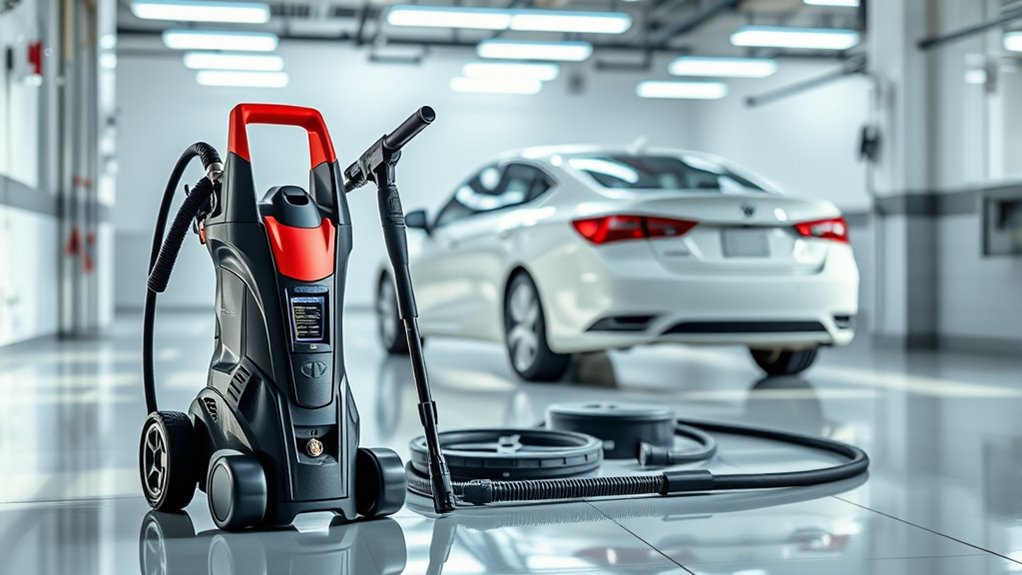
You’ll need to invest in several essential items to get your car wash up and running smoothly. Key equipment includes a high-quality pressure washer, water reclamation system, and reliable drying tools.
Eco-friendly options, like biodegradable soaps and energy-efficient pumps, can reduce environmental impact and operational costs. You’ll also need storage tanks, hoses, and cleaning brushes.
Budgeting wisely is vital; consider financing strategies to manage upfront costs and keep cash flow healthy. Don’t forget signage, safety gear, and payment systems to guarantee a professional setup.
Investing in durable, efficient equipment can save you money long-term, so prioritize quality alongside cost. Staying informed about eco-friendly options and flexible financing will help you build a successful, sustainable car wash business.
Quality vs. Cost
While it might be tempting to cut costs by choosing cheaper gear, investing in high-quality equipment often pays off in the long run. High-quality tools improve quality assurance, making sure your customers get a consistent, professional clean.
A thorough cost analysis can help you find the right balance between upfront expenses and future savings. Cheaper equipment may save money initially but can lead to frequent breakdowns, higher maintenance, and lower efficiency.
Consider this comparison:
| Feature | High-Quality Equipment | Budget Equipment |
|---|---|---|
| Durability | Longer lifespan | Shorter lifespan |
| Maintenance | Lower costs | Higher, frequent repairs |
| Efficiency | Faster, better results | Slower, lower quality |
| Customer Satisfaction | Higher | Lower |
Choosing wisely affects your long-term profitability and reputation.
Maintenance Expenses
Maintaining your equipment is key to keeping your car wash running smoothly and cost-effectively. Regular upkeep helps prevent costly breakdowns and extends the life of your machinery.
Be sure to allocate funds for routine inspections, cleaning, and minor repairs to keep everything operating efficiently. Neglecting maintenance can lead to higher costs, unexpected downtime, and unhappy customers.
To manage expenses well, create a maintenance schedule and track your costs carefully. Investing in quality parts and fixing issues promptly can save you money over time.
Proper maintenance not only boosts performance but also improves safety standards, helping to reduce liability. Consistent upkeep is essential for keeping your car wash profitable and reliable.
How Does Location Impact Your Car Wash Budget?
The location of your car wash plays a big role in shaping your overall budget because it directly impacts land costs, local competition, and customer accessibility. Conducting a demographic analysis helps you spot areas with lots of vehicle owners and people willing to pay for quality service.
Traffic patterns are just as important. They determine how many potential customers pass by each day and how easy it is for them to stop. A location with high visibility and steady traffic can justify higher land and rental costs but may also attract more customers.
On the other hand, choosing a less busy area might save you money on rent but could limit your customer flow, affecting your revenue. You’ll need to carefully balance these factors to make the most of your budget.
When evaluating potential sites, consider both the demographic makeup and traffic flow. This will help ensure your investment aligns with your business goals.
What Licenses, Permits, and Insurance Do You Need?
So, if you’re planning to run a car wash, the first thing you’ll want to do is get the right licenses and permits from your state and local authorities. It might seem like a lot of paperwork, but it’s super important to stay on the right side of the law.
And don’t forget about insurance! You’ll need to have the right coverage in place to protect your business, your employees, and your customers. Having all these pieces in place not only keeps you compliant but also helps you avoid any unexpected fines or liabilities later on.
Required State Licenses
Starting a car wash requires getting the right licenses and permits to operate legally in your state.
Your business structure, like an LLC, corporation, or sole proprietorship, influences which state licenses you’ll need.
Different states have their own requirements to ensure you’re following the rules. These might include a general business license, environmental permits, or special industry licenses.
Make sure to check with your state’s Department of Revenue or the equivalent agency to find out exactly what licenses are needed for your business.
Not having the proper licenses can lead to fines or even shutdowns, so it’s important to get this right.
Keep in mind that licensing costs vary depending on your state and the size of your business, so plan ahead to avoid surprises during startup.
Necessary Local Permits
After securing the necessary state licenses, you’ll need to focus on local permits to operate legally in your community. Local zoning laws decide where you can set up your car wash, so make sure your site complies with these rules.
Permit types can vary but often include building permits, environmental permits, and operational licenses. The application process involves submitting detailed plans and paying fees that differ by municipality.
You’ll also need to meet regulations related to water usage, waste disposal, and signage. Expect inspection requirements to verify your site’s safety and environmental standards.
Keep in mind that permits usually require renewal fees. Staying current with renewals is essential to avoid fines or shutdowns. Properly managing these permits ensures smooth, legal operation.
Essential Insurance Coverage
Securing the right insurance coverage is essential to protect your car wash business from potential risks and liabilities. Liability coverage shields you if someone gets injured or if you cause damage to a customer’s vehicle or property.
Property insurance safeguards your equipment, building, and supplies against theft, fire, or vandalism. These policies help you manage financial risks and ensure your business can keep running smoothly.
You might also need extra coverage, like workers’ compensation if you have employees. Be sure to research local requirements and talk to an insurance agent experienced in commercial policies.
Having solid liability coverage and property insurance not only protects your investment but also shows your customers you’re professional and reliable.
What Are the Initial Costs for Supplies and Consumables?
Initial costs for supplies and consumables can vary a lot depending on the size of your car wash and the services you want to offer. To keep your expenses manageable, focus on sourcing supplies efficiently and budgeting carefully for consumables.
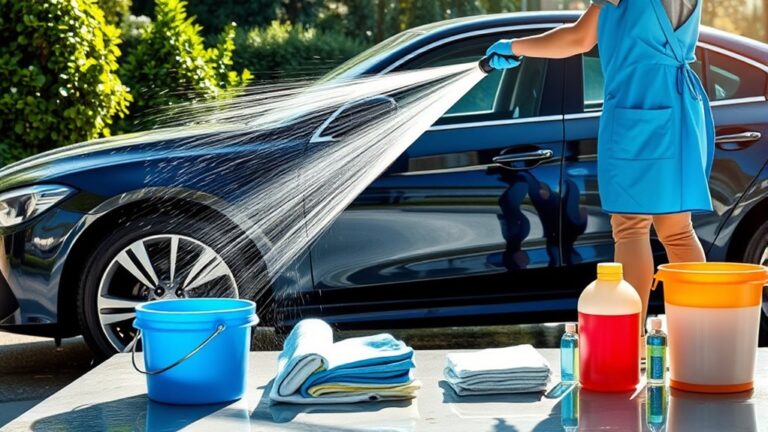
You’ll need basic items like cleaning solutions, towels, and brushes. Buying in bulk can help you save money and ensure you always have what you need on hand.
Key consumables include car wash soaps and waxes, microfiber towels, cleaning cloths, degreasers, and spot removers. Water treatment chemicals are also essential.
Make sure to budget carefully for these ongoing costs. Sourcing from reliable vendors can help you get quality products at competitive prices.
Keep an eye on your inventory and usage to avoid overspending. Staying organized with your consumable budget will help your initial investment stay sustainable as your business grows.
How Much Should You Budget for Marketing and Promotion?
How much should you set aside for marketing and promotion? It depends on your overall budget, but a good rule of thumb is to allocate about 5-10% of your startup costs.
Digital advertising is a cost-effective way to reach potential customers quickly. Consider investing in social media ads, Google Ads, or local online directories.
These platforms help you target specific demographics and generate immediate interest. Community engagement can also build your reputation and foster loyal customers.
Hosting local events, sponsoring community activities, or offering special promotions can boost your visibility without breaking the bank.
Depending on your market size, initial marketing expenses might range from a few hundred to several thousand dollars.
Remember, consistent promotion is key to attracting and keeping customers. Plan your budget accordingly.
Balancing digital advertising with community engagement creates a well-rounded marketing strategy that can jumpstart your car wash’s success.
What Are the Ongoing Operating Expenses for a Car Wash?
Once your car wash is up and running, ongoing expenses become a regular part of managing the business. These operating costs include utility expenses, supplies, maintenance, and employee wages. Utility expenses often make up a large portion of your budget, covering water, electricity, and sometimes gas. Keeping these costs in check is vital for profitability.
Other key operating costs include supplies like soap, wax, and towels, as well as equipment maintenance and repairs. Employee wages and benefits are also significant expenses to consider. Insurance and licensing fees round out the list of ongoing costs.
Monitoring these expenses helps you identify areas where you can cut costs or improve efficiency. Regular maintenance prevents costly repairs later on, and managing utility use can significantly reduce bills. Keeping a close eye on these costs ensures your business stays profitable and sustainable over the long term.
How Do You Calculate Your Total Startup Investment?
Calculating your total startup investment means adding up all the expenses needed to launch your car wash business from scratch. This step is key for securing funding and understanding your financial needs.
You’ll want to consider costs like equipment, permits, site prep, supplies, and marketing. These are the main categories that add up to your total investment.
Here’s a simple way to see your costs:
| Expense Category | Estimated Cost |
|---|---|
| Equipment & Supplies | $20,000 – $50,000 |
| Permits & Licenses | $1,000 – $5,000 |
| Site Preparation | $10,000 – $30,000 |
Knowing these figures helps you get a clear picture of what’s needed and secure the right funding. It also keeps surprises at bay and helps you bring your vision to life.
Careful calculation of your startup costs ensures you’re prepared to move forward confidently with your car wash business plan.
What Are Tips for Saving Money When Starting Your Car Wash?
Starting your car wash on a budget is all about smart planning and making strategic choices. Focus on cost-effective strategies and choose affordable equipment that still meets quality standards. Look into used machinery or leasing options to lower upfront costs.
Consider buying essential equipment from reputable suppliers that offer discounts or bundle deals. Opt for secondhand or refurbished equipment to save money. Prioritize multi-functional tools that save space and cut costs.
You can also DIY some tasks, like signage or basic maintenance, to reduce labor expenses. Shop around for suppliers with the best prices on cleaning products and supplies to keep costs down.
Frequently Asked Questions
What Financing Options Are Available for Starting a Car Wash?
You can explore different financing options like equipment leasing, which helps cut down on upfront costs. Franchise opportunities are also a good choice because they come with built-in support.
Investor partnerships are another option, providing capital in exchange for a share of the profits. Small business loans or bank loans are common ways to cover startup expenses.
Mixing these strategies can make starting your car wash more affordable and easier to get off the ground.
How Long Does It Take to Recoup the Initial Investment?
You’ll probably recoup your initial investment in a car wash in just 6 to 12 months, but it might take longer depending on things like location and customer flow.
Doing a thorough break-even analysis can help you figure out exactly when your revenue starts to cover your costs. With careful management, you can expect your profits to grow quickly.
In fact, you might see your investment turn into a lucrative venture in a year or less. It’s all about staying on top of your numbers and making smart decisions along the way.
What Are Common Hidden Costs in Opening a Car Wash?
Hidden costs in opening a car wash often include equipment maintenance, which can catch you off guard with unexpected repairs or replacements.
Location expenses, like permits and property fees, can add up quickly and sometimes surprise you. Utility costs, especially water and electricity, tend to be higher than you initially expect.
Staffing challenges, such as hiring and training reliable employees, also increase your expenses. Being aware of these hidden costs helps you plan better and avoid financial surprises early on.
How Can I Reduce Startup Costs Without Sacrificing Quality?
You can reduce startup costs by leasing equipment instead of buying, which lowers your upfront expenses. Focus on effective marketing strategies to attract customers early on.
Invest in staff training to guarantee quality service without overspending. Additionally, choose a strategic location that maximizes visibility and accessibility.
This helps you attract more clients without costly renovations. These steps help maintain quality while managing costs efficiently.
What Are the Best Practices for Managing Cash Flow Initially?
To manage your initial cash flow effectively, start with detailed cash flow forecasting to anticipate income and expenses. Regularly track expenses to see where you can cut costs without sacrificing quality.
Keep a close eye on receivables and payables to ensure steady cash flow. By staying proactive with forecasting and expense tracking, you’ll maintain healthy cash flow and help your car wash grow steadily without unexpected financial hiccups.
Conclusion
Starting a car wash costs vary, but with careful planning, you’ll turn the tide in your favor. Understanding expenses and making strategic choices can help you navigate this venture smoothly.
Remember, the journey of a thousand miles begins with a single step. So gear up, budget wisely, and steer confidently toward your entrepreneurial destination.
Your success depends on the road you choose to pave today, especially when it comes to starting a car wash.