10 Factors That Determine How Often You Should Wash Your Car
Many car owners know the hassle of figuring out how often to wash their vehicle. It’s easy to feel overwhelmed by all the factors that influence the right cleaning schedule. You’re not alone—many people struggle with keeping their cars looking fresh without overdoing it.
How often you should wash your car depends on several factors. Your driving habits, like frequent trips on busy roads or off-road adventures, mean more cleaning.
Climate, weather conditions, and local pollution also play a big role. If you park outdoors or drive in dusty or salty environments, you’ll need to wash more often.
Watch for signs like dirt buildup, dull paint, or bad odors to know when it’s time for a clean.
To learn more, keep exploring these key factors.
Key Takeaways
- How often you drive and the terrain you go over can cause dirt to build up faster. If you’re a regular driver or go off-road, you’ll probably need to wash your car more often.
- The weather plays a big role too. Rain, snow, and dust can make your car dirtier quicker, so you might need to clean it more often in such conditions.
- Where you park also matters. Cars parked outside are exposed to more dirt and elements, so they usually need more frequent washes than those kept indoors.
- The quality of your car’s paint and finish can influence how often you should clean it. Regular cleaning helps protect the paint and keeps your vehicle looking its best.
- If you notice dirt, streaks, or bad odors, it’s a sign your car needs a wash. Keeping it clean helps maintain its appearance and overall condition.
How Often Should You Wash Your Car? The Essential Guide
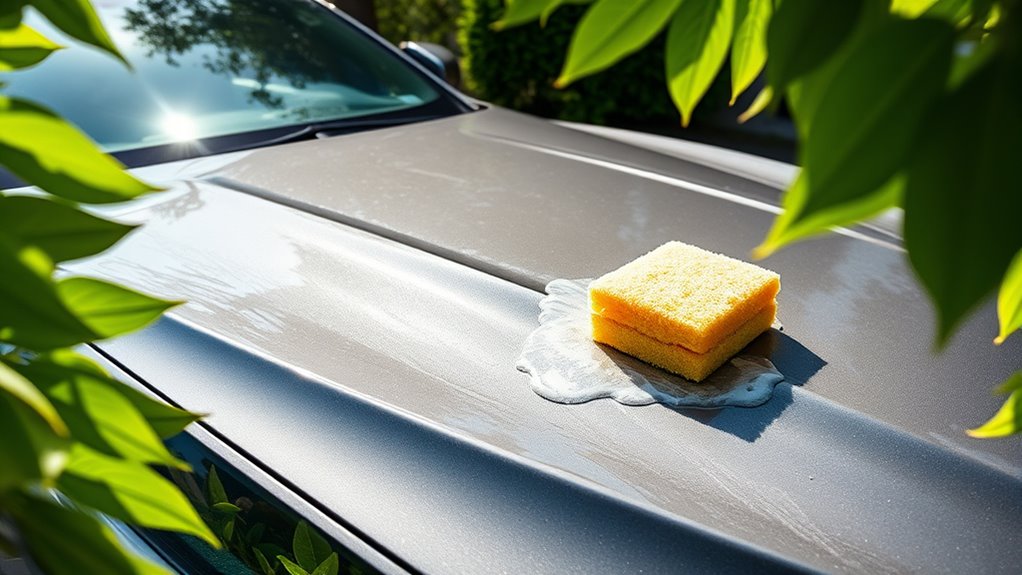
Have you ever wondered how often you should wash your car? Generally, washing weekly helps prevent dirt buildup, which can damage your paint. Regular cleaning keeps your car looking sharp and protects your investment.
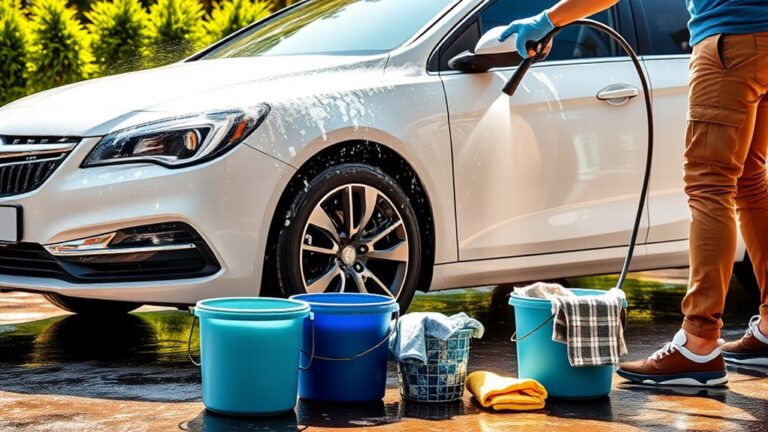
When washing, consider techniques like hand washing and using quality car wax to boost shine and add a protective layer. Applying car wax every few months helps keep your paint smooth and resistant to the elements.
How often you wash depends on your driving habits and environment, but sticking to a routine prevents grime from causing long-term damage. If you drive on salty roads or in dirty areas, you might need to wash more often.
Factors That Influence Your Car Washing Frequency
Your car’s cleaning schedule really depends on a few different things, like the kind of weather you deal with every day. If you’re driving through rough terrains or busy city streets a lot, you’ll probably want to wash it more often to get rid of all that dirt and grime.
Also, think about how often you actually use your car and your daily habits. The more you drive and the messier your surroundings, the more frequently you’ll need to give it a good clean. So, it’s all about paying attention to what’s happening around you and how you use your vehicle.
Climate and Weather Conditions
If you live somewhere with a lot of rain, you’ll probably need to wash your car more often to keep it clean and protected. Temperature swings matter too; quick changes can make dirt settle or even freeze, which might damage your car.
In hot, dry areas, you might not need to wash as often, but dust and pollen can still gather. Humid environments encourage mold and mildew, so those may require more frequent cleaning.
Paying attention to the weather helps you decide when it’s time to wash your car. It’s all about keeping it looking good and lasting longer.
Driving Environment and Terrain
Driving through rough terrains or off-road conditions exposes your car to more dirt, mud, and debris, which can quickly build up and cause damage if not cleaned regularly. Different terrain types like gravel, dirt, or muddy trails increase exposure to road debris that can scratch or corrode your vehicle’s surface.
To manage this, you should consider washing your car more often if you encounter:
- Unpaved or dusty roads — they leave a layer of grime and dust that can settle into paint and hard-to-reach spots.
- Mud and dirt trails — these need prompt cleaning to prevent buildup and corrosion.
- Areas with heavy road debris — such as after storms or in construction zones, which can cause scratches and damage over time.
Vehicle Usage and Habits
How often you wash your car really depends on how you use it and how often. If you drive on busy roads or in bad weather, dirt, grime, and road salts can build up fast. Regular washing is key to keeping your vehicle in good shape.
Your driving habits also matter. Short trips can cause more dirt to stick, while long drives usually keep your car cleaner. Using the right cleaning supplies and methods helps protect your paint and finish.
Check out this table to see how your usage affects how often you should wash your car:
| Usage Level | Dirt Accumulation | Recommended Washing Frequency |
|---|---|---|
| Light | Minimal | Monthly |
| Moderate | Moderate | Every 2-3 weeks |
| Heavy | Heavy | Weekly |
| Off-road | Muddy | After every trip |
| City Commute | Pollutants | Every 2 weeks |
How Climate Affects How Often You Should Wash Your Car
Your local weather plays a big role in how often you should wash your car. Weather can speed up dirt buildup, corrosion, and paint damage, affecting your maintenance routine.
In rainy or snowy areas, mud, salt, and road grime build up quickly, so you’ll need to wash your car more often. On the other hand, dry, dusty regions mean dust and pollen settle on your vehicle, also requiring regular cleaning.
Here are some factors to keep in mind:
- Snow and Ice: Salt used on roads can cause corrosion, so wash your car more frequently during winter months.
- Rainfall: Frequent rain can wash away dirt, reducing how often you need to clean, but heavy storms might leave mud and debris.
- Air Quality: In cities with pollution or high pollen levels, stuff can settle faster on your car, so more regular cleaning is helpful.
Knowing your area’s typical weather can help you plan your car care routine, keeping your vehicle clean and protected.
How Driving Habits Impact Your Car-Washing Schedule
Your daily driving habits really play a big role in how often you need to wash your car. If you’re out and about a lot, especially on rough or off-road terrains, dirt and grime tend to build up faster. It’s pretty normal—more driving, more dirt!
Getting to know how your routine affects your vehicle’s cleanliness can help you stay ahead of the dirt. That way, you can keep your car looking good and protect its paintwork without overdoing it on the washes.
Frequency of Daily Use
Ever wondered how your daily driving habits influence how often you should wash your car? Your daily routine directly impacts your vehicle’s cleanliness and overall maintenance.
If you drive often, especially in the city, your car gets exposed to more dirt, pollution, and road grime. To keep it in good shape, consider these factors:
- Mileage: The more you drive each day, the more dirt builds up, so you’ll need to wash more often.
- Driving Environment: Urban driving exposes your car to pollutants, while rural or off-road routes can bring mud and debris.
- Weather Conditions: Rain, snow, and salt from winter roads speed up corrosion, making regular washing even more important.
Knowing your habits helps you create a car-washing schedule that keeps your vehicle clean and well-maintained.
Off-Road Driving Effects
Driving off-road exposes your vehicle to a lot of dirt, mud, and debris that you don’t usually see on regular roads.
Mud buildup can damage your paint if you don’t clean it off quickly, which can lead to rust over time.
Off-road debris can also chip your paint and cause tire issues, especially after tough trail conditions.
Regular undercarriage cleaning is key to removing mud and preventing rust, which can shorten your vehicle’s lifespan.
Seasonal exposure to mud and dirt from wet or snowy weather speeds up wear and tear.
The more you go off-road, the more often you should wash your vehicle to remove mud and protect important parts.
Proper cleaning keeps your vehicle looking good and performing well, helping it stay reliable longer.
How Car Paint and Finish Affect Cleaning Needs
The type of car paint and finish really affects how often and how carefully you should clean your vehicle. High-quality paint with strong protection and durable finish helps prevent surface contaminants from causing damage.
Car paint and finish quality determine cleaning frequency and care needed to maintain protection and appearance.
For example, a clear coat acts like a shield against UV rays, stopping the color from fading and keeping your car looking good longer. To keep the finish in top shape, your routine should include:
- Washing regularly to remove dirt and pollutants that can harm the paint.
- Applying wax from time to time to boost protection and shine.
- Quickly dealing with surface contaminants to avoid scratches and damage.
Different finishes react differently to cleaning. Glossy surfaces might need gentle washing, while matte finishes often require special products. Understanding how your paint and finish behave helps you choose the right cleaning frequency and methods.
This way, you can keep your car looking great and preserve its value over time.
How Storage Conditions Change Your Car’s Washing Needs
Storage conditions have a big impact on how often you need to wash your car. If you park outside, your vehicle gets exposed to dirt, dust, bird droppings, and environmental pollutants that can harm the paint and cause rust. Because of this, you’ll need to wash it more often to get rid of these harmful contaminants.
Using a garage or covered carport helps protect your car from these elements. When stored indoors, you can usually wash it less often because it’s shielded from dirt and weather. But high humidity or dust inside can still cause grime to build up over time.
Regular washing in such indoor environments prevents dirt from sticking and keeps your paint in good shape. Knowing your storage situation helps you plan your wash schedule so your car stays clean and well-maintained. It also helps you avoid washing unnecessarily, saving time and resources.
How Local Pollution and Environment Play a Role
Local pollution can really make your car get dirty faster. So, if you’re living somewhere with a lot of airborne pollutants or smog, you’ll probably find yourself washing your car more often. The amount of dirt and grime that settles on your vehicle really depends on your environment.
And you know what? Opting for eco-friendly wash options is a smart move. Not only do they help keep your car clean, but they also do a better job of protecting the environment around you. It’s a win-win!
Pollution Levels Impact Dirt
Pollution levels in your area directly influence how quickly dirt and grime build up on your car. Areas with more pollution see faster dirt accumulation, so you might need to wash your car more often.
Sources like vehicle emissions, industrial activity, and construction dust all contribute to this. The dirt sticks more quickly in places with higher pollution, making regular cleaning important.
Think about these factors:
- Type of pollution sources: Industrial zones tend to produce more stubborn grime than suburban areas.
- Air quality: Poor air quality means more particles settle on your vehicle.
- Environmental conditions: Humid climates can cause pollutants to stick more firmly, speeding up dirt buildup.
Knowing these details helps you choose the right washing schedule and keep your car from damage caused by prolonged pollution exposure.
Environmentally Friendly Washing Options
Choosing environmentally friendly washing options is really important, especially in areas with high pollution levels. Using eco-friendly products helps cut down on harmful chemicals that can pollute local water sources and hurt wildlife. These products are often biodegradable and safe for the environment, making your car wash less impactful.
Water conservation is also key. Think about using a sponge or waterless wash methods that need minimal water. High-pressure washers and foam cannons can clean your car efficiently while saving water compared to traditional hoses.
Washing your car on grass or gravel allows runoff to filter naturally, which helps prevent pollutants from reaching storm drains. By choosing eco-friendly products and focusing on saving water, you’re supporting a healthier environment while keeping your vehicle clean.
Seasonal Changes and Road Conditions That Affect Car Cleaning
As the seasons change, so do the road conditions you encounter, which can greatly impact how often you need to wash your car. Seasonal effects like falling leaves, snow, or pollen can quickly build up grime on your vehicle.
Changing seasons bring new road grime, making regular car washes essential for protection and cleanliness.
Road debris such as salt, sand, and mud become more common in winter and spring. These substances can damage your car’s paint if you don’t remove them promptly.
To stay ahead, keep these factors in mind:
Winter: Salt and snow-melting chemicals cling to your car, increasing the risk of corrosion.
Spring: Pollen and mud can stick to your car’s surface, so regular cleaning is helpful.
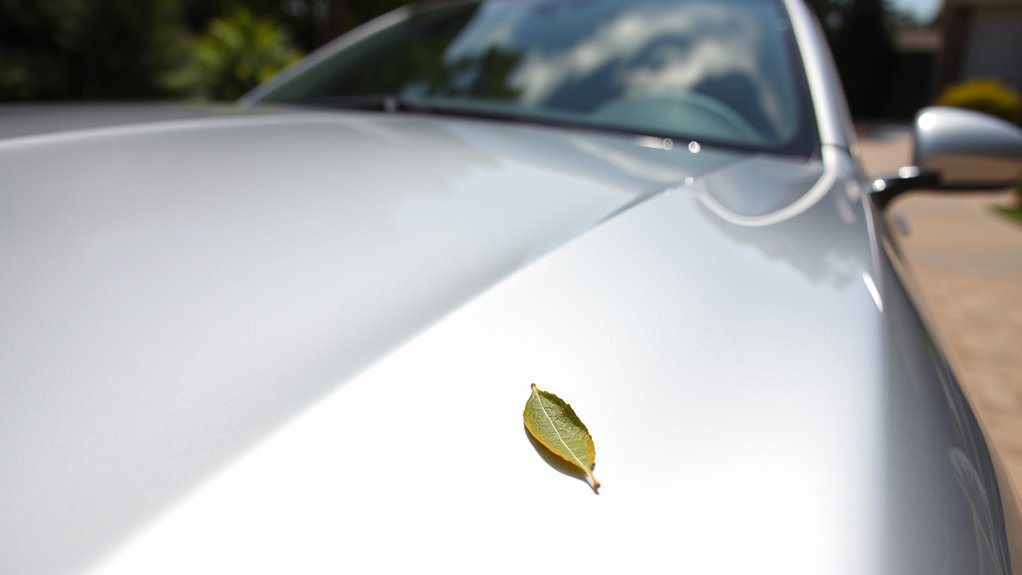
Autumn: Falling leaves can stain your vehicle and clog gutters if not washed away.
How Usage and Mileage Influence How Often You Should Wash
The more you drive your car, the more dirt, dust, and grime it accumulates, making regular washing essential. Your driving habits directly affect how often you need to wash your vehicle.
Mileage plays a big role: the more miles you put on your car, the more exposure it has to pollutants, road grime, and environmental contaminants.
Frequent use, especially on busy roads or in cities, can cause dirt to build up faster, which can damage the paint and expose vulnerable parts.
Proper car care means adjusting your washing routine based on how much you drive—more miles mean more frequent washes.
If you’re driving daily or on long trips, you’ll want to wash your car more often to prevent dirt from causing damage.
On the other hand, if your mileage is low, you might not need to wash as frequently.
Keeping an eye on your usage helps ensure your vehicle stays clean, protected, and in top shape.
Signs Your Car Needs a Wash: How to Tell When It’s Time
Regular driving habits influence how often your car needs a wash, but sometimes the signs are less obvious. Recognizing car wash indicators helps you catch dirt buildup before it becomes a bigger problem.
Here are three signs it’s time for a wash:
- Visible dirt or mud on the exterior, especially on the wheels and lower panels.
- A dull or streaky appearance on the paint, which shows surface grime.
- Unpleasant odors inside the vehicle, often caused by accumulated dirt and debris.
If you notice these signs, don’t wait too long. Dirt buildup can damage the paint and lead to rust. Regularly inspecting your car and paying attention to these cues keeps it clean and well-maintained.
Keeping up with these simple signs helps prevent long-term issues from dirt. It can save you time and money in the long run.
Frequently Asked Questions
Does Washing Frequency Vary Between Different Car Models or Brands?
Yes, washing frequency varies between different car models or brands. Luxury vehicles often need more frequent washes to keep their paint and shine looking great.
On the other hand, compact cars might not need to be washed as often. Off-road models tend to pick up more dirt, so they usually require more frequent cleaning.
Electric cars tend to stay cleaner longer, but all vehicles benefit from regular washing to protect their surfaces and keep them looking new.
How Do Eco-Friendly or Waterless Washes Affect Cleaning Routines?
Eco-friendly options, like waterless washes, are great for your routine because they offer waterless benefits, reducing water use markedly. These methods effectively clean your car without needing a hose or large amounts of water, making them convenient and environmentally friendly.
Using waterless benefits, you can maintain your car’s appearance more often, especially in drought-prone areas. Plus, they’re quick, simple, and help you contribute to water conservation efforts.
Can Frequent Washing Damage a Car’s Paint or Finish?
Imagine your car’s paint as a delicate canvas, vulnerable to damage from harsh wash techniques. Frequent washing with abrasive sponges or strong chemicals can speed up paint deterioration, dulling its shine and risking scratches.
To protect your finish, choose gentle, eco-friendly washes and avoid scrubbing too hard. Properly maintained, your car’s paint stays vibrant and smooth, even with regular cleaning.
This helps prevent unnecessary damage over time and keeps your vehicle looking its best.
How Does Parking Location Influence How Often I Should Wash My Car?
Your parking location really affects how often you need to wash your car. If you park in a driveway or garage, your car stays cleaner longer and doesn’t need washing as often.
But if you park on dirt, gravel, or shaded surfaces, your car is more exposed to things like dust, pollen, or bird droppings. These can damage your paint over time.
Regular washing helps get rid of these contaminants and keeps your car looking good while protecting its paint.
Are There Specific Cleaning Products Recommended for Different Car Types?
Did you know that using the right cleaning products can really help extend your car’s lifespan?
Different vehicle types need specialized cleaning products. For example, gentle options are best for delicate paint jobs, while heavy-duty cleaners work better for off-road vehicles.
For most cars, a pH-balanced shampoo is a safe choice. Use specific glass cleaners for windows to avoid streaks.
Always check the labels on cleaning products to make sure they’re suitable for your vehicle type. This way, you get effective cleaning without risking damage.
Using proper products helps protect your car’s finish and can even boost its resale value over time.
Conclusion
Keeping your car clean is like tending to a loyal steed. Regular care keeps it shining and running smoothly.
Think about your climate, driving habits, and local environment. These factors help you know when it’s time for a wash.
Don’t wait for dirt to turn into a stubborn stain. Stay ahead of the grime and wash your car regularly.
Remember, a well-maintained car is your trusty companion on every journey. Keeping it clean and shiny is key to maintaining its value and appearance.