What Are the Bad Effects of Auto Car Washes on Your Car?
Many car owners rely on auto car washes to keep their vehicles clean and shiny, but you’re not alone if you’re worried about potential damage. It’s common to wonder if these quick washes are doing more harm than good.
Using auto car washes can cause scratches, swirl marks, and paint dullness, especially if harsh brushes, chemicals, or high-pressure water are used. Worn or dirty brushes trap debris that damages your finish over time.
Repeated washing can strip protective coatings, leading to rust and fading. Poor-quality detergents and faulty equipment can leave chemical residues and uneven rinses, compromising your car’s look and protection.
Keep going to uncover safer ways to keep your vehicle pristine.
Key Takeaways
- Abrasive brushes and worn-out equipment can scratch or chip your car’s paint surface.
- Harsh detergents and chemical residues may dull the finish and damage protective coatings.
- High water pressure risks stripping clear coats and causing tiny scratches.
- Washing your car too often can wear down wax and sealants, making it look dull and increasing rust risk.
- Poorly maintained equipment can cause scratches, uneven rinses, and other surface issues.
Why Auto Car Washes Are Popular but Risky for Your Car
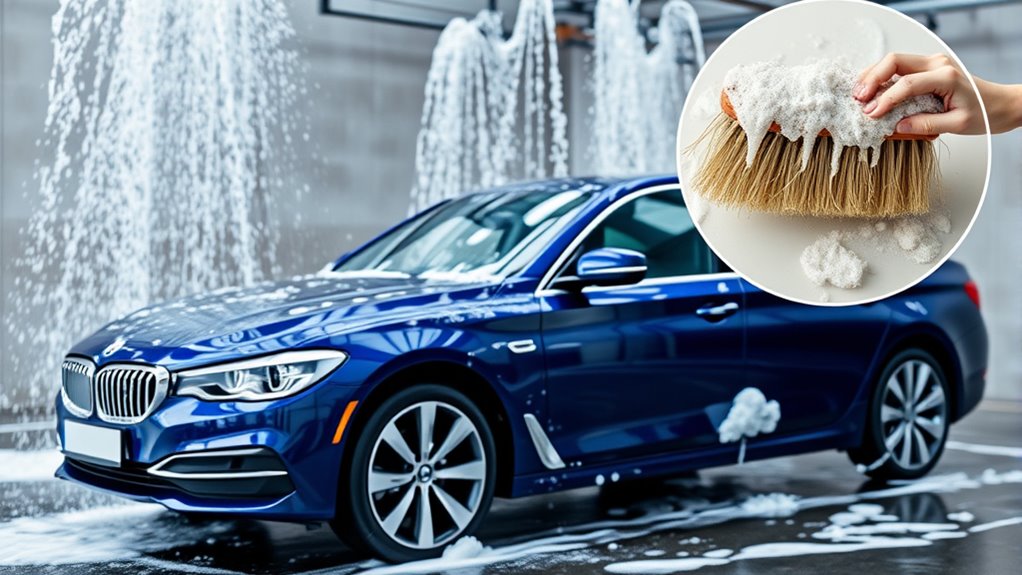
Auto car washes have become popular because they offer a quick and convenient way to keep your vehicle clean without much effort. The convenience factors, like short wait times and easy access, make these washes appealing, especially if you’re busy.
Auto car washes are popular for quick, convenient vehicle cleaning with minimal effort.
You can just drive in, pay, and leave with a shiny car in minutes. This saves you time and effort compared to washing your car by hand. Plus, many auto washes are affordable, which makes them a great option for regular cleaning.
But despite these benefits, there are some risks. The automated systems often use brushes and equipment that might not be gentle on your car’s paint. Sometimes, these machines can cause damage.
While they’re designed for efficiency, the potential for harm might outweigh the convenience and savings. Knowing these pros and cons can help you decide whether auto car washes are right for your vehicle.
How Auto Wash Brushes Can Scratch and Swirl Your Paint
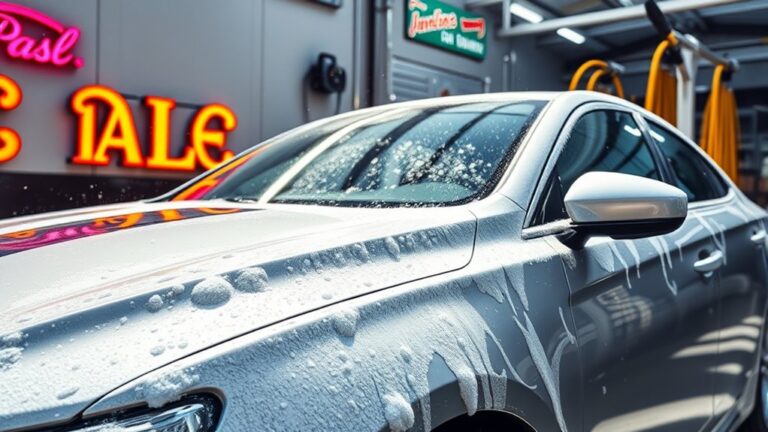
Auto wash brushes can actually scratch your car’s paint if the bristles are too abrasive or if they’re dirty to start with. When they move across the surface, they can cause tiny scratches, and those are what we call swirl marks. Over time, these little damages can add up pretty quickly, making your car look dull and scratched up. It’s a good idea to be cautious about the type of brushes used and make sure they’re clean before they touch your car’s paint.
Abrasive Bristles Damage Paint
Even though automatic car washes are meant to make cleaning easier, their abrasive bristles can cause serious damage to your vehicle’s paint. These stiff brushes often have tiny particles that, over time, scratch and dull your car’s surface.
This damage makes it harder to keep your paint looking good and complicates detailing. To understand better, take a look at this table:
| Effect | Cause | Result |
|---|---|---|
| Paint scratches | Harsh bristles | Loss of gloss and smoothness |
| Swirl marks | Improper brush cleaning | Circular imperfections |
| Fading | Frequent abrasive contact | Less vibrant color |
| Premature aging | Continuous surface damage | More repainting needed |
Avoiding abrasive brushes helps keep your car’s finish intact and makes paint care easier over time.
Swirling Marks Formation
Swirling marks are tiny, circular scratches that often appear on your car’s paint after a wash. These swirl marks happen when wash brushes or cloths pick up dirt and debris, then drag them across your vehicle’s surface.
Over time, this causes microscopic scratches that spoil the smooth finish of your paint. If you want to keep your car’s paint protected, avoiding swirl marks is really important.
Using abrasive brushes or harsh cleaning tools can make things worse, making your car look dull and older faster. Properly maintained, high-quality wash methods help reduce the risk of swirl marks.
Regularly inspecting and replacing dirty or worn brushes is key to protecting your paint and keeping that sleek, glossy look. The goal is to keep your car looking new by preventing these damaging swirl marks.
Can Chemical Residues From Auto Washes Damage Your Car’s Finish?
While many car owners trust automatic washes for convenience, the chemical residues left behind can be a serious threat to your vehicle’s finish. These residues can build up over time and cause damage.
Harsh chemicals in some washes might not rinse off completely, especially if the wash isn’t well-maintained. This buildup can dull your car’s shine, damage the clear coat, and even cause fading.
Here’s a quick look at how residues impact your car:
| Residue Type | Effect | Risk Level |
|---|---|---|
| Soap & detergents | Chemical buildup | Moderate |
| Wax & polish | Finish deterioration | High |
| Degreasers | Paint damage | High |
| Water spots | Surface etching | Moderate |
To keep your car protected, choose washes that use eco-friendly, residue-free products. Regular hand washing is also a good idea.
Does Water Pressure in Auto Washes Harm Your Car’s Paint?
Ever wonder if the water pressure in auto washes can actually harm your car’s paint? Well, it can, especially if the pressure is too high or not properly controlled. When the water hits your car with too much force, it can potentially strip away the protective layer or even leave tiny scratches on the surface.
Potential Paint Damage
Water pressure in auto washes can pose a real risk to your car’s paint if it’s too high or improperly aimed. Excessive pressure can strip away the protective clear coat, leading to potential paint damage over time.
To keep your paint in good shape, it’s important to choose auto washes that use gentle, well-regulated water streams. Proper detailing techniques, like avoiding direct high-pressure sprays on delicate areas, help prevent unnecessary harm.
Regularly inspecting your car’s paint after washes can catch any damage early. If you notice scratches or dullness, it might mean the water pressure or cleaning method isn’t right.
Being mindful of these factors helps protect your vehicle’s appearance and keeps its paint looking vibrant longer.
Excessive Water Pressure
| Water Pressure Level | Effect on Car’s Surface | Resulting Damage |
|---|---|---|
| Low | Gentle rinse | Safe |
| Moderate | Cleans effectively | Minimal risk |
| High | Forceful spray | Potential harm |
| Excessive | Jets of water at high force | Paint erosion |
When the water pressure is too high, it can strip away the protective clear coat and expose the paint underneath. To protect your car’s finish, make sure auto wash systems are properly regulated for maximum paint protection.
Risk of Surface Scratches
While regulating water pressure helps prevent paint erosion, it doesn’t eliminate the risk of surface scratches during an auto wash. Harsh brushes, dirt, and debris trapped in cleaning equipment can cause tiny scratches on your car’s paint.
These surface scratches can hurt your car’s appearance and might lead to bigger damage over time. Many automatic washes now use softer brushes or touchless systems to better protect your paint, but scratches can still happen if dirt isn’t removed beforehand.
Proper scratch prevention starts with pre-washing to clear loose debris. Choosing touchless or high-quality touch systems also helps. Being aware of potential scratches encourages regular inspections and choosing washes that prioritize gentle cleaning.
This way, you can keep your car’s finish looking great and maintain its value longer.
How Auto Wash Detergents May Strip Protective Coatings
Auto wash detergents often contain harsh chemicals that can quickly strip away your car’s protective coatings. These coatings are meant to shield your vehicle’s paint, but they need the right detergent to stay effective.
When you use aggressive or poorly formulated cleaners, they can break down these layers, leaving your car vulnerable to damage. The detergent’s makeup really matters for protecting your vehicle.
Some detergents have strong surfactants that dissolve wax and sealants, which can wash away your coatings. Others contain abrasive particles that can scratch your car’s surface. Harsh chemicals like alkalis or acids can also cause damage.
Excessive foaming agents might weaken the protective layers, and fragrances or additives could trigger chemical reactions. If these ingredients are too aggressive, they remove or damage the coatings.
That leaves your car exposed to dirt, UV rays, and corrosion. Choosing a gentle, pH-balanced detergent is key to keeping your vehicle’s protective coatings intact and working well.
Common Mechanical Failures in Auto Wash Equipment That Can Damage Your Car
Worn-out brushes can really do a number on your car’s paint. They might scratch or chip the surface, and that kind of damage can last a long time. Then there are the spray nozzles – if they’re not working right, they might spray unevenly or too much water, which isn’t great for your car’s delicate surfaces.
And don’t forget about the conveyor system. If it’s faulty, your car might get bumped or scraped unexpectedly, increasing the chances of dents or scratches during the wash. So, keeping an eye on these parts can save your car from some unnecessary damage.
Worn Out Brushes Damage Paint
One of the most common issues that can damage your car during an auto wash is worn-out brushes. If they’re not maintained properly, they can scratch or chip your paint.
Over time, brush bristles become rough or misshapen, which makes them less gentle and more likely to cause damage. Neglecting this can lead to abrasive contact with your car’s surface.
This might strip away paint or leave scratches that are costly to fix. To protect your vehicle, choose car washes that focus on brush maintenance and use soft, gentle brushes.
Regular inspections and timely replacement of worn brushes are key for keeping your paint safe. Otherwise, you risk dulling your finish or getting scratches that are hard to repair.
Malfunctioning Spray Nozzles
Over time, mineral deposits or debris can clog the nozzles, reducing their efficiency and causing water to spray inconsistently. This can result in missed spots or harsh water pressure that chips paint or damages delicate areas.
Regular nozzle maintenance ensures they stay clear and operate smoothly, preventing these issues. If nozzles malfunction, your car might get uneven rinses or even suffer physical damage from high-pressure sprays.
Staying vigilant about nozzle upkeep helps protect your vehicle from unnecessary harm caused by faulty spray systems.
Faulty Conveyor Systems
Poor maintenance can cause misalignments, jerky movements, or sudden stops, which increase the chance of scratches, dents, or more serious damage.
When the system isn’t reliable, your vehicle might get dragged or bumped against brushes or walls.
These failures often happen because of worn-out rollers, broken chains, or misaligned tracks.
You might notice your car being pulled unevenly or hear grinding sounds during the wash.
Regular inspections and maintenance are key to preventing these issues and keeping the conveyor running smoothly so your car stays safe.
How Dirt and Debris Trapped in Auto Washes Can Cause Scratches
Even small particles of dirt and debris can hide within the brushes and cloths of an auto wash. When your car goes through, these tiny particles can cause microscopic scratches on your paint.
Over time, these small scratches can dull your car’s finish and make it look less shiny. Regular auto wash sessions without proper brush maintenance can lead to dirt buildup inside the equipment, increasing the chances of scratches.
To help prevent this, it’s important to keep brushes and cloths clean and well-maintained. Washing your car too often can also expose it to more dirt, especially if debris isn’t fully removed beforehand.
Adjusting how often you wash your car based on your driving conditions and making sure the auto wash uses clean, well-maintained equipment can go a long way in protecting your paint from scratches caused by trapped dirt and debris.
What Repeated Auto Washes Do to Your Car’s Longevity
Repeated auto washes can speed up the wear and tear on your car’s paint and protective coatings, shortening its lifespan. Washing too often can strip away wax, dull the finish, and leave the metal underneath vulnerable to corrosion.
To keep your car in good shape, it’s important to follow proper maintenance tips and be mindful of how often you wash it. Over-washing can cause paint to fade and increase the risk of rust, especially if harsh chemicals or abrasive brushes are used.
Imagine your car’s surface being scrubbed aggressively by rough brushes, exposing sensitive areas. Think about dirt and grime building up if you wash it too often, not fully removed each time.
Visualize the protective coatings wearing thin, leaving your car more exposed to environmental damage. This can lead to dull paint, rust spots, and a loss of shine over time.
- Dulling of paint and clear coat
- Increased risk of rust and corrosion
- Diminished protective wax layer
- Fading color and gloss
- Faster deterioration of surface materials
Signs Your Car Has Been Damaged by an Auto Car Wash
When your car shows signs of damage after a wash, it’s often a clear sign that the cleaning process was too harsh or not done properly. You might notice scratches, swirl marks, or paint dullness, which can hurt your car’s paint protection.
These issues suggest your car isn’t getting the proper maintenance it needs and could be more vulnerable to future damage. Recognizing these signs early helps you prevent further harm and keep your vehicle looking its best.
Imagine this table showing potential signs:
| Scratches & Swirl Marks | Faded or Dull Paint | Water Spots & Streaks |
|---|---|---|
| Tiny surface scars | Loss of shine | White residue |
| Light paint abrasions | Faint color patches | Hard to remove |
| Visible damage | Reduced gloss | Persistent streaks |
If you see any of these signs, your auto car wash may have caused damage. This can impact your car’s appearance and long-term paint protection. Catching these issues early is key to keeping your vehicle in great shape.
Safer Alternatives to Auto Car Washes for Keeping Your Car Clean
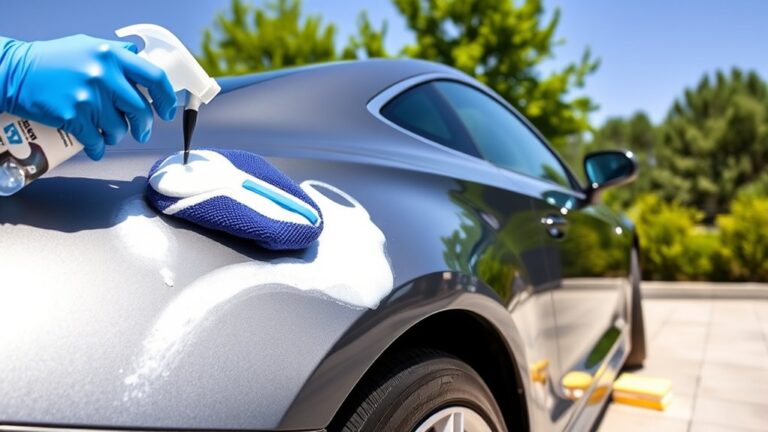
To protect your car’s paint and avoid damage from automated car washes, try safer alternatives like hand washing or using a portable spray and wipe method. Hand washing gives you control over pressure and cleaning products, which helps prevent scratches and paint damage.
You can also choose professional detailing services that clean and protect your vehicle with gentle, specialized techniques. These options keep your car cleaner longer and maintain its shine without the risks from brushes and harsh chemicals.
Picture yourself gently scrubbing away dirt with a soft microfiber cloth or having a professional detailer carefully apply wax and polish. These methods are more attentive and less aggressive. They also let you spot issues early on.
Frequently Asked Questions
How Often Should I Avoid Auto Car Washes to Protect My Vehicle?
You should avoid auto car washes every few weeks, especially if your vehicle’s paint protection is sensitive.
Over-washing can cause paint damage and wear down protective coatings.
To protect your car, stick to a reasonable wash frequency—about once a month or as needed—using gentle techniques.
This helps maintain your paint’s integrity and prevents unnecessary scratches or damage from harsh brushes or chemicals.
Are Hand Washes Safer Than Automatic Car Washes?
Hand washes are generally safer than automatic car washes because you control the brush types and wash frequency, reducing the risk of scratches and damage.
Automatic washes often use harsh brushes and high-pressure water that can harm your paint. By washing your car by hand, you can choose gentler materials and wash less frequently.
This helps protect your vehicle’s finish and prevents unnecessary wear.
Can Auto Car Washes Affect My Car’s Resale Value?
Auto car washes can affect your car’s resale value if they cause paint damage or scratches that aren’t properly addressed. Over time, poor washing techniques can wear down paint protection, leading to a dull or chipped look.
This can hurt your car’s curb appeal and resale value. To keep your car in good shape, try using gentle washes and maintaining your paint protection. That way, your vehicle stays looking its best for future buyers.
Do Eco-Friendly Auto Wash Options Reduce Damage Risks?
Eco-friendly auto wash options greatly reduce damage risks to your car. They often use gentle, biodegradable cleaning agents and water-saving techniques, minimizing the chance of scratches, paint damage, and corrosion.
Compared to traditional washes, eco-friendly benefits include safer wash alternatives that protect your vehicle’s finish. By choosing these options, you ensure a thorough clean while preserving your car’s condition.
Ultimately, this helps extend your car’s lifespan and maintain its resale value.
What Features Should I Look for in a Safer Auto Wash?
You should look for an auto wash with gentle brush types, like foam or soft cloth brushes, to prevent scratching your paint.
Make sure they use eco-friendly wash chemicals that are safe for your car’s finish and the environment.
A safer auto wash also offers touchless options, reducing physical contact.
These features help protect your car’s surface, keep its value, and promote eco-friendly cleaning.
They make your car wash safer and more effective.
Conclusion
While auto car washes seem quick and convenient, they can secretly chip away at your car’s beauty like a thief in the night. From scratches to chemical damage, the risks outweigh the benefits if you’re not careful.
Consider safer options like hand washing or touchless washes to protect your investment. Your car’s paint is like a delicate dance partner—treat it with care, or it may lose its shine before its time.
Using automatic car washes regularly can cause paint scratches and swirl marks over time. Harsh cleaning chemicals might also dull or damage your car’s finish.
To keep your car looking its best, it’s better to choose gentle, manual cleaning methods. Hand washing lets you control the pressure and products used, reducing the chance of damage.
Ultimately, auto car washes can harm your car’s appearance in ways you might not see right away. Protect your investment by opting for safer cleaning options like hand washing or touchless washes.