7 Essential Steps for Safely Washing Your Car With Pressure
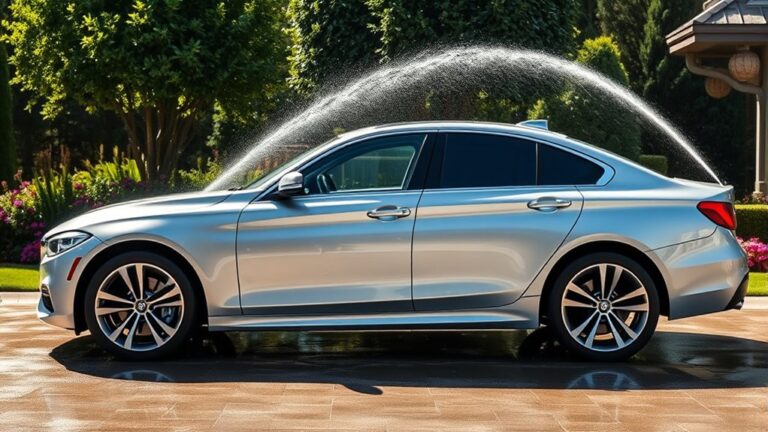
Many car owners want a clean, shiny vehicle but often feel overwhelmed by the process. You’re not alone—knowing how to wash your car safely with a pressure washer can make all the difference.
It’s easy to worry about damaging your paint or missing spots, but with the right steps, you’ll achieve professional results at home.
To safely wash your car with a pressure washer, start by preparing your equipment and safety gear, and choose the right nozzle and pressure settings.
Rinse your car thoroughly before applying soap, then use proper technique and keep the nozzle 2-3 feet away.
Work on sections one at a time, rinse off soap carefully, and inspect for spots or streaks.
If you follow these steps, you’ll achieve a clean, shiny finish—keep going for more expert tips.
Key Takeaways
- Check and maintain your pressure washer and safety gear before you start. It’s a good idea to make sure everything’s working properly.
- Pick the right nozzles and settings so you don’t accidentally damage your car’s paint. Using the wrong ones can cause scratches.
- Rinse the car thoroughly from top to bottom to wash away loose dirt before you start washing it. This helps prevent scratching.
- Use gentle, sweeping motions and keep the nozzle at a proper distance. This way, you avoid harming the surface or causing scratches.
- Dry the car quickly with microfiber towels to prevent water spots. Take a moment to inspect for any remaining dirt or debris.
Prepare Your Pressure Washer and Safety Gear
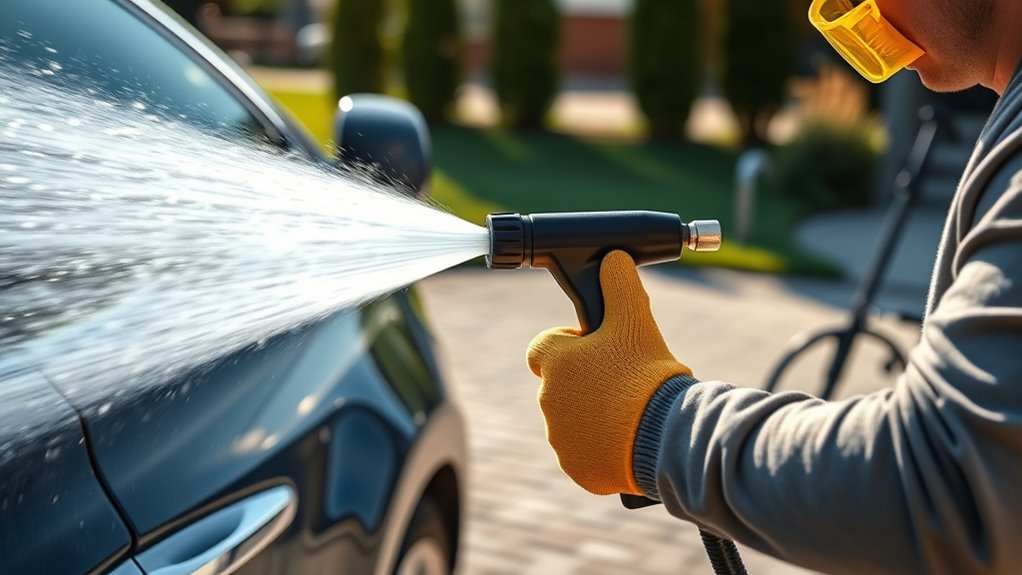
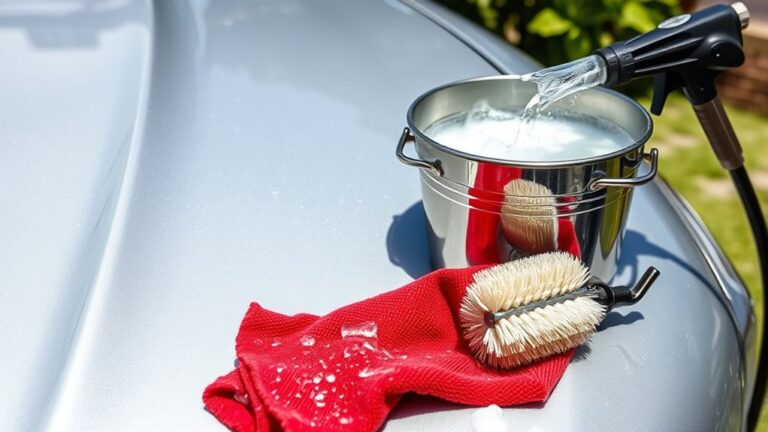
Before you start washing your car, make sure your pressure washer is ready to go. Check for any damage or leaks to ensure everything is in good shape. Inspect the hose and nozzle connections, tightening or replacing parts if needed. Clear the area of obstacles so you don’t trip or bump into anything during use.
Safety is key, so always wear safety goggles and gloves to protect your eyes and skin from debris and high-pressure water. If you’re using an electric washer, make sure the power cord and plug are in good condition. For gas-powered models, check the oil and fuel levels before starting.
Keep a safe distance from electrical outlets and avoid pointing the spray at yourself or others. Properly preparing your pressure washer and taking safety precautions protect you and help your equipment last longer. These steps make for a safer, more efficient cleaning experience.
Pick the Right Nozzle and Settings for Your Car
Picking the right nozzle and adjusting your pressure settings is essential for cleaning your car effectively without risking any damage. There are different nozzles designed for specific tasks—some are great for gentle rinsing, while others help tackle stubborn dirt. So, it’s a good idea to choose the right one based on what you’re cleaning.
Also, don’t forget to set your pressure low enough. High pressure can strip paint or cause damage to your vehicle’s finish, so it’s better to start with a gentler setting and adjust as needed. That way, you’ll get your car clean without any unintended harm.
Nozzle Types and Purposes
Selecting the right nozzle and spray setting is key to cleaning your car effectively without causing damage. Different nozzle types have specific purposes, so understanding their spray patterns helps you pick the best one.
Standard Nozzle: Provides a wide spray pattern perfect for general washing. It’s versatile but be careful not to use it on delicate paint to avoid damage.
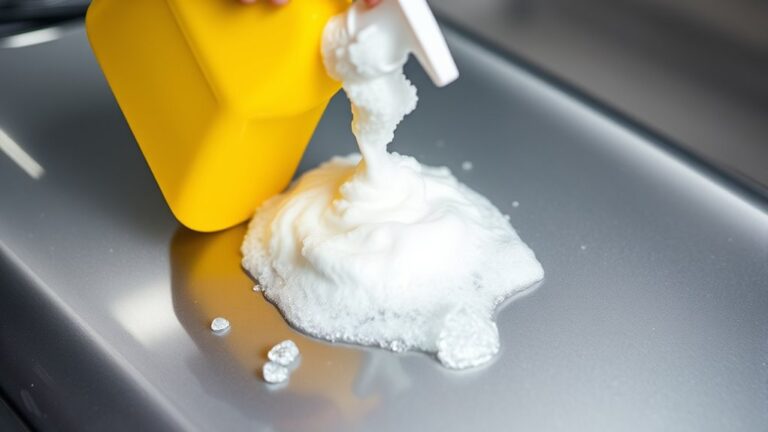
Foam Nozzle: Creates a thick foam that pre-washes and loosens dirt, making scrubbing easier and less aggressive.
Focused Nozzle: Delivers a narrow, powerful jet ideal for stubborn grime. Just make sure to maintain it well to prevent any damage.
Regularly check your nozzles for proper maintenance and spray patterns. Using the right nozzle protects your car’s finish and makes washing safer and more efficient.
Adjusting Pressure Settings
Adjusting the pressure settings on your pressure washer is key for a safe and effective car wash. Proper pressure helps prevent damage to your vehicle’s paint and delicate surfaces.
Start by choosing a nozzle that offers lower pressure, like a 25 or 40-degree nozzle. This helps avoid stripping paint or causing scratches. Always test the pressure on a small, hidden area first.
Keep the nozzle about 2 to 3 feet from the car and increase the pressure gradually if needed. Follow safe practices by avoiding high pressure directly on vents, mirrors, or trim.
Getting the pressure right ensures you clean thoroughly without risking damage, making your car wash both safe and efficient.
Rinse Your Car Thoroughly Before Cleaning
Before you dive into cleaning, give your car a good rinse to wash away any loose dirt and debris. It’s best to use a gentle stream of water that covers the whole surface—this helps prevent scratches and keeps your paint looking smooth. Think of it as a warm-up for your car, making sure it’s all prepped and ready for that deeper, more thorough clean.
Remove Loose Dirt
Start by rinsing your car thoroughly to remove loose dirt, dust, and debris that can scratch the paint during washing. Proper surface preparation is key to avoiding scratches and ensuring effective cleaning. Use these dirt removal techniques:
- Spray from top to bottom to loosen dirt without spreading it around.
- Focus on heavily soiled areas, applying extra pressure gently.
- Make sure all crevices and wheel wells are rinsed to clear stubborn debris.
This process lifts loose particles and prepares the surface for a safer, more thorough clean. Removing loose dirt helps prevent scratches caused by trapped debris during washing. Take your time with this step, as it sets the foundation for a spotless, scratch-free finish. Proper rinsing keeps your car’s paint protected and looking its best.
Use Gentle Water Flow
Using a gentle water flow to rinse your car thoroughly is key for removing dirt and loose debris without damaging the paint. It’s important to use the right water pressure to avoid scratches or paint stripping.
Gentle techniques prevent high-pressure jets from pushing dirt into the paint or causing chips. A steady, sweeping motion with low to medium water pressure works best for safe and effective rinsing.
Always keep the spray wide enough to cover large areas evenly. This saves time and effort while ensuring your car gets a thorough rinse. Starting with a gentle flow sets the perfect stage for a thorough wash.
Cover Entire Surface
After rinsing with gentle water flow, make sure to cover the entire surface of your car with water. This step is key for protecting the surface and loosening dirt and debris.
Start at the top and work your way down, making sure every inch gets wet.
Pay special attention to areas prone to buildup, like wheel wells and door gaps.
Maintain a steady, even spray to avoid streaks or missed spots.
Covering the full surface with water reduces the risk of scratching during cleaning and helps you see areas needing more attention.
How often you wash depends on your environment, but thorough rinsing always prepares your car for a safe, effective wash.
Apply Detergent and Use Proper Pressure Washing Technique
Applying detergent correctly and using the proper pressure washing technique are essential for effectively cleaning your car without causing damage. Start by choosing the right detergent types designed for vehicle washing; avoid harsh chemicals that can harm your paint.
Use a foam cannon or a spray bottle to evenly distribute the detergent, making sure every surface is covered. Follow the recommended washing frequency—cleaning your car regularly prevents dirt buildup and keeps the paint looking new.
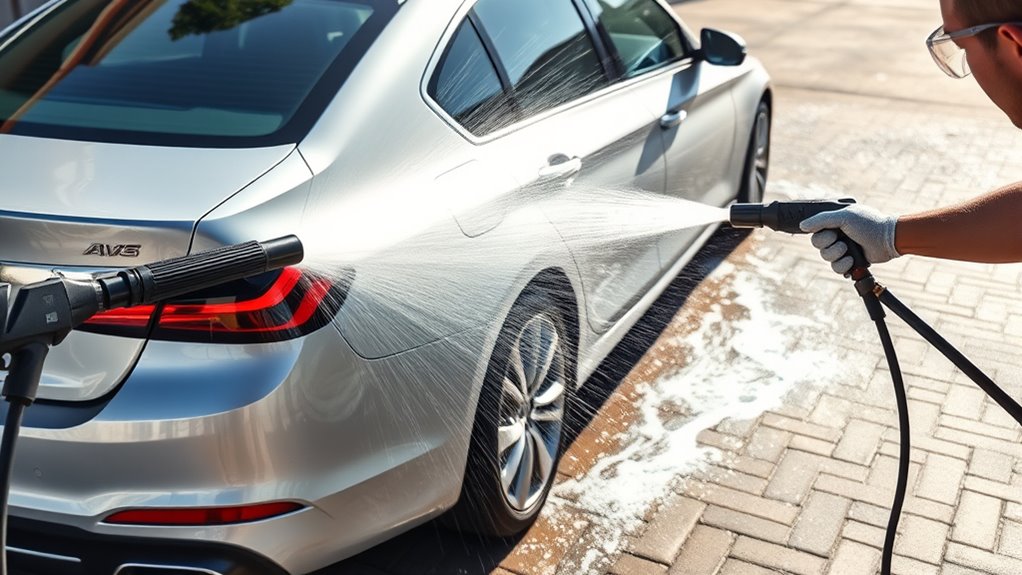
When pressure washing, keep the nozzle at a safe distance, usually around 18 to 24 inches, to avoid stripping paint or damaging trim. Use a gentle, sweeping motion to rinse off the soap without concentrating pressure on one spot.
Proper technique helps prevent scratches and ensures a thorough clean. Remember, the goal is to lift dirt without harming your car’s finish, so be patient and careful during this step.
Work on One Section at a Time and Keep Safe Distance
To get a thorough and safe car wash, focus on one section at a time, like the hood, doors, or roof. This way, you make sure each area gets cleaned properly without missing spots.
Keep a safe distance from the surface to avoid damage from too much pressure or spray. Staying at the right distance also helps protect the paint and reduces water spots.
Here are some tips to stay effective and safe:
- Concentrate on one section before moving to the next, and avoid overlapping spray.
- Keep the nozzle about 2-3 feet from the surface for a consistent distance.
- Move steadily to prevent uneven cleaning and potential surface damage.
Carefully Rinse Off Soap and Debris to Avoid Water Spots
Once you’ve thoroughly worked on each section and kept a safe distance, it’s time to rinse off the soap and debris. Use a gentle stream of water to wash away all soap residues and dirt.
Start from the top and work downward, ensuring even coverage and water flow across the entire surface. Proper rinsing helps prevent water spots by removing soap and mineral deposits that can cause streaks if left to dry.
Begin rinsing from the top, working downward to ensure even coverage and prevent streaks and water spots.
To avoid water spots, consider rinsing with cool or room-temperature water, since hot water can speed up spot formation. Use a steady, gentle flow rather than a high-pressure jet on delicate areas to prevent streaks.
Immediately after rinsing, dry your car with a microfiber towel or soft chamois. This helps absorb excess water, preventing spots and keeping your car’s surface smooth and shiny.
Inspect Your Car and Tips for Maintaining Its Shine
Inspecting your car after washing is essential to catch any remaining dirt, water spots, or missed spots that could dull its shine. A thorough inspection helps ensure your paint protection stays intact and your vehicle looks its best.
First, check the entire surface for streaks or spots, especially around crevices and edges. Second, look for water spots that can develop if not dried properly. These can harm your paint over time.
Third, evaluate the overall shine. If it looks dull, consider applying wax to restore the luster and add an extra layer of protection. Regular inspection also helps you spot areas where you might need to reapply wax or touch up paint protection.
Staying vigilant and performing these checks consistently makes maintaining your car’s shine easier. Proper inspection and care help prolong the finish and keep your vehicle looking showroom-ready longer.
Frequently Asked Questions
Can I Wash My Car With a Pressure Washer in the Rain?
Yes, you can wash your car with a pressure washer in the rain, but it’s not the best idea. Rain can reduce the pressure washer’s effectiveness and make it harder to see dirt. It can also cause streaks or spots on your car.
For the best results, try rinsing thoroughly and drying your car afterward. Avoid heavy rain to prevent dirt from settling back on your vehicle and to get a cleaner, safer wash.
How Often Should I Pressure Wash My Car for Maintenance?
Think of your car as a shining jewel that needs regular care. You should pressure wash it every 4 to 6 weeks to keep it looking its best and protect the paint.
The benefits of pressure washing include removing dirt, grime, and contaminants that can cause damage over time. Keeping up with this routine helps your car stay fresh and new.
Sticking to a consistent maintenance schedule ensures your vehicle looks great and holds its value. Plus, you’ll enjoy a spotless ride that turns heads wherever you go.
Is It Safe to Use Hot Water With a Pressure Washer on My Car?
Yes, you can safely use hot water with a pressure washer on your car if you pay attention to hot water safety and proper pressure settings.
Make sure to use a low to medium pressure setting so you don’t damage your paint. Keep the nozzle about 2 feet away from your car and avoid holding it in one place for too long.
Hot water helps loosen dirt and grime, but always use gentle pressure to prevent any harm to your car’s surface.
Can Pressure Washing Damage My Car’s Paint or Trim?
Pressure washing can damage your car’s paint or trim if you use too high pressure or incorrect settings. It can strip away paint protection and cause scratches or chips.
To avoid this, set your pressure washer to a gentle setting and keep the nozzle at a safe distance. Always use the proper wash attachment, and avoid focusing on delicate areas to protect your car’s finish.
Should I Use a Soap or Detergent Specifically Designed for Cars?
You should definitely use a soap or detergent specifically designed for cars. It’s a case of “better safe than sorry,” since car soap benefits include gentle cleaning without damaging your paint or trim.
Regular household detergents can strip wax or harm your finish. Car-specific detergents are formulated for different surfaces, making sure your car stays shiny and protected.
Stick to the right product, and your car will thank you in the long run.
Conclusion
By following these steps, you’ll protect your car’s paint and keep it looking brand new. Did you know that improper washing can cause swirl marks and scratches, which can reduce your car’s value by up to 20%?
Taking the time to use the right techniques not only preserves your vehicle’s shine but also saves you money on repairs. So, stay safe, be thorough, and enjoy that pristine, glossy finish every time you wash your car with pressure.