How Does a Car Wash Damage Your Paint?
Many car owners worry about their vehicle’s paint getting damaged during washes, and you’re not alone. It’s a common concern, especially with so many options out there.
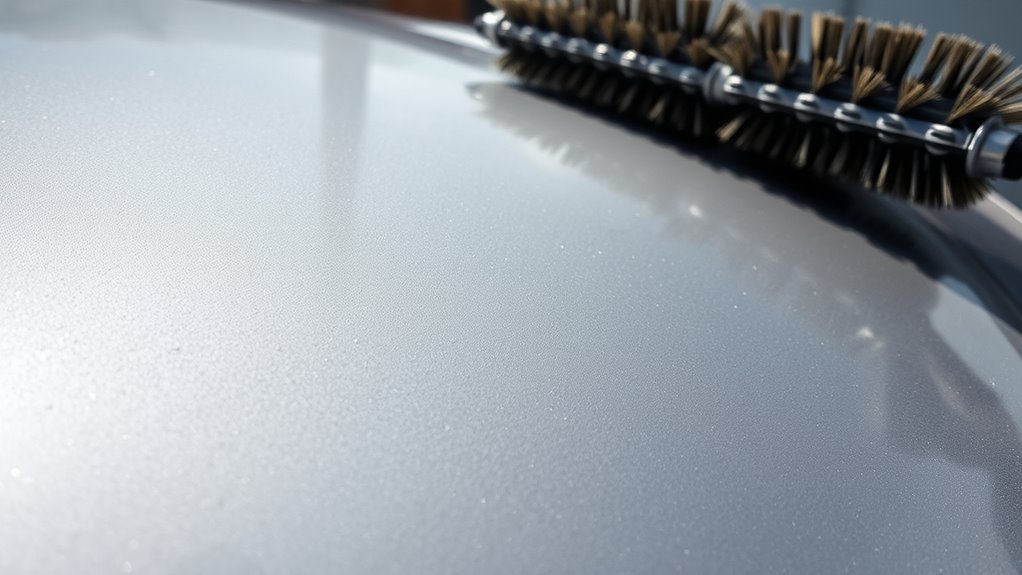
A car wash can damage your paint through micro-scratches caused by abrasive brushes, dirty equipment, or harsh chemicals that wear down the clear coat.
High-pressure water and improper drying techniques can also erode the surface, while aggressive cleaning tools may create swirl marks or chips.
Choosing the right wash method can protect your paint, and continuing with this guide will help you understand how to keep your vehicle’s finish safe and pristine.
Key Takeaways
- Abrasive brushes and dirty equipment can cause tiny scratches and swirl marks on your car’s paint.
- Harsh cleaning methods and strong chemicals might strip or dull the protective clear coat.
- High-pressure jets can damage the paint or clear coat if not used carefully.
- Washing your car too often or drying it improperly can speed up paint wear and create micro-scratches.
- Automatic car washes with dirty brushes are more likely to cause scratches and swirl marks.
How Do Car Washes Usually Harm Your Car’s Paint?
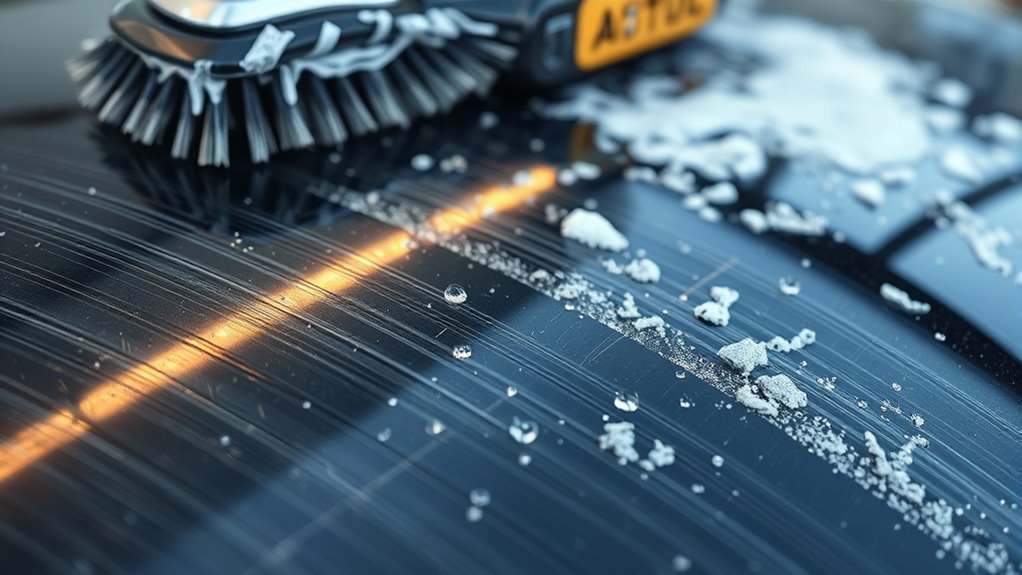
Car washes can damage your car’s paint when abrasive brushes and dirty equipment touch the surface. Over time, this can strip away the clear coat, reducing paint protection and causing scratches or dullness.
Automated car washes, especially those with rough brushes, often create micro-abrasions that weaken the paint’s integrity. Washing your car too often can speed up this damage because the cleaning tools wear down the finish faster.
On the other hand, washing your car too infrequently allows dirt, grime, and pollutants to settle, which can also harm the paint when you finally clean it. Finding a balance is key.
Regular, gentle washes help prevent buildup and minimize damage. This way, your car’s paint stays smooth, shiny, and well-protected over time.
Common Ways Car Washes Damage Your Vehicle’s Finish
One of the most common ways your vehicle’s finish gets damaged during a wash is through contact with abrasive materials. Many automatic washes use brushes or scrubbers that can trap dirt and debris, which then scratch your paint.
Even with a hand wash, using harsh sponges or scrubbers can cause tiny scratches over time, especially if dirt isn’t thoroughly rinsed away. Detailing services may seem gentle, but if they use abrasive cleaning tools or products not suited for your paint, damage can happen.
High-pressure water jets can erode the clear coat if directed improperly. Incorrect drying techniques, like wiping with rough towels, can also create micro-scratches.
To prevent this, choose gentle hand washes with soft mitts and quality detailing services that prioritize paint-safe methods. Proper care minimizes the risk of scratches and keeps your vehicle’s shine longer.
Are Automatic Car Washes Safe for Your Paint?
Automatic car washes can be pretty convenient, but you might be wondering if they’re safe for your paint. Sometimes, those brushes can cause scratches or swirl marks, especially if they’re dirty or worn out. It’s like running your hand over a rough surface—you might not notice it at first, but over time, it can be noticeable on your car’s finish.
You also might ask if their cleaning methods are strong enough to get rid of dirt without messing up your paint. Some automatic washes do a good job, but others might be a bit harsh, especially if they rely on abrasive brushes or harsh chemicals. So, it’s worth weighing the convenience of quick washes against the potential risk of damage to your car’s paint job.
Potential for Scratches and Swirl Marks
While automatic car washes are convenient, they can sometimes cause scratches and swirl marks on your vehicle’s paint. These imperfections happen when dirt or debris get trapped in brushes or cloths, scratching the surface or creating swirl marks that dull your car’s finish.
To minimize damage, regular waxing can create a protective barrier. If swirl marks do appear, gentle removal methods can help restore your paint’s clarity.
Be cautious about the quality of equipment used, as low-quality brushes and cloths are more likely to cause damage. Choosing touchless washes or washing by hand can greatly reduce the risk of scratches and swirl marks, keeping your car looking glossy.
Effectiveness of Cleaning Mechanisms
Automatic car washes are designed to clean your vehicle efficiently, but how well they work really depends on the quality of their cleaning mechanisms. Good methods use soft, well-maintained brushes or high-pressure water jets to remove dirt without damaging your paint.
The wash materials—like gentle detergents and proper cloths—are key to preventing scratches and swirl marks. If the mechanisms rely on harsh brushes or old, dirty wash materials, they can end up causing more harm than good.
Modern car washes with touchless systems or soft foam brushes tend to be safer for your vehicle’s paint. In the end, a well-maintained, high-quality cleaning system ensures your car gets clean without risking damage to its finish.
Why Harsh Chemicals Can Damage Your Car’s Paint
Harsh chemicals can quickly damage your car’s paint because they often contain strong acids, alkalis, or solvents that strip away the protective clear coat. These chemicals cause harmful reactions that weaken the paint’s surface, making it more vulnerable to chipping, fading, or peeling.
Harsh chemicals weaken your car’s paint by stripping the clear coat and causing long-term damage.
When you use aggressive cleaners, they may break down the protective coatings designed to shield your car from environmental damage. This can lead to long-term harm to your vehicle’s finish.
To understand their impact better, consider these points:
- They can dissolve or weaken the clear coat, exposing the underlying paint.
- Strong chemicals may cause discoloration or staining.
- They can accelerate oxidation, leading to dullness.
- Repeated exposure reduces the overall durability of the paint.
Using gentle, pH-balanced cleaners helps preserve your car’s paint. It keeps it shiny and protected for longer. Harsh chemicals disrupt the essential reactions that keep your vehicle’s finish looking good.
How High-Pressure Water Can Harm Your Car’s Finish
High-pressure water can accidentally damage your car’s finish by pushing dirt, debris, and other contaminants into tiny cracks and imperfections in the paint. If the pressure is too high or the nozzle is too close, it can strip protective layers or cause new scratches.
Adjusting the pressure settings is really important. Using lower pressure helps prevent damage, especially on delicate areas of your car. Keeping the nozzle at a safe distance ensures water flows smoothly without blasting away paint.
| Pressure Settings | Nozzle Distance |
|---|---|
| Keep on the lower side | Keep a few inches away |
| Avoid high pressure | Stay at a safe distance |
| Use gentle rinses | Prevent paint stripping |
| Regularly check pressure | Maintain consistent distance |
Signs Your Car’s Paint Has Been Damaged During a Wash
If your car’s paint shows unusual signs after a wash, it’s likely damage caused during cleaning. You might notice the following:
- Tiny swirl marks or scratches that dull the surface
- Faded or uneven paint color, especially after multiple washes
- Paint chips or peeling around edges or seams
- A rough or gritty feeling when you run your hand over the surface
These signs mean your paint protection has been compromised, often from abrasive cleaning methods or washing too often. Regular washing without proper techniques can speed up surface damage and make the paint more vulnerable.
To prevent this, use gentle washes and stick to the right wash intervals. Spotting these early signs helps you protect your car’s finish and keep its shine longer. If ignored, the damage can get worse, leading to costly repairs and lower vehicle value.
Monitoring your car’s surface after each wash is key to maintaining a healthy paint job.
Top Mistakes That Cause Swirl Marks and Surface Damage
Many common washing mistakes can lead to swirl marks and surface damage, even if you’re trying to keep your car looking its best. One big mistake is using dirty or rough cloths and sponges, which can scratch the paint and weaken the surface protection.
Another error is applying too much pressure while washing, which increases the risk of creating swirl marks. Using harsh or abrasive cleaners also damages the clear coat over time and makes swirl prevention harder.
Washing in circular motions instead of straight lines can cause tiny scratches that turn into visible swirl marks. Also, if you don’t rinse thoroughly before washing, dirt and debris stay on the surface and can scratch your car.
To protect your paint, always use clean, soft materials and gentle techniques. Avoiding these mistakes helps keep your car smooth and glossy without unwanted swirl marks or damage.
How Dirt and Debris in Wash Equipment Can Scratch Your Car
When you take your car for a wash, it’s easy to forget that dirt and debris on the brushes or in the equipment can actually scratch your paint. Those little particles can get transferred onto your car’s surface during the cleaning process, and once there, they can cause some damage.
Even tiny bits like gravel or sand, which might seem harmless, can do a lot of harm if they aren’t removed beforehand. So, it’s a good idea to make sure your car is as clean as possible before heading into the wash to protect that pristine paint job.
Contaminants on Brushes
Contaminants like dirt, debris, and leftover grit often cling to brushes used during car washes, and these can cause serious scratches on your paint. If the brushes aren’t properly maintained, dirt can embed deep into the bristles, transferring onto your car’s surface.
To prevent this, regular brush maintenance is essential, including thorough cleaning solutions that remove trapped debris. Neglecting this step means you risk scratching your paint every time you wash your car.
Moreover, contaminated brushes can harbor bacteria and mold, making the problem worse. Keep an eye on these factors:
- Accumulated dirt and debris in brush bristles
- Residual grit from previous wash cycles
- Inadequate cleaning solutions that don’t disinfect
- Worn or damaged brush fibers exposing abrasive elements
Proper brush maintenance minimizes contaminants, protecting your paint from unnecessary damage.
Abrasive Debris Transfer
Even small particles of dirt and abrasive debris can cause scratches if they transfer from wash equipment onto your car’s surface. Debris on brushes and wash tools, especially if they have rough or improper materials, increases the risk of scratching your paint.
When debris gets trapped in brush materials, it can transfer onto your vehicle during the wash, creating tiny but damaging abrasions. This is more likely if brushes aren’t cleaned or replaced regularly, allowing dirt to embed deeply.
The abrasive debris then acts like sandpaper, scraping and dulling your paint’s finish. To protect your car, choose washes that use soft, well-maintained brushes and ensure equipment is thoroughly cleaned before each use.
Tips for Choosing a Car Wash That Protects Your Paint
Choosing the right car wash can really help protect your paint. Look for places that focus on gentle cleaning methods, like hand washes, which help reduce scratches.
A good car wash will also offer detailing services that keep your paint looking great and preserve its quality. Check if they use soft, clean microfiber cloths and brushes for a gentler clean.
It’s also smart to choose a place with staff trained in paint-safe techniques. Be sure they have clear policies on the products and procedures they use.
Avoid automated washes that have harsh brushes or abrasive materials, as these can damage your paint. Instead, go for establishments that emphasize careful, gentle cleaning.
Detailing services are a bonus because they often include hand washing and paint protection steps. Picking a facility that cares about your car’s finish helps keep your paint pristine and protected over time.
How to Maintain and Repair Paint Damage After a Wash
After a wash, it’s important to inspect your car’s paint for any signs of damage so you can catch issues early.
If you notice scratches, swirl marks, or dullness, consider doing some paint restoration to boost your vehicle’s look.
Using a clay bar can help remove embedded contaminants, revealing a smoother surface underneath.
Follow that up with a quality polish to restore shine and get rid of minor imperfections.
To keep your paint protected long-term, reapply wax or sealants—they help guard against dirt, UV rays, and chemicals.
If the damage is more serious, it’s best to consult a professional for touch-ups or repainting.
Regular maintenance, like gentle washing and using proper cleaning products, reduces the risk of further harm.
Keeping your paint in good shape not only makes your car look better but also helps preserve its resale value.
Proper care ensures your vehicle stays protected and shiny after every wash.
Frequently Asked Questions
Can Washing Your Car Too Frequently Cause Paint Damage?
Frequent washing can indeed cause paint damage over time. When you wash your car too often, especially with harsh brushes or abrasive materials, you risk stripping away protective layers like wax or clear coat.
This can speed up paint deterioration and shorten its lifespan. To keep your car’s paint looking good, wash it regularly but gently. Using quality products that protect the finish can help your vehicle stay shiny longer.
Do Hand Washes Pose Less Risk to Your Car’s Paint?
Hand washes definitely pose less risk to your car’s paint. By choosing the right techniques—like gentle microfiber mitts and soft sponges—you can prevent scratches and swirl marks.
Hand washing offers careful cleaning, giving you control over pressure and personalized attention. You avoid harsh brushes and automatic wash systems that can cause damage.
How Do Environmental Factors Influence Paint Damage During Washing?
Environmental pollutants like bird droppings, tree sap, and dirt can weaken your paint during washing, especially if you don’t remove them promptly.
Poor wash water quality, which includes contaminants or harsh chemicals, can cause scratches or fading. Washing your car in polluted environments or with low-quality water increases the risk of damage.
These factors make your paint more vulnerable because they can cause abrasions and chemical reactions that degrade your car’s finish.
Are There Specific Types of Paint That Are More Vulnerable?
Certain paint types, like older or single-stage paints, are more vulnerable to damage during washing. They don’t have the strong protective coatings that newer, multi-layer finishes do.
This makes them more prone to scratches or fading. You should handle these with extra care, using gentle cleaning methods and quality waxes or sealants.
Protecting your car’s paint involves understanding these differences and choosing the right washing techniques to keep your vehicle’s finish looking great.
Can Using a Microfiber Cloth Prevent Paint Scratches?
Using a microfiber cloth can definitely help prevent paint scratches because of its soft, gentle fibers and excellent cleaning ability. Microfiber benefits include trapping dirt and debris, which reduces the risk of scratching during washing.
To get the best protection, use proper washing techniques—like gentle, circular motions and avoiding excessive pressure. This helps keep your car’s paint smooth and shiny, while minimizing the chance of damage from rougher cleaning tools.
Conclusion
If you think all car washes are safe, think again. The wrong methods or equipment can quietly damage your paint, leading to costly repairs down the line.
The key is to choose wisely and stay vigilant about how your car is cleaned. A simple mistake during a wash can cause tiny scratches or swirl marks that are hard to see at first.
But what if the next visit could be the one that causes unseen harm? Keep reading—your car’s finish depends on what you do next.