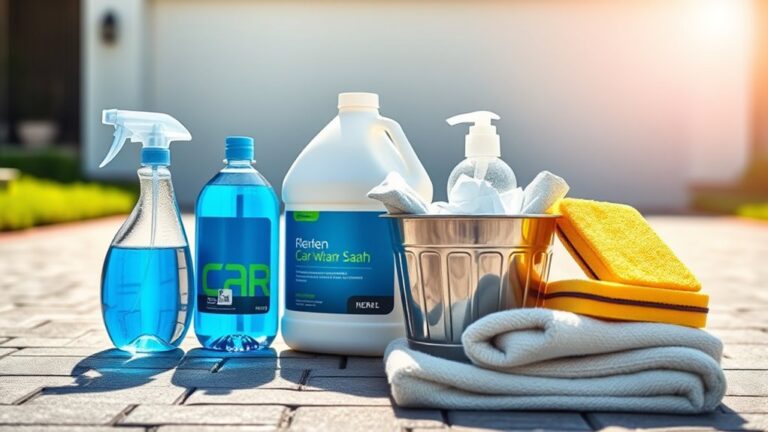
What Happens If I Use Dish Soap to Wash My Car?
Many car owners know the frustration of trying to keep their vehicle clean without damaging the paint. You’re not alone—lots of people struggle with finding the right cleaning products that won’t harm their car’s finish.
Using dish soap to wash your car might seem like a quick, cheap fix, but it can damage your vehicle’s paint and protective coatings over time.
Dish soap contains harsh chemicals that strip away wax and degrade the clear coat, leading to dullness, scratches, and faster paint aging.
This can cause long-term problems and costly repairs.
Keep going to uncover how you can protect your car and avoid these common pitfalls.
Key Takeaways
- Dish soap strips away wax and protective coatings, which means your car’s shine and protection are reduced.
- It can cause surface scratches if you use it improperly or aggressively.
- Repeating this often speeds up paint deterioration and makes your car more vulnerable to environmental damage.
- The harsh chemicals in dish soap may weaken the paint and lead to oxidation over time.
- Overall, using dish soap can damage your car’s appearance and lead to higher repair costs in the long run.
Why Dish Soap Seems Like a Quick Fix for Washing Your Car
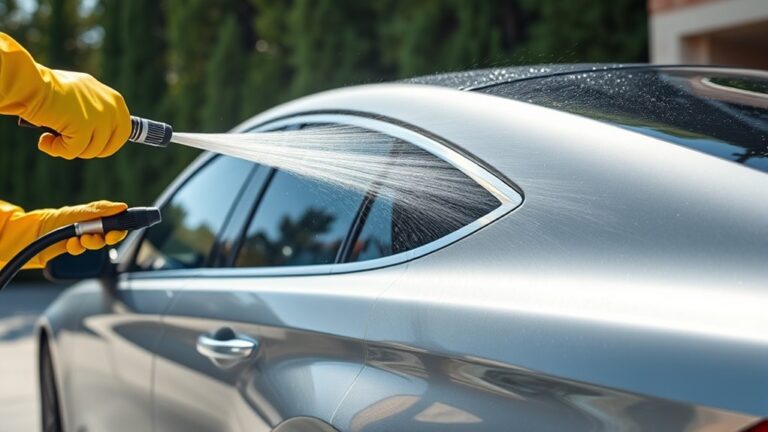
Many car owners turn to dish soap because it seems like an easy and affordable way to clean their vehicles quickly. It offers a quick solution when you need to wash your car in a pinch, especially if you’re short on time or supplies.
Dish soap is a cost-effective option because it’s usually cheaper than specialized car washes or cleaning products. You probably already have it at home, so there’s no extra expense.
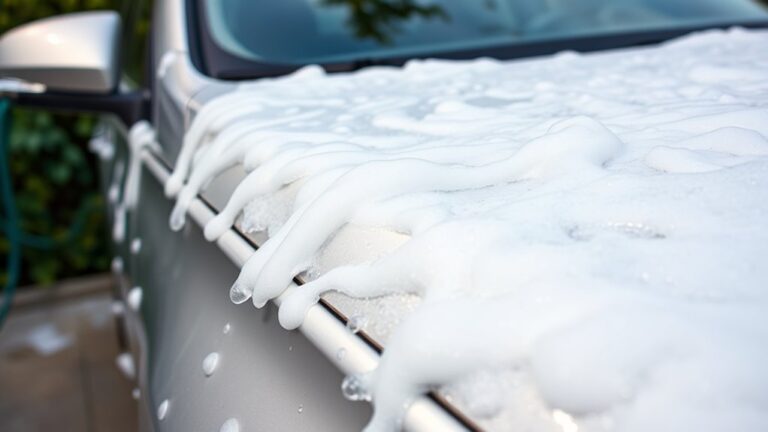
Its strong grease-cutting properties make it seem perfect for removing dirt, grime, and road grime efficiently. Plus, the process is simple: mix the soap with water, scrub, rinse, and you’re done.
This straightforward method makes dish soap appealing for those wanting a fast, budget-friendly way to keep their car looking clean without visiting a car wash or using specialized products.
However, convenience isn’t always the best choice for long-term vehicle care.
Why Using Dish Soap Can Damage Your Car’s Paint
While dish soap might seem like an easy way to clean your car, it can actually harm the paint over time. It’s designed to cut through grease and food, but it often contains harsh detergents that strip away your car’s protective layers.
Dish soap can damage your car’s paint over time by stripping protective layers and causing surface abrasion.
This can lead to paint deterioration, making your car’s surface more prone to scratches and environmental damage. Plus, dish soap isn’t gentle on delicate automotive finishes and can cause surface abrasion.
Repeated use can dull the paint’s shine and speed up corrosion. Unlike car-specific cleaners, dish soap doesn’t have the lubricants or gentle agents needed to keep your car’s finish looking good.
Over time, this damage adds up, reducing your car’s appearance and resale value. To keep your paint looking its best, avoid using dish soap and stick to products made specifically for cars.
How Dish Soap Affects Your Car’s Wax and Protective Coatings
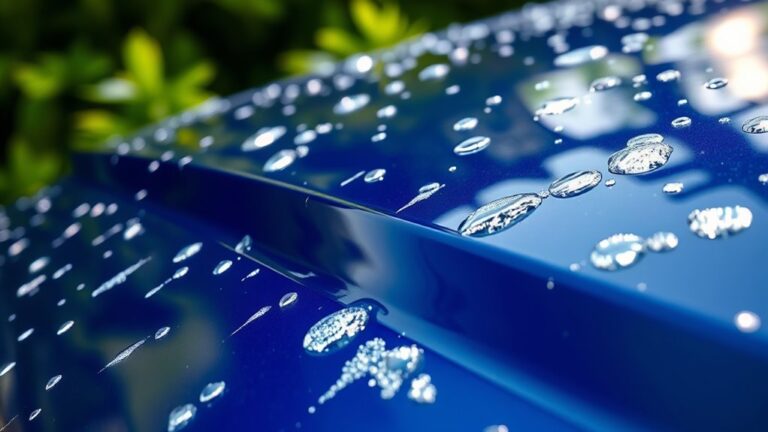
Dish soap can quickly strip away the wax and protective coatings on your car’s surface, leaving it vulnerable to damage. Without these layers, your vehicle’s paint is exposed to dirt, UV rays, and environmental contaminants, which speeds up coating degradation.
Over time, this reduces wax longevity, meaning you’ll need to reapply wax more often. To help you visualize this, here’s a simple table:
| Effect on Car’s Surface | Resulting Issue |
|---|---|
| Removal of wax | Shorter wax life |
| Degradation of coatings | Increased vulnerability to damage |
| Loss of protective layer | Higher risk of scratches and stains |
| Reduced shine | Duller appearance |
| Faster paint aging | Fading and peeling occur sooner |
Using dish soap regularly compromises your car’s protective barrier. This makes it harder to keep your car shiny and durable. To protect your vehicle, choose proper car wash products designed to preserve these coatings.
Common Dish Soap Ingredients That Can Harm Your Car’s Finish
Certain ingredients in dish soap can be especially harsh on your car’s finish, speeding up the breakdown of protective coatings and paint. These soaps usually contain surfactants and degreasers made for cleaning dishes, not vehicles.
These chemicals can strip away the natural oils and waxes that shield your car’s paint. Harsh surfactants can weaken the paint’s surface, making it more prone to scratches, oxidation, and UV damage.
Harsh chemicals can damage your car’s paint, leading to scratches, oxidation, and UV harm over time.
Some dish soaps also have fragrances and dyes that might leave residues or stains on your car over time. Strong detergents with high alkalinity can disrupt the chemical balance of your paint, causing dullness and a loss of gloss.
Using dish soap with aggressive ingredients repeatedly can cause long-term damage. It can reduce your car’s overall appearance and value. It’s best to choose a cleaner made specifically for cars to keep your paint in top shape.
How to Recognize Signs of Damage From Dish Soap
Recognizing damage from dish soap on your car is key to preventing long-term harm. Start with a thorough paint check. Look closely for dull spots or uneven patches, which might mean the paint has been stripped or is compromised.
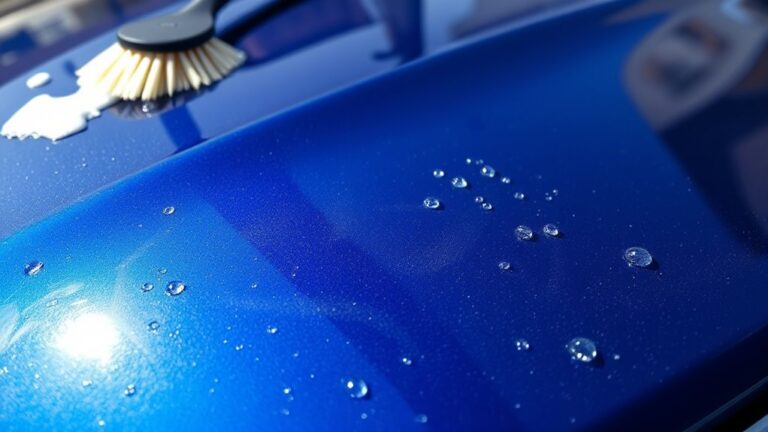
Swirling or fine scratches could indicate the clear coat has been weakened. Also, check for discoloration or fading, especially in areas exposed to direct sunlight. These are common signs that harsh soap ingredients may have caused damage.
A rough or chalky texture on the paint surface can also point to damage. If you notice any of these signs, it’s important to act quickly to prevent further deterioration. Regularly inspecting your car after washing helps catch damage early.
This way, you can take steps to protect your vehicle’s finish. Remember, early detection is crucial to maintaining a shiny, well-preserved paint job.
Safer Car Wash Products to Protect Your Car’s Paint
Choosing the right car wash products can make a big difference in protecting your vehicle’s paint. Look for products with eco-friendly formulas that are gentle on your car and better for the environment.
Choose eco-friendly, gentle products to protect your car’s paint and keep it looking its best.
These cleaners usually avoid harsh chemicals that can strip away paint and cause damage over time. Using soap specifically designed for cars helps keep your paint vibrant and intact.
Pair these products with microfiber cloths, which are soft and non-abrasive. They effectively lift dirt and grime without damaging the clear coat.
Avoid household cleaning agents or dish soaps not meant for automotive use, as they can harm your paint. By choosing gentle, eco-friendly products and high-quality microfiber cloths, you protect your car while maintaining a shiny, smooth finish.
This approach ensures your vehicle stays looking great for years to come.
Best Techniques for Washing Your Car Without Damage
To wash your car without causing damage, it’s important to use proper techniques that protect the paint and clear coat. Start by choosing the right approach, like waterless washing when appropriate, which helps minimize scratches and saves water. Always use clean microfiber towels—they’re gentle yet effective at lifting dirt without scratching your paint.
Here are three key techniques to keep your car safe:
- Use a two-bucket method: one for soapy water, one for rinsing your microfiber towels. This prevents dirt from transferring back onto your car.
- Wash from top to bottom. Dirt tends to accumulate at the bottom, so starting at the top reduces the risk of scratching lower panels.
- Avoid vigorous scrubbing. Be gentle with microfiber towels and never use circular motions that could damage the paint.
Applying these techniques guarantees your car stays shiny and undamaged while making the cleaning process efficient and safe.
How Often Should You Wash Your Car to Keep It Shiny?
Washing your car regularly is key to keeping its shine and protecting the paint. The right frequency depends on where you live, but generally, washing once every two weeks works well to remove dirt, grime, and pollutants.
If you’re in a coastal or busy urban area with heavy pollution, you might want to wash it more often. Regular washing prevents buildup that can dull your car’s finish and cause damage over time.
To get that shiny look, use a gentle soap, avoid harsh scrubbing, and rinse thoroughly. Skipping washes can lead to stubborn stains and paint deterioration, so it’s best not to neglect it.
Cleaning your car regularly also gives you a chance to spot issues early. Sticking to a routine helps keep your car gleaming, preserves its value, and cuts down on long-term repair costs.
Adjust how often you wash based on your driving habits and environment for the best results.
How to Repair Damage Caused by Dish Soap
Dish soap can strip away wax and damage your car’s clear coat if used too often or improperly. Luckily, you can fix some of this damage with specific paint restoration techniques.
First, try a professional polish or compound to gently remove surface scratches and bring back the shine. This can help improve your car’s look without much hassle.
Use a professional polish or compound to safely remove scratches and restore your car’s shine.
Next, after cleaning, apply a good quality wax or sealant. It helps rebuild a protective layer and shields your paint from future damage.
You might also want to consider ceramic coatings for long-term protection. These create a tough barrier that resists damage from harsh chemicals and the environment.
If the damage is severe, it’s best to consult a detailer for advanced paint correction. They can help restore your paint more thoroughly.
Following these steps can bring back your car’s finish and prevent more deterioration. Remember, regular maintenance and using the right products are key to keeping your car looking its best, especially after dish soap mishaps.
Tips for Choosing the Best Car Wash Products for Long-Term Protection
Choosing the right car wash products is key for long-term protection because the quality of what you use directly affects your vehicle’s finish and durability. Start with basics like pH-balanced shampoos and microfiber mitts to avoid scratches.
Look for products that help your car stay cleaner longer, so you don’t have to wash it as often. Stay away from harsh soaps or dish detergents, which can strip protective coatings and damage your paint.
Invest in a good wax or sealant for extra protection against the elements. Make sure to choose products made for your car’s finish—whether matte, gloss, or metallic.
Always read labels and reviews to confirm a product’s effectiveness and compatibility with your vehicle.
Using the right combo of products not only boosts shine but also helps preserve your paint and clear coat over time.
Consistently using proper car wash essentials will extend your vehicle’s exterior life and keep it looking great for years.
Frequently Asked Questions
Can Dish Soap Remove Stubborn Stains From My Car’s Paint?
Dish soap can help remove some stubborn stains from your car’s paint, but it’s not ideal for long-term stain removal or paint protection. Its strong detergents can strip away wax and protective coatings, leaving your paint vulnerable.
For effective stain removal and to keep your paint protected, use a specialized car wash soap made for your vehicle. Regular washing with the right products helps preserve your car’s shine and prevents damage over time.
Is Dish Soap Effective at Cleaning off Road Tar and Grease?
You bet dish soap can tackle road tar and grease removal from your car’s surface. It’s a quick fix that cuts through stubborn grime, but don’t rely on it long-term.
Dish soap isn’t formulated for car paint, so after cleaning, you should follow up with a proper car wash and wax to protect your finish. Think of dish soap as a first aid kit—use it wisely, then get professional care.
Will Dish Soap Strip Away My Car’s Existing Wax or Sealant?
Using dish soap on your car can strip away your wax or sealant, which means you’ll lose some of that protective shine. It can shorten how long your wax lasts and reduce the paint protection it provides.
Dish soaps are designed to cut through grease and grime, not to keep delicate coatings intact. If you use dish soap often, you might notice your car’s shine fading faster and less protection against the elements.
To keep your car looking its best and extend the life of your wax, it’s better to use an automotive or pH-balanced car wash soap. These are made specifically for cleaning cars gently and effectively.
How Does Dish Soap Compare to Specialized Car Wash Detergents?
Ironically, dish soap isn’t as effective or as safe for your car as specialized detergents. While it might seem like a quick fix, it can strip away wax and sealants, which can damage your paint.
Car wash soaps are made specifically for car paint, so they clean well without harming the finish. For the best results and to keep your car shining, sticking with dedicated car wash detergents really makes a difference.
Can Using Dish Soap on My Car Void Its Warranty?
Using dish soap on your car can potentially void its warranty if the manufacturer specifies only certain cleaning products. Dish soap effects, like stripping wax or damaging paint, might lead to warranty issues if problems come up from improper cleaning.
It’s best to avoid using dish soap regularly and stick with recommended car washes to protect your vehicle’s finish and keep your warranty intact. Always check your car’s manual for specific cleaning guidelines.
Conclusion
Using dish soap on your car is like trying to fix a delicate watch with a hammer. It might seem quick and easy, but it can cause lasting damage.
To keep your car’s finish shining bright like a diamond, stick to products designed for automotive care. Your car deserves gentle love, not harsh shortcuts.
Treat it with care, and it’ll reward you with a beautiful, lasting glow. Using dish soap to wash your car can strip away protective coatings and harm the paint over time.
For the best results, always use car-specific cleaning products. Your car’s appearance and value depend on it.