What Factors Determine How Often You Should Wash Your Car?
Many car owners know the struggle of keeping their vehicle looking clean and shiny. It’s easy to feel overwhelmed by how often you should wash your car, especially with busy schedules and unpredictable weather.
You’re not alone—figuring out the right cleaning routine can be tricky.
Your car’s washing frequency depends on several factors, including your local environment, driving habits, and parking choices. Pollution, salt, dirt, and weather conditions like rain or snow can speed up grime buildup, while city driving or off-road adventures increase the need to clean more often.
Parking outdoors exposes your vehicle to more debris, dirt, and bird droppings.
To keep your car looking its best, consider these influences—keep going to uncover how to optimize your car’s care.
Key Takeaways
- Environmental factors like pollution, salt, and humidity mean you might need to wash your car more often.
- If you drive on muddy, dusty, or salted roads, dirt and grime build up faster.
- Parking indoors or outside also affects how often your car needs cleaning.
- Seasons matter too—pollen, leaves, and snow can all change how often you should wash.
- When you see dirt, bird droppings, or residue, it’s a good idea to wash your car right away.
How Often Should You Wash Your Car?
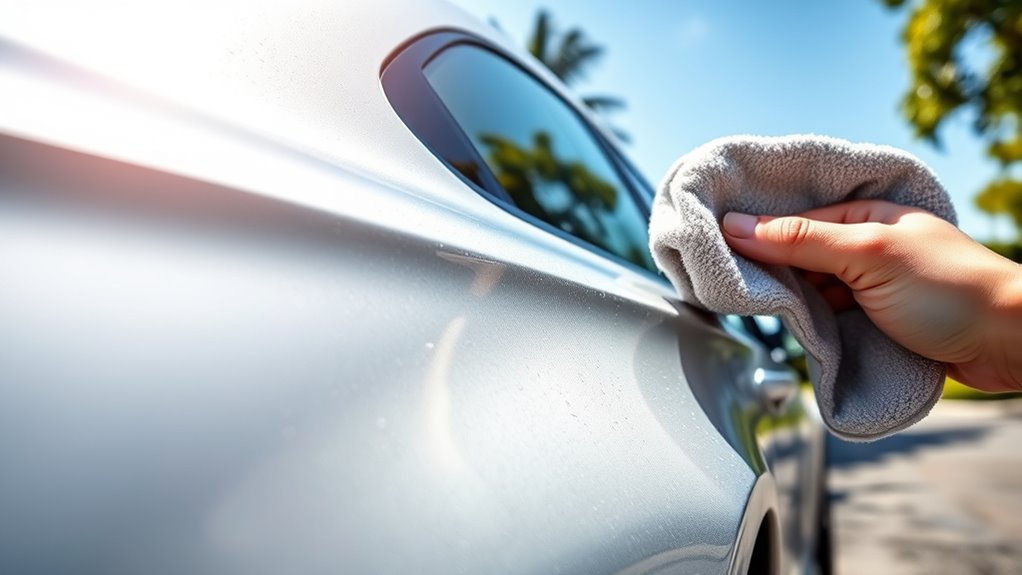
Washing your car regularly protects its paint, prevents rust, and keeps it looking its best.
When you wash your car consistently, you remove dirt, grime, and road salts that can cause corrosion over time. Proper vehicle maintenance isn’t just about oil changes and tire checks; keeping your car clean is just as important.
If you drive in areas with lots of pollution, salty roads, or muddy conditions, you might need to wash more often. Conversely, if your car stays mostly parked in a garage and driven on clean roads, less frequent washes may do.
Ultimately, establishing a routine helps preserve your vehicle’s appearance and longevity. This way, your car stays in top condition for years to come.
Factors That Influence Car Wash Frequency
Weather and road conditions really affect how often you should wash your car. For example, if you’re driving on salted roads or through mud and debris, you’ll want to wash it more often to keep the paint in good shape.
Just pay attention to your surroundings—if the environment gets messy, it’s a good idea to give your car a wash sooner rather than later. That way, you can help protect your car’s finish and keep it looking fresh.
Weather Conditions Impact
Rain, snow, and other weather conditions can really impact how often you need to wash your car. High humidity and seasonal changes can make dirt, mud, and grime build up faster, especially in humid or rainy areas.
Your local climate matters too—coastal regions with pollution might require more frequent washes to remove salt and pollutants. Environmental factors like UV rays can wear down your car’s wax and protective coatings, making it easier for dirt to stick and cause damage.
Extreme temperatures, like hot summers or cold winters, can cause dirt and debris from road construction to cling more firmly to your vehicle. Regular washing helps protect your car’s finish, especially when facing these weather-related challenges.
Road Salt and Debris
During seasons with heavy snowfall or frequent roadwork, road salt and debris can quickly build up on your vehicle’s surface. The salt can speed up corrosion and damage your paint if you don’t wash it off regularly.
Debris like mud, leaves, and gravel can also scratch or dull your car’s finish. If you’re driving often in these conditions, it’s a good idea to wash your car more frequently to remove salt and debris before they cause long-term damage.
Regular cleaning helps prevent rust and keeps your paint looking fresh. Plus, removing debris reduces the risk of clogging air filters or damaging sensitive parts.
How Environment Affects Your Car’s Dirt and Maintenance
The environment around your car plays a big role in how quickly it gets dirty and what kind of maintenance it needs. Dust buildup is common, especially if you park outside or near construction sites, leading to grime that can damage the paint if you don’t clean it regularly.
Seasonal changes also affect your car’s cleanliness. In winter, road salt and slush stick to your vehicle, making frequent washes necessary to prevent rust. During spring and fall, falling leaves and pollen can settle on your car and cause staining if left unwashed.
Hot, dry climates tend to cause more dust to settle on your car, while humid environments can lead to mold and mildew growth. By understanding your environment’s specific challenges, you can set up a washing schedule that keeps your car looking good and protects its finish over time.
How Driving Habits Impact Car Cleaning Needs
Your driving habits can really influence how often you need to wash your car. If you drive a lot, dirt builds up faster, especially in city areas with pollution and dust.
Highway driving usually results in less grime, but off-road adventures can bring a lot of mud and dirt. The type of vehicle also makes a difference; bigger trucks or SUVs tend to gather more dirt and need more frequent cleaning.
Seasonal changes matter too. Winter roads with salt and slush mean you’ll need to wash your car more often. In summer, pollen and bug splatter can quickly dirty your vehicle.
Your driving patterns help determine your cleaning routine. Frequent drivers should wash their cars more often and use the right products to protect the paint.
Whether you’re stuck in city traffic or cruising on open highways, knowing how your habits affect dirt build-up helps you plan better. This way, you can keep your vehicle in great shape with the right cleaning schedule.
Weather Conditions and Their Effect on Car Wash Frequency
Weather really has a way of influencing how often you should wash your car. For instance, rain can actually help wash away dirt, but it can also leave behind mineral spots that might be tricky to remove later on. Snow and salt are even more stubborn—they can cause rust if you don’t clean your car off pretty quickly.
And don’t forget about the sun. Those rays can fade your car’s paint over time, so giving your car a regular wash can help protect that shiny finish, especially when it’s exposed to harsh conditions.
Rain and Dirt Accumulation
Rain and dirt often build up quickly on your car’s surface, especially after a storm or during consistent rain. The rain can wash away loose debris but often leaves dirt behind, which can stain your paint if you don’t clean it off soon.
Frequent rain means your car gets exposed to mud, dust, and pollutants carried by the weather. That increases how often you’ll need to wash your car. Over time, dirt buildup can damage your paint and even cause rust if you leave it.
If you notice your car covered in mud or streaked with rain residue, it’s time to give it a wash. Cleaning your car after rainy days helps protect the finish and keeps it looking good.
Don’t wait until dirt gets ingrained—regular washing during wet weather is essential. It’s the best way to keep your vehicle in great shape and looking sharp.
Snow and Salt Damage
Snow and salt can quickly speed up corrosion on your car’s undercarriage and paint if you don’t wash it regularly. During winter, snow often traps salt from road treatments, which can cause rust.
When salt stays on your vehicle’s surface, it attracts moisture, leading to paint damage and rust. If you don’t wash your car often in snowy weather, salt residue builds up and increases the risk of long-term corrosion.
Regular washes help remove snow, slush, and salt deposits before they cause serious damage. Be sure to focus on the undercarriage and wheel wells, where salt tends to linger.
Keeping your car clean during winter is key to avoiding costly repairs and keeping your vehicle looking good and lasting longer.
Sun and Paint Fading
Exposure to sunlight and harsh weather can speed up paint fading and surface wear on your car. UV rays break down the clear coat, which can lead to color loss and damage.
To keep your paint looking fresh longer, make regular waxing and detailing part of your routine. Wax creates a protective barrier that shields your car from UV rays and environmental elements.
Parking in shaded areas or using a car cover when you can also help prevent damage. Regularly inspecting and maintaining the clear coat is key to keeping your paint in good shape.
| Weather Condition | Effect on Car |
|---|---|
| Intense Sunlight | Speeds up fading and damage |
| Harsh Winds & Dust | Dulls color and scratches surface |
| Heavy Rain | Washes away wax, exposes paint |
| Cold & Snow | Causes corrosion and surface wear |
How Road Conditions Change When You Should Wash Your Car
Road conditions can really change how often you should wash your car, especially when roads are covered in mud, salt, or debris. Your driving environment plays a big role in how much grime your vehicle picks up.
If you often drive on dirt or gravel roads, you’re more likely to gather mud and loose stones, which can scratch your paint and cause rust if you don’t clean them off. Salt from winter roads is particularly harsh and speeds up corrosion on metal parts.
Driving on dirt or gravel roads increases mud, stones, and rust risks if not cleaned regularly.
Driving in rainy, slushy, or salty conditions means you should wash your car more often to prevent buildup. Even in busy urban areas with heavy pollution, pollutants settle on your car’s surface and dull the paint.
Paying attention to your environment helps you figure out how often to wash your car. Keeping it clean protects it from the damaging effects of various road conditions.
Does Parking Location Affect How Often You Need to Wash Your Car?
Where you park your car can really influence how often you need to wash it. Parking in a garage keeps your vehicle cleaner by reducing exposure to dust, bird droppings, and tree sap, but indoor pollutants can still cause some grime.
Outdoor parking exposes your car to more dirt, debris, and contaminants like bird droppings, tree sap, and mud. If you park near construction sites, debris and chemicals can also build up quickly.
Seasonal changes play a big role too. In winter, salt and mud stick easily, while spring brings pollen and sap. Parking near trees or busy roads means more grime and bird droppings on your car.
Here’s a quick overview of how different parking spots affect your car’s cleanliness:
| Parking Location | Contaminants & Factors |
|---|---|
| Parking Garage | Dust, indoor pollutants |
| Outdoor Parking | Dust, bird droppings, tree sap, mud |
| Near Construction | Debris, dust, chemicals |
| Urban Environment | Pollution, grime |
| Seasonal Changes | Snow, salt, pollen |
Signs Your Car Needs a Wash Today
Knowing the signs that your car needs a wash can help you stay on top of maintenance and keep it looking its best. Regular visual inspections let you spot dirt, grime, or debris that can harm your vehicle’s paint and finish. Recognizing these signs can maximize the benefits of a car wash and prevent long-term damage.
Regular inspections help identify dirt and grime that can damage your car’s paint and finish.
Look for these indicators:
- A noticeable layer of dirt or mud on the exterior
- Bird droppings or tree sap that can damage paint
- Road salt or grime buildup, especially in winter
- Sticky or oily residues on the surface
- A dull or streaky appearance in the paint
If you notice any of these signs, it’s time for a wash. Keeping your car clean through regular washing not only improves its look but also helps preserve its value. Performing visual checks often ensures you catch issues early, making each wash more effective.
Tips for Adjusting Your Car Washing Routine Based on Your Lifestyle
Your car’s cleaning needs can vary widely depending on your daily routines and environment. If you’re into outdoor activities like hiking or sports, you’ll probably need to wash your car more often to get rid of mud, dirt, and dust.
On the other hand, if you mostly drive in the city with less exposure to debris, your routine might not need to be as frequent. Think about seasonal changes too; in winter, road salt and grime can speed up corrosion, so more frequent washes are a good idea.
If your schedule changes—like working from home or taking longer commutes—adjust your routine accordingly. Keep an eye on your vehicle’s condition. If it looks dirty or feels sticky, it’s probably time for a wash.
Balancing Over-Washing and Under-Washing Your Vehicle
Finding the right balance between over-washing and under-washing your vehicle is key to keeping it looking good and lasting longer. Washing too often can remove protective wax and damage the paint, while washing too little lets dirt and grime speed up wear.
Balancing vehicle washes protects your car’s appearance and longevity.
Think about your driving habits, climate, and what your car comes into contact with. Your wash schedule should match these factors, so you don’t do more harm than good. Also, choose gentle, high-quality cleaning products to protect your paint and clear coat.
Picture your routine: if you drive in busy city areas with lots of pollution, you’ll need to wash more often. Living in a rural area might mean fewer washes unless your car gets muddy or dusty.
Using the right cleaning products helps prevent paint damage. Avoid harsh brushes that can scratch your car’s surface. Regularly inspecting your vehicle can help you spot when it needs a wash.
Finding this balance ensures your car stays clean without risking damage or unnecessary wear.
Frequently Asked Questions
How Does Car Color Influence Washing Frequency?
Your car’s color really affects how often you need to wash it. Lighter colors like white or silver hide dirt and stains better, so you can go longer between washes.
Darker shades such as black or navy show dust, water spots, and scratches more easily. That means you might need to clean them more often to keep them looking sharp.
Knowing your car’s color can help you stay on top of maintenance and protect its paint. Regular washes are key to keeping your car looking great.
Do Seasonal Changes Alter How Often I Should Wash My Car?
Absolutely, seasonal changes do alter your car-washing routine. When the weather brings rain, snow, or mud, you should wash your car more often to prevent grime buildup and corrosion.
I mean, nothing screams “carefree” like a muddy, salt-stained vehicle, right? Road conditions get worse during winter, so frequent washes help remove salt and chemicals that can damage your paint.
Welcome the season’s chaos — your car will thank you.
Can Washing Frequency Affect a Car’s Resale Value?
Washing your car frequently can positively influence its resale value by preserving paint protection and keeping it looking clean. Regular washes help remove dirt, grime, and contaminants that can damage the paint over time.
This aligns with current resale trends that favor well-maintained vehicles. By keeping your car spotless, you show proper care, which appeals to buyers and can lead to a higher resale price.
How Do Allergies Impact the Need for Frequent Car Washes?
You might not realize it, but pollen buildup inside your car can make allergy symptoms worse. When pollen settles on your vehicle, it can drift into your cabin and cause sneezing or itchy eyes.
To protect yourself, wash your car more often, especially during peak pollen seasons. Regular cleaning helps keep allergens out, giving you relief from allergy symptoms and a fresher, safer drive.
Don’t wait—taking care of your car can really make a difference for your health.
Is It Necessary to Wash a New Car More Often?
You don’t need to wash a new car more often than usual unless it gets exposed to dirt, bird droppings, or road salt.
Regular washing helps keep your new car looking great and protects its paint.
Think about applying protective coatings during your initial maintenance. This can shield the paint and reduce how often you need to wash it.
Keeping your car clean and protected helps maintain its value and keeps it looking sleek longer.
Conclusion
As you cruise through your days, imagine your car as a trusted companion, weathering life’s elements. Regular washes act like a rejuvenating shower, washing away dirt and grime, keeping it shining like a mirror.
By tuning into your environment and habits, you can find the perfect rhythm—preventing buildup or unnecessary scrubbing. Think about how often your car gets exposed to mud, salt, or bird droppings, and wash accordingly.
With each wash, picture your car gleaming under the sun, ready to turn heads and carry you smoothly on every journey. Knowing how often to wash your car helps maintain its appearance and protect its value.