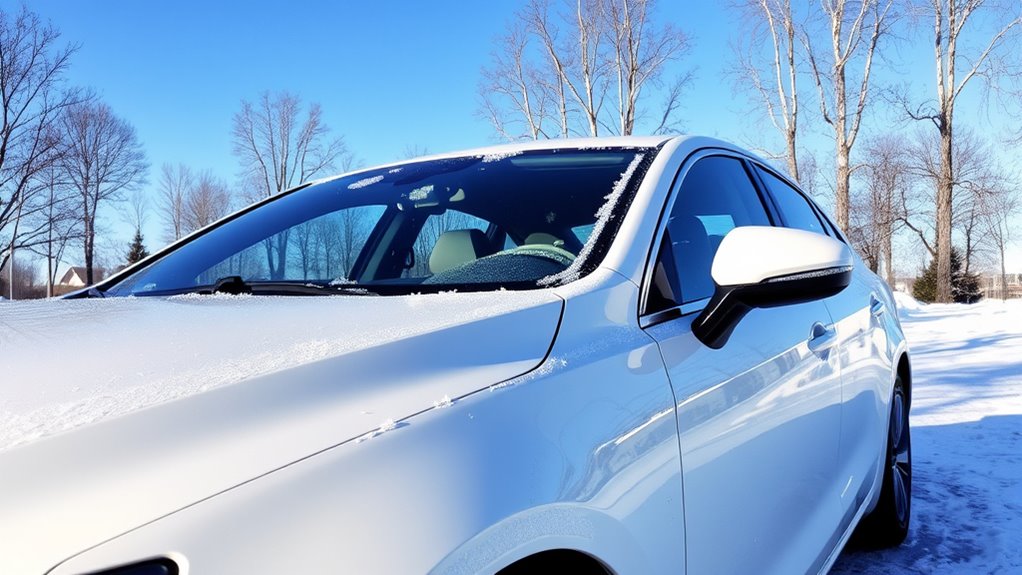
What Temperature Is Too Cold to Wash Your Car?
Many car owners know the frustration of trying to keep their vehicle clean during winter. You’re not alone—many people struggle with figuring out the best time to wash their car when the weather turns cold.
It’s a common concern that can leave you feeling unsure about what’s safe for your vehicle.
You should avoid washing your car when temperatures drop below freezing (32°F or 0°C), as water can freeze on the vehicle and cause damage to paint, seals, and locks.
The safest range is above freezing, ideally between 50°F and 70°F, to prevent ice buildup and guarantee proper cleaning.
If you want to know more about safe winter car care and tips, keep exploring for helpful guidance.
Key Takeaways
- Washing is unsafe below 32°F (0°C) because ice can form and water can freeze on your vehicle.
- The best temperatures for washing are between 50°F and 70°F. Below 32°F, the risks go up a lot.
- It’s best to avoid washing your car during freezing weather to prevent damage to the paint, glass, and rubber seals.
- Signs that it’s too cold include ice on the vehicle and water freezing immediately upon contact.
- Wait until daytime temperatures are above freezing for a safe and effective wash.
Is It Safe to Wash Your Car in Cold Weather?
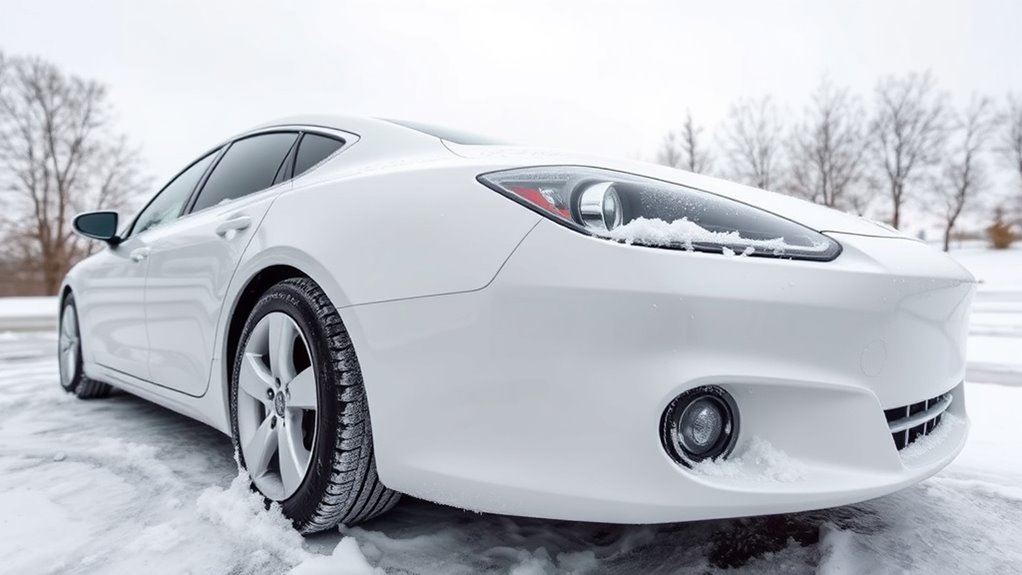
Washing your car in cold weather can be safe if you take proper precautions, but it’s important to be aware of potential risks. Cold temperatures, especially below freezing, can affect your car wash safety.
Washing your car in cold weather is safe if you take proper precautions and avoid freezing conditions.
If it’s freezing outside, water can quickly turn to ice, making surfaces slippery and risking damage to your vehicle’s paint or trim. Plus, water can freeze in locks, door seals, or other crevices, making it tough to get in or out later.
To stay safe, avoid washing your car during extreme cold without taking extra steps. Instead, try quick washes during warmer parts of the day or use touchless or hand washes made for winter conditions.
Always check the weather forecast before washing. If temperatures are near or below freezing, it’s better to delay until it warms up to prevent accidents or damage.
Being mindful of cold weather helps you keep your car safe and clean during winter months.
What Temperature Is Safe for Washing Your Car in Winter?
You can usually wash your car safely when the temperature is above 32°F, but it’s really best when it’s between 50°F and 70°F. Washing in colder weather can cause the water to freeze on your car, which might lead to damage or paint issues. So, it’s a good idea to avoid extreme cold when washing.
To keep your car in good shape during winter washes, try using warm water and make sure to dry it thoroughly afterward. That way, you’ll help protect your vehicle and keep it looking great all season long.
Optimal Temperature Range
The ideal temperature range for washing your car in winter is generally between 32°F (0°C) and 50°F (10°C). Staying within this range helps ensure the cleaning is effective and protects your vehicle’s paint and parts.
Washing within these temperatures minimizes the risk of water freezing on your car’s surface, in locks, or in crevices. Cold days below freezing can cause soap and water to freeze quickly, making it harder to clean thoroughly.
On the other hand, warmer temperatures in this range let the soap work better and dry faster. By sticking to this prime range, you support your car care routine and avoid damage from extreme cold.
Always check the weather forecast to pick the best time for winter car washing.
Risks of Cold Weather
Cold weather poses significant risks when washing your car below certain temperatures because water can freeze quickly on the surface and in vulnerable areas.
These cold weather effects can cause ice to form on your vehicle, making it harder to remove dirt and salt effectively. Ice buildup can also lead to frozen locks, door seals, and other parts, which complicates winter maintenance.
When water freezes on or inside your car, it can damage the paint, glass, and rubber seals. These risks get worse as temperatures drop further, making cold weather washing unsafe and often counterproductive.
To protect your vehicle and avoid costly repairs, it’s best to wait until temperatures are above freezing or use alternative cleaning methods designed for winter conditions.
Best Washing Practices
Washing your car in winter needs some extra care, especially with the temperature. Doing it when it’s too cold can actually do more harm than good.
To keep your vehicle safe, pick eco-friendly products made for cold weather. They’re gentle on your car’s finish and better for the environment.
Avoid washing when temperatures fall below freezing. Water can freeze on your car, damaging the paint or causing ice buildup.
For quick cleanups, use a warm, damp microfiber cloth instead of doing a full wash. If you need a deep clean, do it during the warmest part of the day.
And if possible, make sure your garage or carport is heated, so your car stays warmer during cleaning.
Following these tips will help keep your car looking great and prevent winter damage.
Signs That It’s Too Cold to Wash Your Car Safely
When temperatures drop considerably, you’ll notice certain signs indicating it’s unsafe to wash your car. One key sign is frozen water on your vehicle’s surface or around your work area, which suggests the temperature is too low for safe washing.
Frozen water on your car or surroundings signals it’s too cold to wash safely.
If water immediately freezes after contact or forms ice patches, it’s a clear warning that the environment isn’t suitable for car maintenance. You might also see ice buildup on door seals, locks, or other parts—washing can make these issues worse.
Another sign is if soap and water don’t rinse properly, leaving streaks or residue. These can damage your car over time. Ignoring these signs can lead to problems like frozen locks or worsening paint issues.
Always pay attention to these signs to protect your vehicle and keep your car maintenance safe and effective.
How Cold Weather Can Damage Your Car’s Paint and Materials
Extreme low temperatures can cause significant damage to your car’s paint and materials if you’re not careful. When it’s freezing outside, the paint protection can become compromised.
Cold weather makes paint more brittle, increasing the risk of chipping, cracking, or peeling if you wash or scrub too harshly. Materials like rubber and plastics become less flexible and more prone to cracking or breaking.
Moisture trapped beneath the paint or in tiny cracks can freeze, expanding and worsening the damage over time. Cold temperatures also reduce the overall material durability, making your car more vulnerable to corrosion and related damage.
Without proper precautions, exposing your vehicle to harsh winter conditions can speed up deterioration. Protecting your car’s paint and materials means avoiding unnecessary exposure to extreme cold.
This helps maintain the integrity of the paint protection and extends the lifespan of your vehicle’s key components.
Best Practices for Washing Your Car in Winter
To protect your vehicle’s paint and materials during the cold months, adopting proper winter washing techniques is key. For effective winter car care, wash your car on warmer days when temperatures are above freezing, ideally above 40°F.
Use cold weather maintenance tips like pre-wetting your vehicle to prevent water spots and using a gentle, pH-balanced soap designed for winter. Avoid hot water, which can crack glass or cause paint issues when combined with cold air.
Rinse thoroughly to remove salt and grime that build up during winter months. Dry your car completely with a microfiber cloth to prevent ice formation on door seals and locks.
Consider applying a wax or sealant before winter to add a protective layer. Regular washing prevents salt buildup that damages metal and paint.
Following these winter car care best practices helps preserve your vehicle’s appearance and functionality during harsh weather conditions.
Simple Tips to Prevent Freezing During and After Washing
Freezing can quickly undo your efforts after washing your car, but a few simple steps can keep your vehicle frost-free. First, drain and store your garden hoses and any equipment properly to prevent frozen hoses, which can burst in cold weather. Use insulated or heated hoses if you need to wash outside, and disconnect them after use.
To prevent ice buildup around your vehicle, dry it thoroughly, especially door seals and locks, to avoid trapped moisture that could freeze overnight. Applying a protective wax coat helps shed water, reducing ice formation.
Keep your garage or carport warm enough to prevent temperatures from dropping below freezing, especially during and after washing. Consider using portable heaters or heat lamps if needed.
Finally, cover your car with a breathable tarp or car cover to shield it from cold air and moisture. This helps prevent ice buildup and keeps your vehicle accessible and frost-free.
Effective Alternatives to Traditional Car Washing in Cold Weather
When the temperatures drop, traditional car washing methods often become impractical and risky because water can freeze on your vehicle and cause dangerous ice buildup. To avoid this, consider waterless solutions.
These sprays and wipes clean your car without needing hoses or buckets, reducing the risk of ice formation. Just spray or wipe down your car, and the solution lifts dirt and grime effectively.
Another smart option is applying protective coatings like wax or ceramic sealants before winter arrives. These create a barrier that repels dirt and water, making future cleaning quicker and easier.
They also help prevent road salt and grime from sticking, which reduces the risk of corrosion. Using waterless solutions and protective coatings allows you to keep your vehicle clean and in good shape without exposing it to freezing temperatures or ice buildup.
These alternatives are convenient, safe, and effective during cold weather.
Common Mistakes to Avoid When Washing Your Car in Winter
Many car owners make the mistake of washing their vehicles in winter without thinking about the risks. This can lead to damage or unsafe conditions.
One common mistake is using hot water during winter washing, because rapid temperature changes can cause the glass and paint to crack.
Rushing through the process or skipping thorough rinsing can leave salt and grime behind, which increases the risk of rust.
Another mistake is not drying the vehicle properly; trapped moisture in crevices can freeze and cause corrosion.
Using the wrong cleaning products, like regular soap instead of winter-specific cleaners, can harm your car’s finish or leave residues that attract dirt.
Finally, washing in direct sunlight might seem helpful, but it can cause soap spots and streaks in cold weather.
Being aware of these common pitfalls helps you avoid damage and keeps your winter washing safe and effective.
How to Wash Your Car Safely When Temperatures Drop
Washing your car in cold weather can be tricky, but using warm water can really help loosen up dirt more effectively. Just make sure the water isn’t too hot, so you don’t risk damaging your car’s paint or causing any cracks. It’s all about finding that sweet spot that gets the job done without causing problems.
Also, keep an eye on your locks and door handles. Moisture can freeze overnight, making them tough to open in the morning. To avoid getting stuck, try to dry these areas thoroughly after washing, or consider using a lock de-icer if you need to. Staying cautious with these little details can save you a lot of hassle and keep your car in tip-top shape during the winter months.
Use Warm Water Safely
As temperatures drop, using warm water becomes essential for safely washing your car without risking damage or freezing issues. Warm water helps loosen dirt more effectively and prevents water from freezing on your vehicle’s surface.
To ensure safe washing techniques, keep these tips in mind: Test water temperature with your hand before applying. Use a hose with adjustable temperature control if available. Avoid water that’s too hot, as it can damage paint or cause thermal shock.
Dry your car promptly after washing to prevent water spots and ice formation. Following these simple steps can make winter car washing safer and more effective.
Avoid Freezing Locks
Freezing locks can turn a simple car wash into a frustrating ordeal, especially when temperatures dip below freezing. To prevent this, focus on lock maintenance and ice prevention.
Before washing, spray your locks with a silicone-based lubricant or a lock de-icer spray to create a barrier against moisture. Keep your keys and locks dry, and consider using a lock cover or wrapping them with plastic wrap overnight if freezing temperatures are expected.
Avoid using hot water directly on locks, as rapid temperature changes can cause damage. Regularly maintaining your locks guarantees they stay functional and free of ice buildup.
When washing your car in cold weather, taking these simple precautions helps you avoid the hassle of frozen locks and keeps your vehicle accessible and secure.
When to Wait and Reschedule Your Car Wash to Protect Your Vehicle
Cold temperatures can do more harm than good when you wash your car, so it’s important to recognize the signs that it’s time to wait. Poor timing can cause ice to form or even damage your paint, putting your vehicle at risk.
Wait if temperatures are below freezing for several hours, as this increases the chance of ice buildup. Also, if the forecast predicts a quick drop in temperature after a warm day, it’s best to hold off.
Avoid washing your car during prolonged freezing temperatures or sudden temperature drops to prevent ice formation and damage.
If you notice frost or ice on your car’s surface before washing, that’s a good sign you should wait. Unsure if water will freeze quickly on your driveway? It’s better to delay.
Rescheduling your car wash helps you avoid creating more problems for your vehicle. If conditions aren’t ideal, wait until temperatures rise above freezing, usually during daytime hours.
Protect your vehicle by choosing the right time for a wash. This way, you can prevent costly damage caused by cold weather. Proper timing is key to keeping your car protected and lasting longer.
Frequently Asked Questions
Can Washing My Car in Freezing Temperatures Cause Engine Damage?
Washing your car in freezing temperatures is unlikely to cause engine damage directly, but it can affect your overall engine maintenance. Cold weather can make fluids thicker, strain the engine, and cause parts to contract.
If you wash your car and then drive into cold temperatures, water can freeze around components, potentially leading to problems. Always take precautions, like warming up your engine and avoiding excessive exposure to cold, to protect your vehicle.
How Does Cold Weather Affect the Effectiveness of Car Wash Soaps?
Cold weather reduces the effectiveness of car wash soaps because lower temperatures make the soap thicker and harder to spread.
Water can freeze quickly, especially if it drops below freezing, which prevents proper rinsing.
When the soap isn’t flowing smoothly and water freezes, your cleaning process becomes less effective, leaving dirt behind.
To avoid this, wash your car in milder weather or use specialized winter soaps made for cold conditions.
Is It Better to Wash My Car Indoors or Outdoors During Winter?
Washing your car indoors keeps you sheltered from winter’s icy grip, like a cozy fortress protecting your vehicle. Indoor washes prevent freezing water and make the process easier, especially when temperatures dip.
However, outdoor benefits include better rinsing and drying, which helps reduce streaks. If it’s bitter cold outside, it’s better to wash indoors to avoid ice formation.
Otherwise, outdoor washes can be just as effective if you do them carefully. Just be sure to dry your car thoroughly to prevent water spots.
What Temperature Should I Avoid When Washing a Car to Prevent Damage?
You should avoid washing your car when temperatures drop below 32°F (0°C), as cold weather can cause water to freeze and damage your vehicle.
During winter, stick to warm days and use proper car wash techniques like pre-soaking and using de-icing products. This helps prevent ice buildup and protects your paint.
Always dry your car thoroughly afterward to prevent frost or ice formation, keeping your vehicle in good shape.
Does Washing My Car in Cold Weather Help Prevent Rust and Corrosion?
Washing your car in cold weather doesn’t effectively prevent rust and corrosion. In fact, winter maintenance should focus on removing salt, dirt, and grime that speed up rust formation.
Cold water can freeze and trap moisture, which might cause more damage. To best protect your vehicle, wash it in milder temperatures, thoroughly rinse off road salt, and dry it completely.
Proper winter maintenance is key to preventing rust, not just washing in the cold.
Conclusion
When temperatures dip below freezing, washing your car feels like trying to catch snowflakes with bare hands—beautiful but risky.
While a clean car shines like a freshly fallen snow, rushing in cold weather can crack your paint or damage delicate materials.
Sometimes, the safest choice is to pause, let the frost settle, and wait for warmer days.
Protect your vehicle like a fragile snow globe. Gentle care guarantees it stays pristine through every winter storm, especially when temperatures are too cold to wash your car safely.