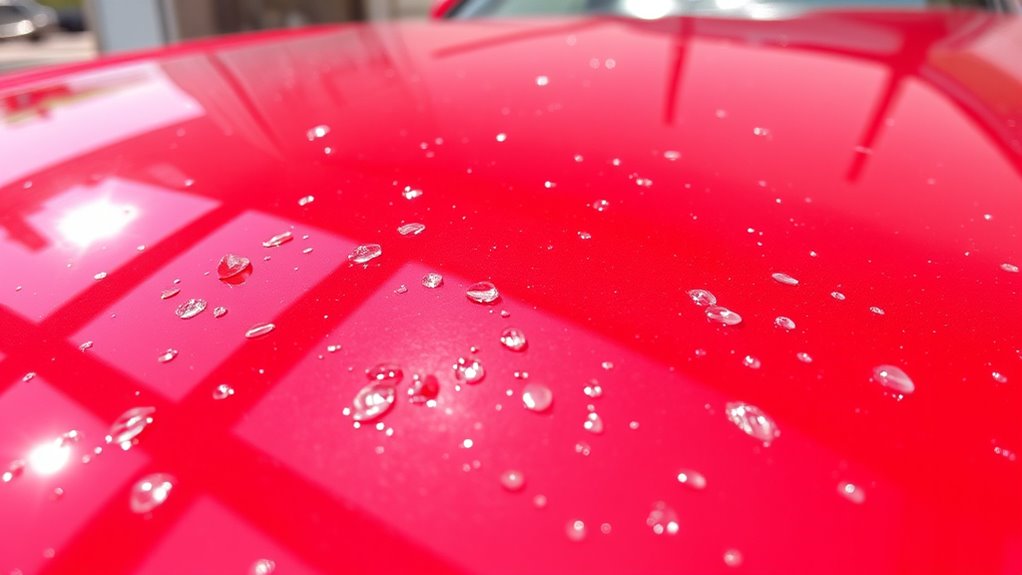
What Risks Does a Car Wash Pose to Paint Damage?
Many car owners worry about damaging their paint during a wash, and you’re not alone. Protecting your vehicle’s finish is a common concern, especially with so many different washing methods out there.
Car washes can risk damaging your paint if you use harsh chemicals, abrasive tools, or high-pressure jets. Automatic washes may trap dirt and scratch your surface, especially if brushes are worn or dirty.
Improper techniques like skipping pre-rinse or using rough sponges can cause micro-scratches or peeling. Environmental factors such as extreme heat or cold, plus dirty water, also pose risks.
Keep an eye out for signs of damage—and learn how to protect your car’s paint effectively.
Key Takeaways
- Using brushes or high-pressure jets improperly can cause tiny scratches and paint chips.
- Harsh cleaning chemicals and rough materials can strip away or dull the paint surface.
- Washing too aggressively or excessively can wear down the clear coat over time.
- Reusing dirty water or tools with debris can embed particles that scratch or damage the paint.
- Washing in extreme weather—hot, cold, or windy—raises the chances of water spots, freezing, or dirt getting stuck on the paint.
How Do Different Car Wash Types Affect Your Vehicle’s Paint?
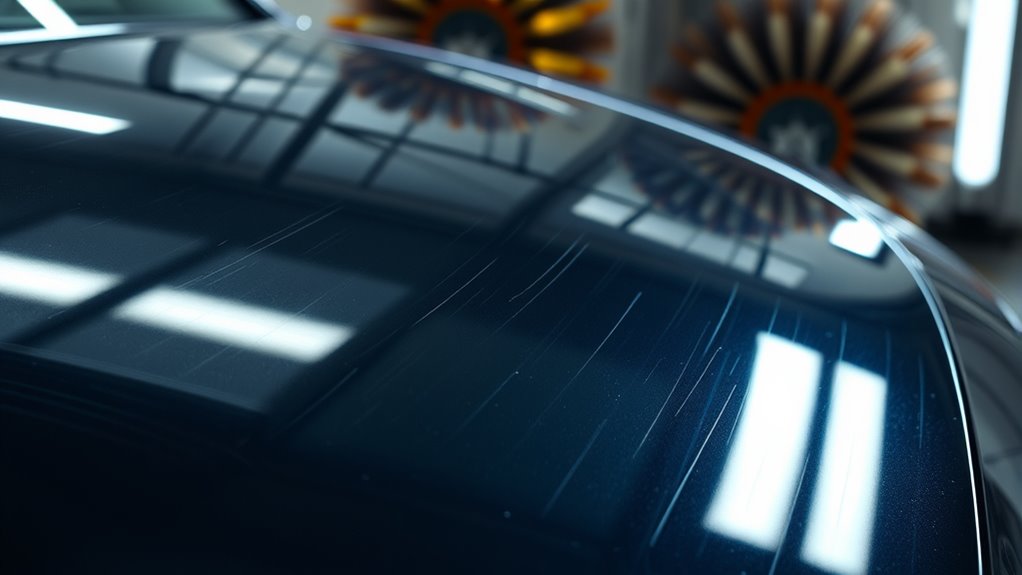
Different car wash types can really affect your vehicle’s paint, depending on how they’re done. Automatic, touchless, and hand washes each have their own impact on preserving paint.
Automatic washes often use brushes or cloth strips that can trap dirt and cause tiny scratches if not maintained properly. Touchless washes use high-pressure water and detergents, reducing physical contact and helping minimize damage.
Automatic washes may trap dirt and scratch your paint if not properly maintained.
Hand washing lets you control the process, using gentle techniques that better protect your paint. The frequency of washes also matters; washing too often, especially with harsh methods, can wear down the clear coat over time.
On the other hand, washing too infrequently lets dirt and contaminants build up, which can harm the paint. Picking the right wash type and washing schedule is key to keeping your car’s paint looking new longer and avoiding damage from abrasive cleaning.
Which Harsh Cleaning Agents in Car Washes Can Harm Your Paint?
Harsh cleaning agents in car washes, like really strong detergents and solvents, can actually do more harm than good. They can strip away the protective layer on your car’s paint and even cause it to fade over time.
Plus, some cleaners contain acidic or alkaline ingredients, which, if used too often or not properly, can eat into the paint and cause damage. And let’s not forget about abrasive materials, like rough sponges or brushes—they can scratch the surface and ruin that smooth finish you’re trying to keep.
Harsh Chemical Ingredients
Many car washes use cleaning agents that contain aggressive chemicals, which can quickly damage your vehicle’s paint if used improperly. Harsh chemical ingredients like strong solvents and degreasers can cause harmful reactions on your car’s surface, stripping away the protective clear coat and dulling the paint.
These chemicals might seem effective at removing dirt, but they often compromise your car’s paint longevity. Over time, repeated exposure to such aggressive agents speeds up paint deterioration, leading to cracking, fading, or peeling.
Being aware of the ingredients in your wash can help you avoid these risks. Choosing gentle, paint-safe cleaning products ensures your vehicle stays protected and maintains its shine longer, reducing the chances of costly repairs later on.
Acidic or Alkaline Agents
While cleaning agents with extreme pH levels might seem effective at removing stubborn dirt, they can also pose a serious threat to your car’s paint. Acidic agents, with low pH, can eat away at the clear coat, causing dullness and corrosion over time.
Conversely, alkaline cleaners with high pH can strip away protective layers, leading to uneven fading or discoloration. Using harsh agents disrupts the pH balance necessary for safe cleaning, leaving behind damaging residues that cling to the surface.
These residues can attract dirt and moisture, speeding up deterioration. To protect your paint, always choose products formulated to maintain a neutral pH and ensure thorough rinsing to prevent harmful cleaning residues from lingering.
Abrasive Cleaning Materials
Using abrasive cleaning materials during a car wash can quickly damage your paint if you’re not careful. These materials, like stiff brushes, scouring pads, or harsh scrubbing tools, can scratch or dull your vehicle’s surface.
Even gentle abrasive cleaners may wear down paint protection over time. When abrasive materials touch your car’s clear coat, they can create fine scratches that weaken the paint’s integrity and look.
To keep your car’s finish in good shape, avoid high-abrasion products and tools not made for automotive paint. Instead, choose gentle, non-abrasive cleaners and soft cloths or sponges.
Using these proper materials helps preserve your paint’s shine and extends the life of your paint protection.
How Bristle Brushes Can Scratch and Damage Your Car’s Surface
Bristle brushes can easily cause scratches and damage your car’s paint if you’re not careful. Over time, dirt and debris trapped in the bristles act like tiny abrasives, scuffing the surface.
Poor brush maintenance, like neglecting to clean or replace worn brushes, makes this worse. Plus, washing infrequently allows dirt to build up, increasing the risk of scratching when you do clean your car.
Here’s what you’re up against:
- Dirt caught in stiff bristles scratching the paint during washing.
- Worn-out brushes with frayed bristles that gouge the surface.
- Washing too often without proper brush care can cause more damage.
- Using brushes on rough or contaminated surfaces without rinsing first.
To prevent this, keep your brushes well-maintained, avoid excessive washing, and check and replace brushes regularly. Using proper technique and caring for your brushes is key to protecting your car’s finish from unnecessary scratches.
Does Washing Your Car the Wrong Way Scratch the Paint?
Washing your car the wrong way can actually lead to scratches on the paint, and nobody wants that. If you’re not careful with your techniques or if you use harsh cleaning tools, you might end up damaging the surface instead of cleaning it. That can make your car look dull and worn out over time.
Improper Washing Techniques
One common cause of paint scratches during car washes is employing improper techniques, which can easily happen if you’re not careful. For example, during hand washing, using the wrong water temperature can weaken paint or cause streaks.
Neglecting proper washing steps can also lead to scratches. Here are four common mistakes:
- Using hot water that damages the paint’s clear coat.
- Applying too much pressure when scrubbing, which can cause scratches.
- Skipping pre-rinsing, allowing dirt to scratch the surface during washing.
- Not using clean, soft mitts or cloths, which can trap debris and cause damage.
To protect your car’s paint, always wash with lukewarm water, use gentle motions, and verify your tools are clean and soft.
Use of Harsh Cleaning Tools
Using harsh cleaning tools can easily scratch your car’s paint if you’re not careful. Many car owners overlook how important it is to choose the right tools, which can lead to surface damage.
For example, abrasive sponges or scrub brushes made from rough materials increase the risk of scratches. It’s also important to think about how often you wash your car; doing it too often with harsh tools can cause damage over time.
Instead, go for soft microfiber cloths or sponges made specifically for cars. These materials gently lift dirt without scratching the paint. Remember, the key is to find a balance between cleaning frequency and gentle tools.
Using the right materials and avoiding aggressive scrubbing helps keep your car’s paint looking good and prevents costly damage down the road.
How Water Pressure and Dirty Water Can Harm Your Car’s Finish
When water pressure is too high or the water used is dirty, it can easily damage your car’s paint. Excessive pressure can create tiny scratches or even strip away the clear coat, leaving your car vulnerable to rust.
High water pressure or dirty water can damage your car’s paint and cause rust. Use caution and proper technique.
Dirty water, containing debris or contaminants, can cause streaks, swirl marks, or stains that dull your car’s finish. To picture the damage: high-pressure jets can chip paint if aimed directly at sensitive areas.
Dirty water deposits grime and grit, which can scratch as it flows over the surface. Residual debris in the water can embed into the paint, creating micro-abrasions.
Reusing or neglecting to change dirty water spreads contaminants, making the damage worse. Always check water pressure levels and verify the water is clean before washing.
Using proper techniques helps preserve your car’s paint and keeps it looking new longer.
How Dirt and Debris During a Car Wash Can Damage Your Paint
Dirt and debris can quickly damage your car’s paint if you’re not careful during a wash. When dirt builds up on your vehicle’s surface, it creates tiny scratches as you scrub or rinse, dulling the finish.
Debris impact, like small stones or grit, can chip or gouge the paint if it presses against the surface during cleaning. These particles act like sandpaper, gradually wearing down the clear coat and exposing the underlying paint to moisture and rust.
Even a gentle wash can cause damage if dirt and debris aren’t removed properly beforehand. Using improper techniques or skipping a thorough rinse can embed particles into the paint, making scratches worse over time.
To protect your car’s finish, always remove loose dirt and debris first. Consider using soft brushes or microfiber cloths. Proper pre-washing steps help prevent debris impact from causing costly paint damage.
Is an Automatic Car Wash Riskier Than Hand Washing?
Automatic car washes often use stiff brushes that can sometimes scratch your car, especially if there’s dirt or debris caught up in them. Plus, if the rinsing isn’t done thoroughly, you might end up with water spots on your paint.
On the other hand, when you wash your car by hand, you get to control each step of the process. That means you can be more careful, avoid using harsh brushes, and make sure all the soap and water are rinsed off properly. So, in many ways, hand washing can be less risky for your car’s finish.
Potential for Scratches
Many people think automatic car washes are better for their paint, but they can actually be risky. The brushes and cloths might carry dirt or debris, which can cause scratches if not properly maintained.
To reduce the chances of scratches and protect your paint, keep these points in mind:
Dirt and debris stuck in brushes can scratch your car’s surface during the wash.
Hard or worn brushes can cause micro-scratches over time, even if they seem gentle.
If the equipment isn’t cleaned or maintained properly, it increases the risk of surface damage.
Using high-pressure water jets can sometimes create tiny scratches, especially on delicate areas.
Use of Harsh Brushes
While hand washing can be gentle on your car’s paint if you’re careful, harsh brushes in automatic car washes can often cause damage. The type of brush material matters—a stiff or low-quality brush can scratch or dull your paint.
Many automatic washes use brushes that aren’t well maintained. They can collect debris or lose their softness over time, which raises the risk of paint damage. If not cleaned or replaced regularly, these brushes can transfer dirt and grit onto your car’s surface.
This abrasive contact can result in micro-scratches that weaken the protective layer of your paint. To reduce these risks, choose car washes that use soft, well-maintained brushes or opt for hand washing for better control and gentleness.
Water Spot Formation
Water spots often form when mineral-rich water evaporates quickly on your car’s surface, leaving deposits that can mar the paint. Automatic car washes might increase the risk of water spots because of fast drying times and leftover mineral deposits.
To avoid this, dry your car promptly with a microfiber towel after washing. Using water spot removal products designed for quick and effective treatment can also help.
Applying a paint sealant or wax creates a barrier against mineral deposits, reducing the chances of spots forming. Opt for hand washing in shaded areas to prevent quick evaporation and mineral buildup.
Prevention techniques are key to keeping your car’s paint looking great. Regularly clean and inspect your vehicle so you can catch water spots early and maintain a pristine finish.
How Environmental Factors During a Car Wash Can Cause Damage
Environmental factors during a car wash can significantly affect your vehicle’s paint if you’re not careful. Weather conditions are a big part of this impact.
For example, washing your car in extreme heat can cause water to evaporate quickly, leaving soap residues and streaks that might damage the paint over time. On the other hand, cold weather increases the risk of water freezing on the surface, which can lead to paint cracking or peeling.
Wind can blow dirt, debris, or even harsh chemicals onto your car during the wash, scratching or dulling the paint. Humidity and air pollution also play a role by depositing pollutants that can stick to the surface and cause corrosion or staining if not rinsed away properly.
Knowing how these environmental factors affect your car helps you pick the best time and conditions for washing. This way, you can reduce the chance of paint damage and keep your vehicle looking its best.
Signs Your Car’s Paint Has Been Damaged in a Car Wash
After a car wash, it’s important to check your vehicle carefully because paint damage can be subtle and easy to miss. Spotting these signs early helps you decide if you need paint restoration or just better scratch prevention.
Here are four common signs to look for:
- Fine scratches or swirl marks that catch the light.
- Small, dull spots or areas where the paint looks hazy.
- Flaking or peeling paint around panel edges.
- Visible streaks or uneven patches on the surface.
If you notice any of these, it’s smart to address them quickly to prevent more damage. Regularly inspecting your car helps keep its appearance sharp and can save you from costly repairs later. Staying vigilant also helps prevent scratches and keeps your vehicle looking great after every wash.
How to Protect Your Car’s Paint During Every Car Wash
To protect your car’s paint during every wash, start by choosing the right tools and products. Use a high-quality, pH-balanced car wash soap designed for paint protection. Harsh soaps can strip away protective layers, so pick wisely.
Opt for soft, microfiber wash mitts or cloths that gently remove dirt without scratching the surface. Avoid automatic brushes or abrasive sponges, which can cause micro-marring.
Keep your wash frequency reasonable. Washing too often, especially with improper techniques, increases the risk of damage. Always rinse thoroughly to remove dirt and debris before applying soap.
Dry your car with a clean microfiber towel to prevent water spots and streaks. Applying a wax or paint sealant periodically creates a barrier against contaminants and boosts protection.
Regular, careful washing with the right products and tools helps preserve your paint’s integrity. It keeps your car looking its best longer and protects the finish from damage.
Frequently Asked Questions
Can Using the Wrong Soap Permanently Damage My Car’s Paint?
Using the wrong soap can permanently damage your car’s paint because its composition might be too harsh or abrasive. Cheap or improperly formulated soaps strip away paint protection, leading to dullness, scratches, or peeling over time.
To avoid this, choose a soap specifically designed for cars. Make sure it’s gentle yet effective so you don’t risk harming your paint.
Proper soap selection helps preserve your paint’s shine and prevents long-term damage. This keeps your car looking its best for years to come.
Are There Specific Car Wash Equipment That Are Safer for Paint?
You should look for car wash equipment like touchless systems and foam cannons, as they’re safer for your paint. Touchless systems wash your car without brushes, which helps reduce scratching risks.
Foam cannons apply thick soap layers gently, providing a thorough clean without contact. Both options help minimize potential damage and keep your car’s paint looking great.
Always choose high-quality equipment and avoid harsh brushes to protect your vehicle’s finish and maintain its appearance.
How Often Should I Wash My Car to Prevent Paint Damage?
You should wash your car every two weeks or follow the manufacturer’s recommended frequency to keep it shiny without risking paint damage.
Use gentle wash techniques like soft sponges and two-bucket methods to avoid scratches.
Skipping washes lets dirt and grit build up, turning your car into a dirt magnet. Over-washing, on the other hand, can wear down the paint.
Finding the right balance is key. Regular, careful cleaning will keep your car looking flawless and protected.
Does Weather Impact the Risk of Paint Damage During Washing?
Weather really affects the risk of paint damage when you’re washing your car, especially with sun exposure and temperature extremes.
Hot, sunny days can cause soap and water to dry too quickly, leaving behind residues or streaks that can harm your paint.
Cold or freezing weather might make your car more prone to cracking or peeling during washing.
It’s best to wash your car in moderate temperatures and avoid direct sunlight to keep your paint safe.
Can Improper Drying Techniques Cause Paint Scratches?
Yes, improper drying techniques can cause paint scratches. Using rough or dirty towels, or aggressive drying methods, can damage your car’s paint.
Instead, choose soft, clean microfiber towels and gentle drying methods like blotting or patting. Avoid dragging towels across the surface.
Always make sure your drying tools are free of debris to protect your paint from damage. Taking these simple steps can help keep your car’s finish looking great.
Conclusion
To keep your car’s paint looking its best, always choose gentle washes and avoid harsh chemicals or abrasive tools. Using rough sponges or high-pressure water can scratch or strip away the paint, so be careful.
Pay attention to proper techniques, like using soft sponges and low water pressure, to prevent damage. These small steps make a big difference in protecting your vehicle’s finish.
Remember, a stitch in time saves nine. Taking care now helps you avoid costly repairs later. Regular, gentle washes are the key to maintaining your car’s paint.
By staying vigilant and informed about the risks a car wash can pose to paint damage, you can ensure every wash is a step toward preserving your vehicle’s beauty rather than risking a paint disaster.