
What Temperature Is Too Cold to Wash Your Car?
Many car owners struggle with figuring out the best time to wash their vehicle, especially during colder months. You’re not alone—cold weather can make this task tricky and even risky.
You should avoid washing your car when temperatures dip below freezing, especially under 32°F, because water can freeze quickly and cause damage.
The safest range is between 50°F and 70°F, where freezing and quick evaporation are less likely.
If it’s colder or near freezing, water and soap can freeze, leading to ice buildup and paint damage.
Want to know more tips for cold-weather car cleaning? Keep exploring to find out how to do it safely.
Key Takeaways
- Washing below 32°F risks water freezing on the vehicle, causing ice buildup and potential damage.
- Temperatures under 50°F increase freezing risks and make cleaning less effective.
- The best temperatures for washing are between 50°F and 70°F for safe, thorough cleaning.
- Cold weather with wind chill can make it feel even colder, raising the chance of freezing.
- When it’s below 45°F, it’s better to limit washing or take precautions to avoid freezing.
Is It Safe to Wash Your Car in Cold Weather?
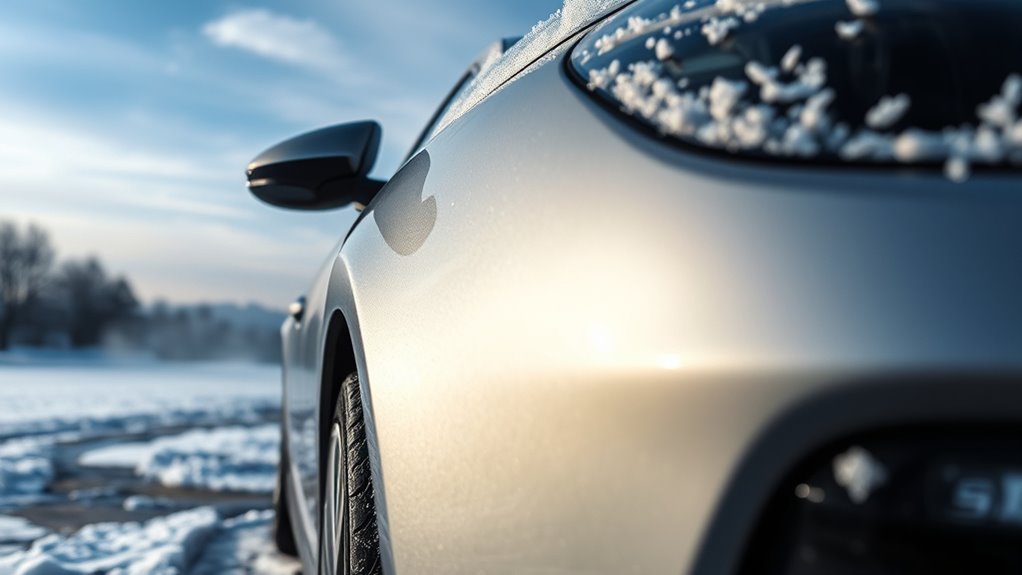
Washing your car in cold weather can be safe, but there are important things to think about. During winter, taking care of your car properly is key to avoiding damage.
Cold temperatures can make water freeze quickly, which can cause ice to build up on your vehicle or freeze in door locks. If you decide to wash outside, do it during a warmer part of the day to reduce freezing risks.
Using lukewarm water is better than hot or cold water. It helps prevent paint damage and freezing problems. Be careful around parts like locks and door seals, which can freeze if they get wet.
Regular winter washing helps remove salt and grime that can cause rust and corrosion. Just remember to dry your car thoroughly afterward.
Avoid washing if temperatures are well below freezing to keep your car in good shape. Proper winter care makes all the difference.
What Is the Ideal Temperature Range for Washing Your Car?
| Temperature Range | Ideal Conditions | Potential Issues |
|---|---|---|
| Below 50°F | Cold, increased risk of freezing | Soap may freeze, streaks form |
| 50°F – 70°F | Most suitable for cleaning | Minimal issues |
| Above 70°F | Warm, quick evaporation | Water spots, soap drying too fast |
Sticking within this temperature range guarantees the best results, minimizes temperature effects, and helps keep your car’s finish looking great.
Avoid washing outside these conditions to prevent uneven cleaning and potential damage.
How Cold Is Too Cold to Wash Your Car?
At what temperature does washing your car become problematic? Once temperatures drop below freezing, it can be risky for your car care and winter maintenance routines. Cold weather affects how and when you should wash your vehicle. Here are four key points to consider:
- Below 32°F (0°C): Water can freeze quickly on your car, leading to ice buildup and possible damage.
- Between 32°F and 45°F (0-7°C): You can wash your car, but you need to act fast to prevent water from freezing on surfaces.
- Wind chill factors: Even if the temperature is above freezing, wind can make it feel much colder, increasing the chance of water freezing.
- Type of water used: Hot water helps prevent freezing, but if the temperature is too low, timing and awareness are essential for safe washing.
Why Washing Below Freezing Can Damage Your Car
When temperatures dip below freezing, washing your car can actually do more harm than good. Cold weather makes water freeze quickly, which can cause damage during winter maintenance.
As ice forms, it expands in tiny cracks and crevices, making existing chips or scratches worse. This can leave your vehicle more vulnerable to rust and corrosion over time.
Here’s a quick look at how freezing temperatures affect car care:
| Effect | Explanation | Result |
|---|---|---|
| Frozen water in locks | Water freezes and jams locks, making them unusable | Lock damage |
| Ice in door seals | Seals freeze, causing tears or deformation | Seal failure |
| Cracked paint | Freezing causes paint to contract and crack | Paint damage |
| Frozen washer fluid | Fluid thickens or freezes, blocking spray | Reduced visibility |
| Expansion of ice | Ice expands in cracks, worsening damage | Structural deterioration |
Proper winter maintenance helps avoid these issues and keeps your car in good shape longer.
Signs That Temperatures Are Too Low to Wash Safely
As temperatures drop, washing your car outdoors becomes riskier. Even slight dips below freezing can cause water to freeze quickly on the surface.
Look for signs that the temperature is too low to wash safely. For example, if ice stays on your car after washing, it means it’s too cold.
If water instantly freezes when it contacts your car, that’s another warning sign. It shows the weather is too cold for safe washing.
Frost forming during or right after washing is also a clear indicator. Cold weather precautions aren’t being met, so it’s best to wait.
Finally, if you feel too cold or the air is below freezing, it’s a good idea to postpone washing.
When you see these signs, wait for warmer weather. It helps protect your car and ensures a safe, effective clean.
Risks of Washing Your Car in Freezing Temperatures
Washing your car when it’s freezing outside might seem like a good idea, but it actually comes with some risks. For one, water can get into tiny cracks and crevices and then freeze. That ice can cause damage to your car’s paint or even parts of the body over time. It’s not just about the damage though—handling equipment on icy, slippery surfaces can be pretty dangerous too.
Freezing Water Damage
Frost can quickly turn a simple car wash into a costly mistake if the water freezes on your vehicle or the ground nearby. When water freezes, it expands, which can cause serious damage to your car’s parts.
For example, water trapped in door seals can freeze, making doors difficult to open or causing tears. Water on the undercarriage can turn to ice, stressing components and potentially cracking the frame.
Excess water near frozen ground risks seeping into cracks, expanding, and damaging the paint or metal. Frozen pipes in your vehicle’s systems may burst if water inside them freezes, leading to costly repairs.
Always wait for warmer temperatures to avoid water expansion and prevent freezing-related damage.
Safety Hazards Increase
When water freezes on your vehicle, it creates serious safety risks for both you and others. Frozen surfaces can turn into slippery, dangerous patches that are easy to miss.
A quick wash might seem harmless, but icy spots hide hazards. Falling or slipping can cause injuries or accidents, especially if you lose control on icy ground.
Here’s a reminder of the dangers:
| Hazard | Effect | Example |
|---|---|---|
| Frozen surfaces | Loss of traction | Slipping while walking or driving |
| Slippery conditions | Increased chances of falls | Falling while washing |
| Hidden ice | Unexpected slips | Losing balance near the car |
| Cold exposure | Frostbite or hypothermia | Working in freezing weather |
| Reduced visibility | Accidents while driving or walking | Skidding on icy roads |
Stay safe: avoid washing your car in freezing temperatures.
Tips for Washing Your Car Safely When It’s Cold
Washing your car in cold weather can be tricky, but with the right approach, you can do it safely without any hassle. The key is to use proper techniques that help prevent ice from forming and also keep your paint looking great.
First off, make sure to pick cleaning products that are designed for cold weather. Regular soap and water might freeze or cause damage when it’s really cold outside, so look for those specifically made for winter conditions. These products are formulated to work well even in low temperatures and won’t freeze up on you.
Finally, take your time and be gentle. Rushing through the process can lead to issues like ice buildup or paint damage. By following these simple tips, you’ll keep your car clean and protected, no matter how chilly it gets outside.
Use Proper Washing Techniques
Washing your car in cold weather needs careful technique to avoid damage and get it really clean. Focus on these key steps.
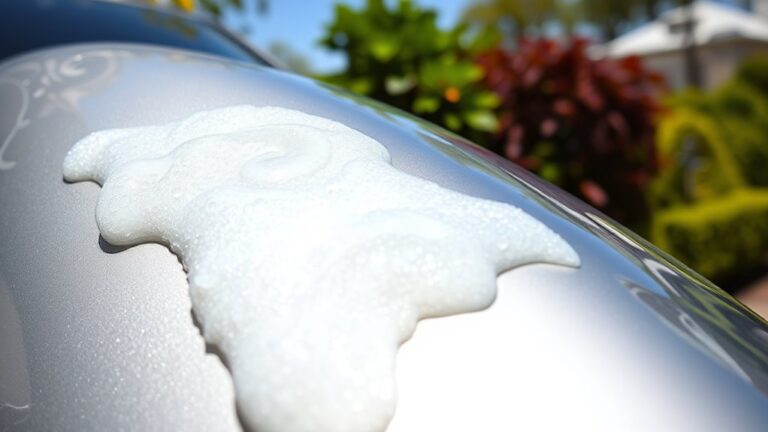
First, use gentle foam to loosen dirt without scratching the paint. It’s a safe way to lift grime without harming your car’s finish.
Next, rinse thoroughly to remove soap and debris. This helps prevent streaks when you dry the car.
When drying, use techniques like patting with microfiber towels. This avoids water spots and stops freezing from water freezing on the surface.
Keep your cleaning tools warm and dry. This prevents ice from forming and keeps your tools effective.
Applying foam properly lifts dirt smoothly, and careful drying stops freezing and water spots. Don’t rush the process, and try to work in bright, covered areas when you can.
These methods protect your car’s finish and make washing in cold weather safer and more effective.
Choose Cold Weather Products
Choosing the right products is essential for safe and effective car washing in cold weather. Cold weather products, like specially formulated winter washing supplies, help prevent ice formation and protect your vehicle’s paint.
Look for soaps labeled as “de-icing” or “winter-safe,” which are designed to work at lower temperatures without leaving streaks or residue. Avoid regular car wash soaps that may freeze or become less effective when it’s cold outside.
You can also use rinse aids or water additives that lower the freezing point to keep your water from turning into ice during the wash. Investing in quality cold weather products makes washing safer and more efficient.
This way, your car stays clean without risking damage from ice buildup or ineffective cleaning solutions.
What Are Better Alternatives to Washing Your Car in Winter?
During winter, traditional car washes can do more harm than good, as freezing water can cause damage and dirt can freeze onto your vehicle’s surface. Instead, focus on alternative methods to maintain your car’s winter care. Here are four effective options:
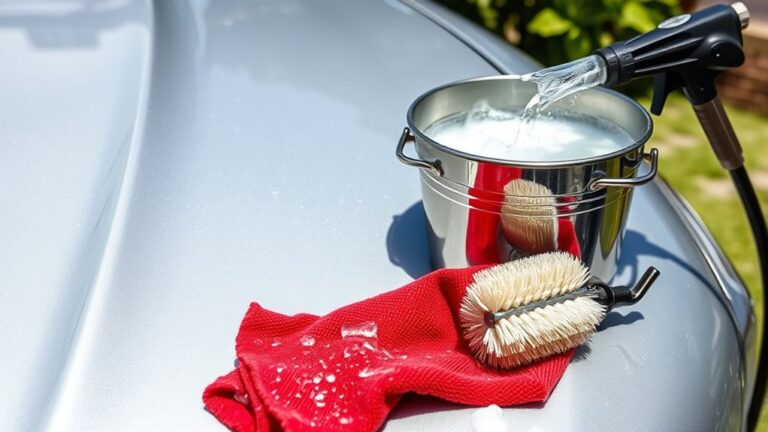
- Dry Washing: Use a microfiber cloth or a detailing brush to remove loose dirt and snow without water.
- Spot Cleaning: Tackle specific spots like salt stains with a damp cloth and a mild cleaner designed for winter conditions.
- Waxing and Sealants: Apply a good-quality wax or sealant before winter to create a protective barrier that repels dirt and moisture.
- Regular Inspection: Frequently check for salt buildup or ice accumulation, removing debris promptly to prevent corrosion.
These alternative methods help protect your vehicle and keep it clean during cold weather. They’re a smart part of winter care, reducing the risk of damage caused by freezing water and harsh conditions.
How to Protect Your Vehicle When You Must Wash in Cold Weather
When winter makes traditional washing risky, sometimes you have no choice but to clean your vehicle in cold conditions. To protect your car, start by washing it on a mild day or during warmer daylight hours. Use warm water, never hot, to help loosen dirt without causing rapid freezing.
After washing, dry your vehicle thoroughly with a microfiber towel to prevent ice formation on the surface. Applying a quality car wax after washing creates a protective barrier, shielding your paint from salt and road grime during winter.
This step is a key part of winter maintenance, helping preserve your vehicle’s finish and preventing corrosion. Avoid using harsh chemicals or abrasive tools that can damage the paint or expose metal to moisture.
Always make sure the garage or covered area is free of ice and snow before beginning. These precautions help protect your vehicle and keep it in good shape despite the cold weather.
When to Wait for Warmer Days to Wash Your Car Properly
Waiting for warmer days to wash your car can actually make a big difference. When it’s cold outside, ice can form on your car’s surface and in those tiny crevices, and that can cause damage when you try to wash it. Plus, cold temperatures tend to reduce how well your detergent works, so you might not get your car as clean as you want.
It’s usually best to wait until the weather is milder. That way, you can give your car a proper, thorough cleaning without worrying about ice or the detergent not doing its job. Patience really pays off for a safe and effective wash!
Ice Formation Risks
Ice formation poses a serious risk when washing your car in cold temperatures because water can quickly freeze on the surface, creating dangerous ice patches. To prevent this, focus on frost prevention and ice melting strategies.
Avoid washing during freezing temperatures; wait for warmer days.
Use de-icing sprays or salt-based solutions to reduce ice buildup.
Dry your car thoroughly after washing to prevent lingering water from freezing.
Park your vehicle in a garage or sheltered area to limit exposure to cold air.
Detergent Effectiveness
Cold temperatures can really cut down on how well your car’s detergent works. When it’s chilly, the detergent can’t clean as effectively because the cold makes it harder to break down dirt and grease.
This temperature effect means cleaning solutions might not dissolve properly, which can cause streaks or missed spots. Plus, cold water makes soap less sudsy, so it doesn’t clean as well.
If you wash your car in freezing weather, you might need to use more product or do multiple washes to get it clean. For the best results, it’s usually better to wait for warmer days when the detergent can do its job properly.
That way, your car will come out cleaner and streak-free.
Frequently Asked Questions
Can Washing Your Car in Winter Cause Paint Damage?
Washing your car in winter can potentially cause paint damage if not done properly, especially when it’s freezing outside. Cold water can make your car’s wax protection crack or peel, which can reduce the paint’s durability.
To avoid this, try to wash your car when temperatures are above freezing. Also, make sure your car is protected with a good wax coating. Proper timing and care can help keep your car’s finish intact without risking damage from harsh winter conditions.
Does Cold Weather Make Car Soap Less Effective?
Think of cold soap effectiveness like a slow-burning fire. Chilly conditions can dampen its power. When temperatures drop, your car soap becomes less effective because cold water reduces its ability to break down dirt and grime.
To counter this, try winter wash techniques like using warmer water, working in a garage, or choosing specially formulated winter soaps. These steps help ensure your wash still cleans well, even when it’s freezing outside.
How Does Freezing Water Affect Your Car’s Finish?
Freezing water can damage your car’s finish by causing paint protection issues. When water freezes on your car, it expands, which can lead to paint cracks or chips.
If you see frozen water on your vehicle, try to avoid washing it or exposing it to cold temperatures. Doing so can make the damage worse.
Instead, wait until the weather warms up. This helps prevent costly repairs and keeps your car’s exterior looking good.
Are There Specific Cleaning Products for Winter Washes?
Think of your car’s winter cleaning as a shield against the cold, and specialized winter cleaning products are your armor.
You should look for frost-resistant formulas designed for winter washes, which help prevent ice formation and damage.
These products are formulated to work effectively in lower temperatures, ensuring your car stays clean and protected despite the icy grip of winter.
Using the right products keeps your vehicle resilient through the cold.
Can Washing in Cold Weather Improve Your Car’s Appearance?
Washing your car in cold weather can actually improve its appearance if you do it properly. Cold weather helps prevent water spots and streaks, making your car look cleaner and shinier.
It’s a good part of winter detailing, especially when combined with regular car maintenance. Just make sure you use the right products and avoid freezing temperatures that could damage your vehicle or wash equipment.
Conclusion
Knowing when to hold off on washing your car is like reading the weather forecast—trust it before you take the plunge.
Cold temperatures can turn your car wash into a recipe for damage, so wait for milder days or opt for alternative cleaning methods.
Your vehicle’s health is worth the wait, so think of winter washing as a delicate dance—timing and temperature are your best partners to keep your car shining without risking the cold’s icy grip.
When the temperature drops below about 32°F (0°C), it’s generally too cold to wash your car safely. Water can freeze on the surface, causing ice spots or damage.
If you really need to clean your car in winter, consider using a quick rinse or spot cleaning with a damp cloth instead of a full wash.
Remember, knowing what temperature is too cold to wash your car helps protect your vehicle and keeps it looking great all winter long.