How Much Does It Cost to Open a Car Wash?
Thinking about opening a car wash but feeling overwhelmed by the costs? You’re not alone—many people struggle with figuring out how much it really takes to get started.
Whether you’re dreaming of a simple self-service station or a high-tech automated system, understanding the expenses is key.
Starting a car wash costs between $100,000 and over $400,000, depending on the type, location, and equipment. Self-service washes generally need $100,000 to $300,000 for land and equipment, while automated systems can vary widely.
You’ll also need funds for permits, insurance, staff, and marketing.
Your total investment varies based on choices and location, but if you keep exploring, you’ll find tips to help plan your budget effectively.
Key Takeaways
- Startup costs for self-service car washes range from $100,000 to $300,000. Automated systems can cost between $50,000 and $400,000.
- Equipment, land, permits, and licensing fees all significantly impact the initial investment.
- The location you choose affects both costs and potential revenue, with high-visibility sites usually being more expensive.
- Ongoing expenses include maintenance, utilities, staffing, and marketing to keep the business profitable.
- Additional costs involve insurance, environmental compliance, permits, and promotional activities.
How Much Does a Self-Service Car Wash Cost to Start?
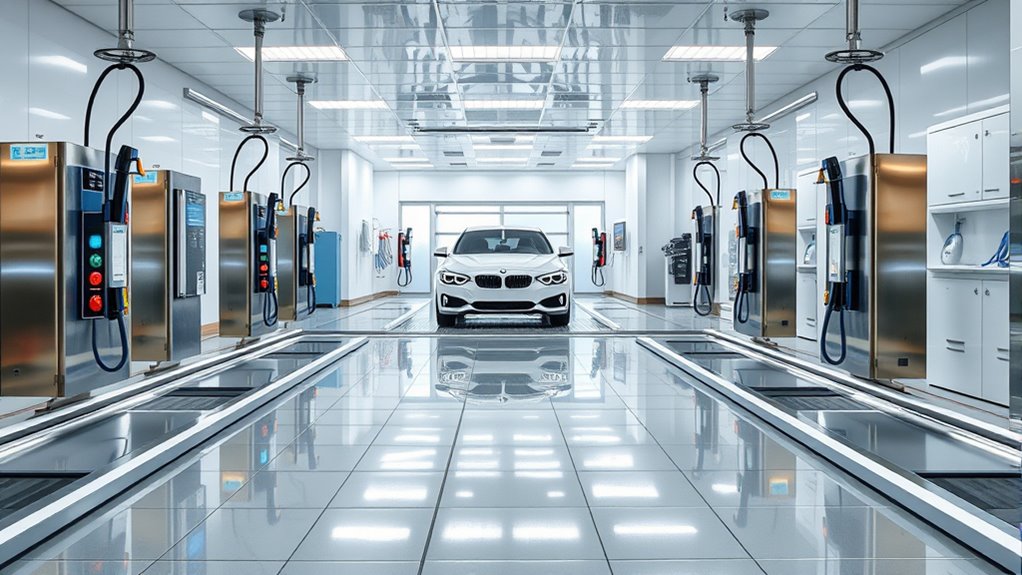
Wondering how much it costs to start a self-service car wash? The initial investment can vary based on the size and location, but you’ll generally need to plan for land, equipment, and permits.
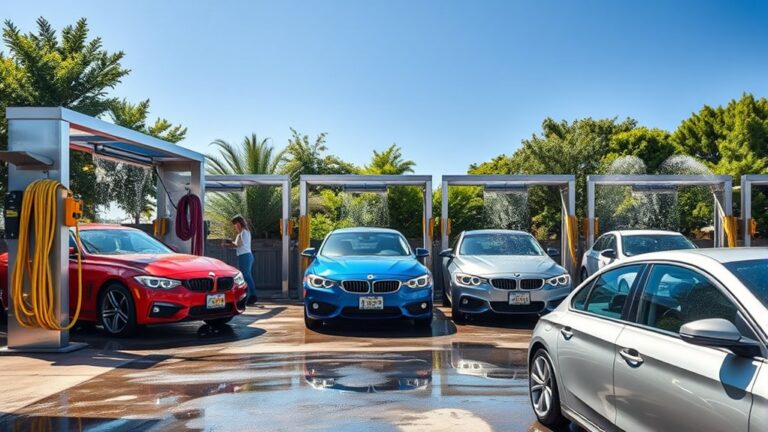
Self-service options usually include coin-operated bays, pressure washers, and vacuums. These appeal to customers looking for affordable, flexible cleaning options.
Your pricing should reflect your target market, local competition, and operational costs. Setting competitive prices encourages repeat business while covering your expenses.
Pricing should balance market, competition, and costs to attract customers and ensure profitability.
Keep in mind, you’ll need durable, easy-to-maintain equipment. Installation costs can add up quickly, so plan accordingly.
Don’t forget expenses like signage, lighting, and landscaping to attract customers. These details can make a big difference.
Overall, starting a self-service car wash can cost between $100,000 and $300,000, depending on scale and location.
Proper planning of your options and pricing strategies will help you find the right balance between profitability and customer satisfaction.
What Are the Expenses for an Automated Car Wash?
When you’re thinking about opening an automated car wash, one of the first things to consider is the cost of the equipment. These machines can be pretty expensive upfront, so it’s important to plan for that initial investment.
But it’s not just about the purchase price. You’ll also have ongoing expenses like maintenance, repairs, and operating fees, which can add up over time. Keeping track of these costs is key to making sure your business stays profitable.
Getting a good handle on both the initial and ongoing expenses will really help you plan your budget and keep everything running smoothly.
Equipment Investment Costs
Automated car wash equipment can be a significant part of your startup costs. Prices vary depending on the level of automation, features, and capacity you choose.
You’ll want to consider options like water reclamation systems, which are eco-friendly and can help reduce water usage and costs. High-end systems often include touchless technology, advanced drying, and chemical injectors, which can increase upfront expenses.
Here’s a quick breakdown to help you understand costs:
| Equipment Type | Cost Range | Features |
|---|---|---|
| Basic Automatic System | $50,000 – $100,000 | Basic wash, manual controls |
| Mid-Range System | $100,000 – $200,000 | Water reclamation, sensors |
| High-End/Touchless System | $200,000 – $400,000 | Eco-friendly options, automation |
Investing in quality equipment can really impact performance and customer satisfaction.
Maintenance and Operating Fees
Operating an automated car wash involves ongoing expenses that can greatly impact your profitability. To keep delivering high-quality service and encourage customers to come back, you need to consider several costs.
Regular equipment maintenance is essential to prevent breakdowns and ensure everything runs smoothly. Utility bills for water, electricity, and chemicals also fluctuate depending on how busy you are.
Staff wages for attendants and cleaning crews support the machine’s operation and customer service. These expenses are crucial for keeping your car wash efficient and providing a positive experience.
Consistent maintenance helps preserve service quality and encourages repeat business. Monitoring and controlling these costs can help maximize your profits while keeping your customers satisfied.
How Location Affects Your Car Wash Startup Budget
Your choice of location can really impact your car wash startup costs since different areas come with varying expenses and potential earnings. Doing a thorough location analysis helps you find spots with high visibility and easy access, which can attract more customers and increase your revenue.
Market research is key — it reveals neighborhood demographics, competition, and income levels, all of which affect your profitability and expenses. Prime spots like busy intersections or shopping centers usually have higher land or lease prices but can bring in more business.
On the flip side, less trafficked areas might cost less initially, but they could limit your customer flow. Finding the right balance is crucial for managing costs effectively.
What Equipment and Supplies Do You Need for Your Car Wash?
Setting up a car wash requires specific equipment and supplies to ensure everything runs smoothly and efficiently. You’ll need essential tools like high-pressure washers, water recycling systems, and reliable payment systems to handle transactions easily.
Customer amenities such as comfortable waiting areas, free vacuums, and eco-friendly options can really boost satisfaction and keep customers coming back. Incorporate water recycling to save water and cut costs while supporting environmental sustainability.
Consider installing eco-friendly cleaning products to appeal to eco-conscious customers. Make sure your equipment includes water recycling systems, payment systems that support contactless and mobile payments, and customer amenities like seating, refreshment stations, or free vacuums.
How Much Do Permits, Insurance, and Licenses Cost?
Getting the necessary permits, licenses, and insurance is a really important step when you’re opening your car wash. The costs can vary a lot depending on where you’re located and the specific requirements. It’s a good idea to look into the permit fees in your area, as they can differ from city to city or state to state.
You’ll also want to understand the licensing requirements that apply to your business. Sometimes, these can include special environmental permits or health and safety licenses, which might add to your costs. And don’t forget about insurance—coverage costs can depend on various factors like the size of your operation, the services you offer, and your location.
Getting a clear picture of these expenses upfront can help you budget more accurately and make sure you’re compliant from the get-go. It’s worth taking the time to research and plan so that these costs don’t come as surprises later on.
Permit Fees Overview
Securing the necessary permits, insurance, and licenses is a critical step in opening a car wash, and these costs can vary widely depending on your location.
You’ll need to understand the different permit types required, which often include building, environmental, and operational permits. The application process can be complex, involving paperwork, fees, and inspections.
Some key points to reflect on:
- Permit types differ based on local regulations and the scope of your car wash.
- Application fees can range from a few hundred to several thousand dollars.
- The process may involve multiple steps, including zoning approvals and environmental assessments.
Being thorough in understanding these costs helps you budget accurately and avoid surprises down the line.
Insurance Cost Factors
Insurance costs for a car wash can vary a lot depending on factors like location, size, services offered, and the coverage you choose.
Different types of insurance, such as general liability, property, and workers’ compensation, each impact your overall premium.
Risk assessments are key—they look at potential hazards like equipment damage, employee injuries, and environmental issues.
If your facility handles chemicals or wastewater, expect higher premiums because of increased liability risks.
Your coverage limits, deductibles, and safety measures also play a role in how much you’ll pay.
To keep costs manageable, shop around for quotes from multiple providers and consider bundling policies for discounts.
Knowing these factors helps you budget accurately and ensures your car wash is protected against unexpected events.
Licensing Requirements Breakdown
Understanding the costs associated with licensing requirements is key when planning your car wash budget, since fees can vary a lot depending on where you’re located and what you plan to do.
Navigating the licensing process means securing permits, meeting regulatory standards, and getting insurance. These costs can include application fees, environmental permits, and liability insurance premiums.
To succeed, you should research local, state, and federal licensing fees and rules. Make sure your operations follow environmental and safety standards.
Don’t forget to budget for ongoing renewal and compliance costs. These factors affect your overall startup expenses and help you avoid legal issues.
Getting a clear understanding of licensing requirements ensures your car wash stays compliant, reducing risks and setting a solid foundation for long-term success.
What Are the Building or Rental Costs for a Car Wash Space?
The cost of building or renting a space is a big factor when opening a car wash. It can vary a lot depending on where you are and how big the space is.
Building or renting costs depend heavily on location and space size.
When choosing a site, you’ll want to check local car wash zoning rules. These can affect what kind of structures and operations are allowed. Getting the right zoning approval is key to avoiding delays or costly changes later on.
Lease negotiations are also important. You’ll want to work out terms that fit your budget and growth plans. In busy areas, rent tends to be higher, but you’ll get more customers. On the other hand, a less crowded location might cost less but could limit your revenue.
Whether you’re building a new space or leasing an existing one, knowing these costs upfront helps you plan your budget better. This way, you can avoid surprises down the road.
Choosing the right site and negotiating smartly set a solid foundation for your car wash business.
How Do Staffing and Maintenance Impact Startup Costs?
Staffing and maintenance costs can greatly influence your startup expenses because they directly impact daily operations and long-term success.
Efficient staffing strategies help you control labor costs while making sure your service stays high quality. Proper training reduces errors and boosts customer satisfaction.
Scheduling routine maintenance is key to keeping equipment running smoothly. It also helps prevent costly breakdowns and downtime.
Neglecting regular upkeep can lead to expensive repairs that eat into your profits. Developing a clear staffing plan that matches staff levels with customer demand is essential.
Consider automation or self-service options to cut staffing needs without sacrificing the customer experience.
What Are the Marketing Expenses to Attract Customers?
Effective marketing is key to attracting customers and building a steady flow of business for your car wash. Your marketing expenses may include digital efforts like social media campaigns and search engine advertising, which help reach local audiences cost-effectively.
Local advertising such as flyers, billboards, and community sponsorships can boost visibility in your area. To foster customer loyalty, think about investing in referral programs and loyalty rewards that encourage repeat visits.
Local advertising boosts visibility; referral programs and loyalty rewards encourage repeat customers.
Promotional events and seasonal campaigns can draw attention during peak times or holidays, creating buzz and bringing in new clients. Developing strong branding strategies helps your car wash stand out and become recognizable in the community.
While marketing costs vary, allocating funds toward a mix of digital, local, and promotional efforts helps maximize your reach. Remember, consistent branding and engaging campaigns are essential for long-term customer retention and business growth.
How to Estimate Your Total Initial Investment?
Looking to figure out how much you’ll need to get started? Well, the first step is to estimate your total initial investment. This means adding up all the costs for equipment and the facility itself—think washers, dryers, and even the building where you’ll set everything up.
And don’t forget about those extra costs like permits and licensing fees. These are essential for making sure your car wash operates legally and smoothly. Getting a clear picture of these expenses right from the start helps you put together a realistic budget and plan for your new business.
Equipment and Facility Costs
Estimating your equipment and facility costs is a key step in figuring out your total initial investment for opening a car wash. You’ll need to look at the costs of essential equipment like wash arches, vacuums, and water recycling systems, as well as the expenses for building or leasing your space.
Choosing eco-friendly options, such as water recycling systems, might cost more upfront but can save you money over time. Investing in energy-efficient lighting and environmentally friendly cleaning products can also attract eco-conscious customers.
Permits and Licensing Fees
Once you’ve outlined your equipment and facility costs, the next step is to figure out the permits and licensing fees you’ll need to operate legally. You’ll want to identify the specific permits relevant to your location, like business licenses, environmental permits, and water discharge permits.
The licensing process can vary depending on local rules, so it’s important to research your city, county, and state requirements. Expect to pay initial application fees and, in some cases, ongoing renewal costs.
Be sure to budget for inspections and other compliance-related expenses, as these are often part of the licensing process. Knowing the permit types and procedures upfront helps you avoid delays and unexpected costs, making sure your car wash is fully legal from the start.
What Are the Ongoing Costs to Keep Your Car Wash Profitable?
Maintaining profitability at your car wash means managing ongoing expenses carefully. To stay profitable, focus on controlling costs while boosting your revenue.
Prioritize customer retention by providing consistent quality and excellent service. This encourages repeat business and helps your business grow.
Implement effective pricing strategies that match market conditions and customer expectations. This way, you stay profitable without turning customers away.
Key ongoing costs include utility bills like water, electricity, and gas. Also, don’t forget maintenance and repairs for your equipment, along with staff wages and training.
These expenses can add up fast, so it’s important to monitor them regularly. Cutting unnecessary costs and optimizing operations help keep your profit margins healthy.
Customer loyalty is crucial. Loyal customers tend to spend more and refer others, which increases your revenue.
Solid pricing strategies make sure you’re competitive but still profitable. Staying vigilant about these ongoing costs keeps your car wash thriving in a competitive market.
Frequently Asked Questions
What Financing Options Are Available for Opening a Car Wash?
You can explore financing options like equipment leasing, which helps reduce your upfront costs.
Consider franchise opportunities that often come with built-in support and funding help.
You might also look into small business loans, personal savings, or investor funding.
Each option has its benefits, so take the time to evaluate your financial situation and goals.
This will help you choose the best way to finance your car wash venture.
How Long Does It Typically Take to Break Even?
You can expect to break even within 6 to 12 months, but it varies based on your break-even analysis and several timeline factors. Fast locations, strong marketing, and efficient operations can make this happen sooner.
On the other hand, seasonal weather or high initial costs might extend that timeline. Keep a close eye on your revenue streams, expenses, and customer flow to speed up your path to profitability.
Patience and strategic planning are your best allies on this journey.
Are There Specific Local Regulations or Zoning Laws to Consider?
You need to check local permits, zoning restrictions, and environmental compliance before opening your car wash. Make sure to get the necessary business licenses and follow safety regulations and operational guidelines.
Local zoning laws might restrict where you can build or operate, so it’s a good idea to consult your city’s planning department. Meeting all these regulations will help you avoid fines, delays, and legal issues.
Staying compliant with all local laws ensures your business runs smoothly and avoids unnecessary headaches down the line.
What Are the Most Profitable Services to Offer?
Think of your car wash as a garden of opportunity. Your most profitable services are like blooming flowers.
Mobile detailing attracts busy customers who want convenience, making it a smart choice.
Eco-friendly products appeal to clients who care about the environment.
Offering these services not only boosts your revenue but helps you build a loyal customer base.
Focus on quality and sustainability, and your business will flourish.
This approach can turn your venture into a thriving hub of eco-conscious, mobile car care excellence.
How Can I Reduce Startup Costs Without Compromising Quality?
You can cut startup costs by leasing equipment instead of buying outright. This reduces initial expenses and keeps your cash flow flexible.
Buying bulk supplies like soaps and towels can lower your per-unit costs, saving you money in the long run. Focus on affordable, quality equipment and negotiate with suppliers to get the best deals.
These strategies help you maintain high standards without overspending, setting you up for a successful launch.
Conclusion
Starting a car wash might seem costly at first, but with careful planning, you can manage expenses effectively. Don’t let initial costs discourage you—consider starting small or opting for a mobile setup to test the waters.
As your business grows, reinvest profits to expand and upgrade your equipment. Remember, a well-executed plan and smart budgeting can turn your car wash into a profitable venture.
If you’re worried about high upfront costs, starting small or exploring mobile options can be a smart move. Ultimately, understanding the costs involved in opening a car wash helps set realistic expectations and guides your investment decisions.