7 Simple Steps to Wash Your Car Like a Pro
Getting your car looking spotless can feel overwhelming, especially if you’re new to car care or just want that professional shine at home. You’re not alone—many people struggle with figuring out the best way to wash their car efficiently and without streaks.
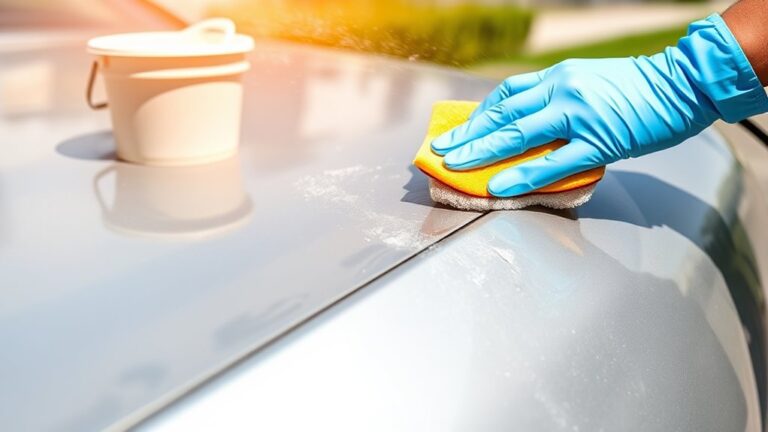
Start by gathering all your car washing supplies, including soap, microfiber mitts, brushes, and towels. Rinse your car thoroughly to remove loose dirt, then wash using the two-bucket method—one for soapy water, one for rinsing.
Clean the wheels and tires separately. Dry your car carefully to avoid water spots, and apply wax or sealant for shine and protection.
Finish with a detailed inspection and touch-ups for a flawless finish. Keep going, and you’ll master a professional car wash.
Key Takeaways
- Rinse the entire car thoroughly to remove loose dirt and debris before washing.
- Use the two-bucket method with car-specific soap to prevent scratching and ensure a gentle clean.
- Clean wheels and tires separately with specialized brushes for a thorough finish.
- Dry the car with microfiber towels, using gentle patting motions to prevent water spots.
- Apply wax or sealant in small sections, buffing to a smooth, glossy, and protective finish.
Gather Your Car Washing Supplies
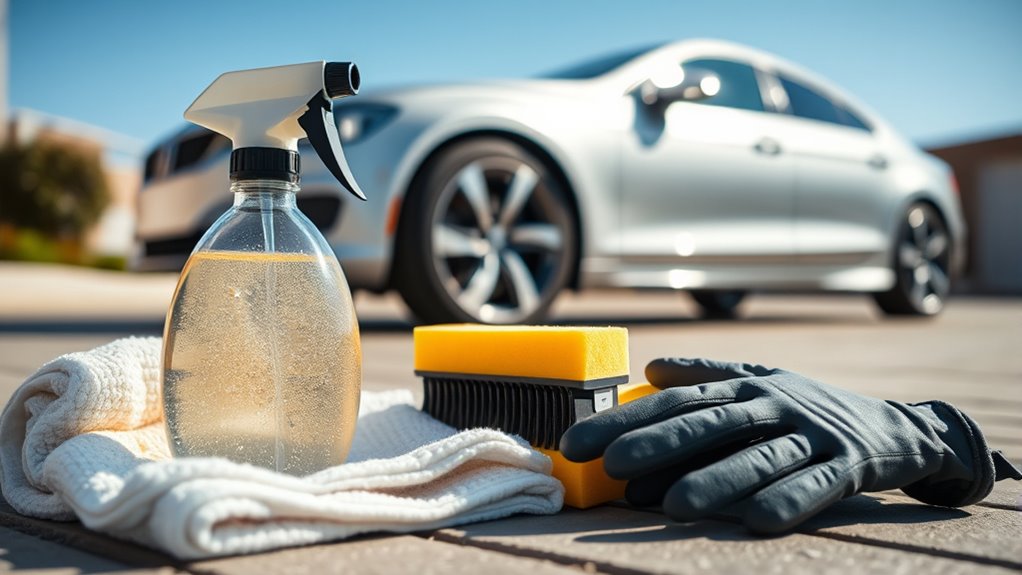
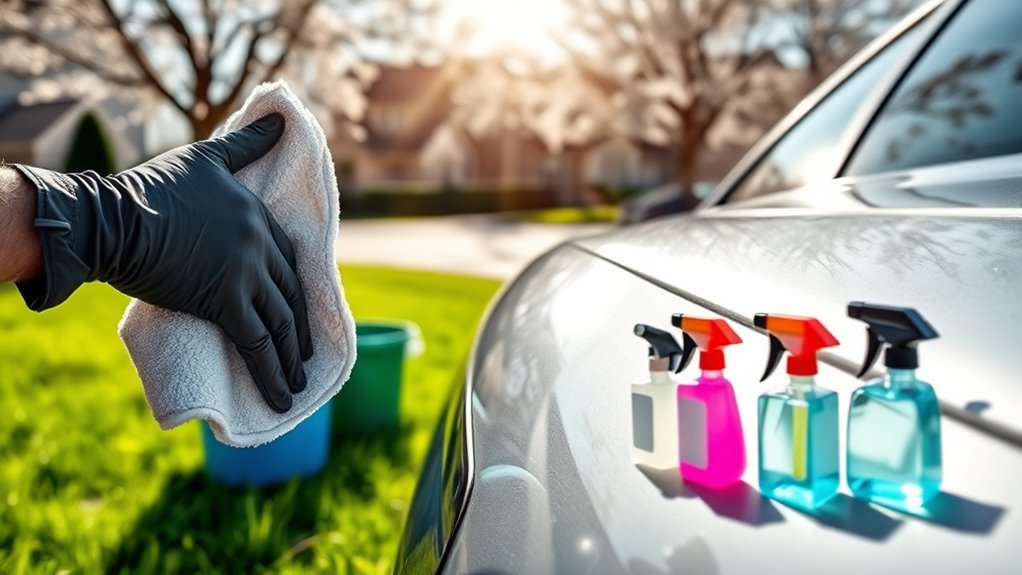
Before you start washing your car, it’s important to gather all the supplies you’ll need. Having the right car wash essentials makes the process easier and helps you get a professional-looking finish.
Begin with cleaning tools like a microfiber wash mitt, soft-bristled brushes, and a drying towel. These tools help you clean effectively without scratching the paint.
You’ll also need car-specific soap, which is gentler than household cleaners, and a bucket to hold your soapy water. Don’t forget a hose or pressure washer for rinsing.
Use a separate bucket for rinsing your cleaning tools to prevent dirt from spreading. If you want a streak-free shine, consider grabbing a spray wax or detailer.
Organizing your supplies before you start saves time and prevents interruptions mid-cleaning. Once you have your car wash essentials and cleaning tools ready, you’re all set to begin washing your vehicle like a pro.
Rinse Your Car Thoroughly Before Washing
Starting your car wash with a thorough rinse is key to removing loose dirt and debris that can scratch the paint during cleaning. It’s important because effective rinsing stops particles from grinding into the surface when you wash, protecting your car’s finish.
Use a hose with a spray nozzle to ensure even coverage. Rinse from top to bottom so dirt doesn’t get re-contaminated on cleaned areas. Be sure to focus on wheel wells and lower panels, where dirt tends to build up.
Use a spray nozzle, rinse top to bottom, and focus on wheels and lower panels for effective dirt removal.
Keep a clean, dedicated rinse bucket for stubborn spots. Use gentle, steady techniques to cover every area, including crevices and wheels. Make sure the water pressure is strong enough to loosen grime but not so high that it damages the paint.
Mastering these rinsing techniques guarantees your car is free of debris, making the next steps more effective and scratch-free.
Wash Your Car Using the Two-Bucket Method
Using the two-bucket method is one of the best ways to clean your car without scratching the paint. You’ll need one bucket for soapy water and another for rinsing your sponge or mitt.
Start with pre-wash techniques like removing loose dirt and debris. This helps minimize scratches. When filling your buckets, use warm water—hot enough to loosen grime but not so hot that it damages the paint.
| Bucket Type | Purpose |
|---|---|
| Soapy Water | Holds soap and cleans the car |
| Rinse Water | Rinses dirt off your sponge |
This setup makes sure dirt stays in the rinse bucket, stopping it from scratching the paint. Keep your water temperature steady, and regularly rinse your sponge in the clean water.
This method keeps your cleaning effective and safe for your car’s finish. It helps you achieve a thorough, scratch-free shine.
Clean Wheels and Tires Separately
To get your wheels and tires looking spotless, grab some specialized brushes. They’re great for reaching all those tricky crevices without scratching the surfaces. It’s a simple step that really makes a difference!
When it’s time to add that finishing touch, apply the tire shine evenly across your tires. It gives your car a clean, glossy look that really stands out. Just make sure to rinse everything thoroughly afterward to wash away any extra residue.
Cleaning and finishing your wheels and tires properly can totally transform your car’s overall appearance. It’s a small detail that makes a big impact!
Use Specialized Brushes
Equipping yourself with specialized brushes is essential for effectively cleaning wheels and tires. The right brush types let you adapt to different surfaces, ensuring thorough cleaning without damaging delicate areas. Use brushes with soft bristles for sensitive spots and firmer bristles for stubborn dirt, following proper cleaning techniques.
Maintaining your brushes through regular cleaning and drying extends their lifespan, preserving their effectiveness. When choosing brushes, prioritize ergonomic designs for comfortable scrubbing and specialized materials that resist wear. Good brush durability means they stay effective longer, saving you money.
- Select brush types suited for specific surfaces
- Practice effective scrubbing without excessive force
- Regularly clean and store brushes properly
- Opt for ergonomic designs for prolonged use
Apply Tire Shine Properly
After thoroughly cleaning your wheels and tires with the right brushes, it’s time to apply tire shine for a finishing touch. Make sure your tires are completely dry to prevent product runoff.
Shake the tire shine product well, then pour a small amount onto an applicator pad or sponge. Use even, circular motions to spread the product evenly across the sidewalls of the tire.
Be careful to avoid overspray onto the wheel surface to prevent streaks or buildup. For a more intense shine, apply multiple coats, letting each layer dry briefly.
Proper application not only enhances the look but also protects your tires from cracking and fading. Take your time to ensure each tire gets a uniform, clean finish for a professional appearance.
Rinse Thoroughly After Cleaning
Since wheels and tires often gather different types of grime, rinsing them separately ensures a more thorough clean. Use high water pressure to effectively wash away dirt and debris, making sure no residue is left behind.
Pay attention to your rinsing technique—move the nozzle in a controlled, circular motion to cover all areas evenly. When rinsing, focus on these key points:
- Use targeted water pressure for stubborn grime.
- Avoid spraying directly at delicate components.
- Rinse from top to bottom to prevent streaks.
- Make sure all soap and loosened dirt are fully washed away.
Proper rinsing prevents soap residue, brake dust, and grime from settling, leaving your car spotless and protected. Remember, thorough rinsing makes the next steps more effective and helps keep your car’s shine longer.
Dry Your Car Properly to Avoid Water Spots
To keep water spots at bay, it’s best to dry your car with a clean microfiber towel. Just take your time and be gentle—you want to make sure you’re not rushing through it.
Make sure to cover all the nooks and crannies, so no water gets left behind. When you’re thorough and patient, you’ll end up with a nice, streak-free shine that really makes your car look polished.
Use Microfiber Towels
Using a microfiber towel is one of the best ways to dry your car quickly and effectively without leaving water spots. Microfiber benefits include its ability to absorb more water and trap dirt, reducing streaks and scratches.
To keep your towel working well, wash it regularly and avoid fabric softeners, which can diminish its absorbency. When drying, use a light, gentle patting motion rather than dragging to prevent damage to the paint.
Keep your microfiber clean and dry between uses to make it last longer. Proper maintenance guarantees peak performance, making your drying faster and streak-free.
Patience During Drying
Drying your car carefully and patiently is key to preventing water spots from forming. Use proper techniques like gently blotting or using a high-quality microfiber drying towel.
Avoid rushing the process because quick or uneven drying can leave mineral deposits behind. Choose the right tools—soft, absorbent towels or a blower—to remove water without scratching the paint.
Take your time, working in small sections, and make sure to dry all areas, including crevices and around trim. Patience helps you avoid streaks and water spots that can mar your car’s finish.
Proper drying not only makes your car look polished and new longer but also protects the paintwork.
Apply Wax or Sealant for Shine and Protection
Applying wax or sealant is an essential step to give your car a glossy finish and protect its paint. Choosing the right wax types can impact the look and longevity of your shine. For example, natural waxes like carnauba offer deep gloss, while synthetic waxes provide longer-lasting protection.
Sealant benefits include superior durability, resistance to UV rays, and water beading. When applying, make sure your car is cool and clean to get the best results. Use a soft applicator pad to spread a thin, even layer, working in small sections.
Allow the wax or sealant to haze, then buff with a clean microfiber cloth for a smooth finish. Remember, proper application improves protection and keeps your car looking freshly detailed longer.
Keeping these steps in mind helps you maximize the benefits of your chosen product. Whether you go for wax or sealant, your vehicle will stay protected and shiny.
Inspect and Touch Up for a Spotless Finish
After applying wax or sealant, it’s time to give your car a thorough inspection to catch any missed spots or imperfections. Perform a careful spot inspection under good lighting, looking for areas where the wax might be uneven or streaky.
Use a clean microfiber cloth to gently buff out any spots that need a finish touch-up. Pay close attention to edges, seams, and detailed areas where the wax may not have spread evenly.
Gently buff edges, seams, and detailed areas for a flawless, professional finish.
If you notice any dull patches or smudges, reapply a small amount of wax or sealant and buff until the surface looks uniform. This step guarantees a professional-looking shine and a smooth, spotless finish.
Taking the extra time for a detailed inspection and finish touch-up makes sure your car looks polished, protected, and truly showroom-ready. A meticulous approach makes all the difference in achieving that flawless, pro-level result.
Frequently Asked Questions
How Often Should I Wash My Car for Optimal Maintenance?
You should wash your car at least every two weeks for ideal maintenance, but feel free to adjust based on the season.
During winter, when road salt and grime are more common, it’s a good idea to wash it more often to prevent rust and corrosion.
In summer, if you park outside a lot or drive on dusty roads, consider washing your car more frequently to keep it looking fresh.
Regular washing helps protect your car’s paint and can extend its lifespan. It also keeps your vehicle looking clean and new.
Can I Wash My Car in Direct Sunlight?
Washing your car in direct sunlight might seem tempting, but sunlight can cause soap and water to dry too quickly, leaving streaks and spots.
For the best results, try washing your car early in the morning or late in the afternoon when the sun isn’t as strong. This helps the soap loosen dirt better and reduces water spots.
While you can wash your car in sunlight, doing it carefully makes a big difference. It’s the best way to get a clean, streak-free finish.
What Type of Soap Is Best for Car Washing?
You should use a car wash soap with a balanced pH to prevent damage to your paint and ensure a thorough clean.
Look for a soap that creates rich foam with good consistency, which helps lift dirt and grime effectively.
Avoid harsh detergents or dish soaps, as they can strip away your car’s protective layer.
A pH-balanced soap with good foam makes washing easier and keeps your car looking shiny and new.
Are There Eco-Friendly Alternatives to Traditional Car Wash Products?
Think of your car as a guardian of your journey, deserving care that respects the environment. Yes, eco-friendly alternatives exist—biodegradable cleaners and homemade solutions are gentle yet effective.
These options show your commitment to sustainability, protecting nature’s delicate balance while keeping your vehicle spotless. By choosing biodegradable cleaners or making your own, you adopt a cleaner conscience and a healthier planet.
Turning each wash into a mindful act of stewardship, you can keep your car clean without harming the environment.
How Do I Prevent Scratching During Drying?
To prevent scratching during drying, use microfiber towels designed for gentle drying. Avoid wiping harshly; instead, employ proper drying techniques like blotting or gently patting the surface.
Make sure the towel is clean and free of debris before each use. Regularly switch to a fresh section of the microfiber towel to keep it effective.
Never dry your car in direct sunlight, which can cause streaks and scratches. This simple step can help keep your car looking smooth and shiny.
Conclusion
Now that you’ve mastered these simple steps, your car will gleam like a diamond in the sun.
Think of washing your car as giving it a spa day. Every swipe and rinse revives its shine and health.
With a little effort, you’ll transform your vehicle into a showstopper, turning heads wherever you go.
So grab your supplies, follow these steps, and watch your car sparkle brighter than a star in a clear night sky, especially after a good wash.