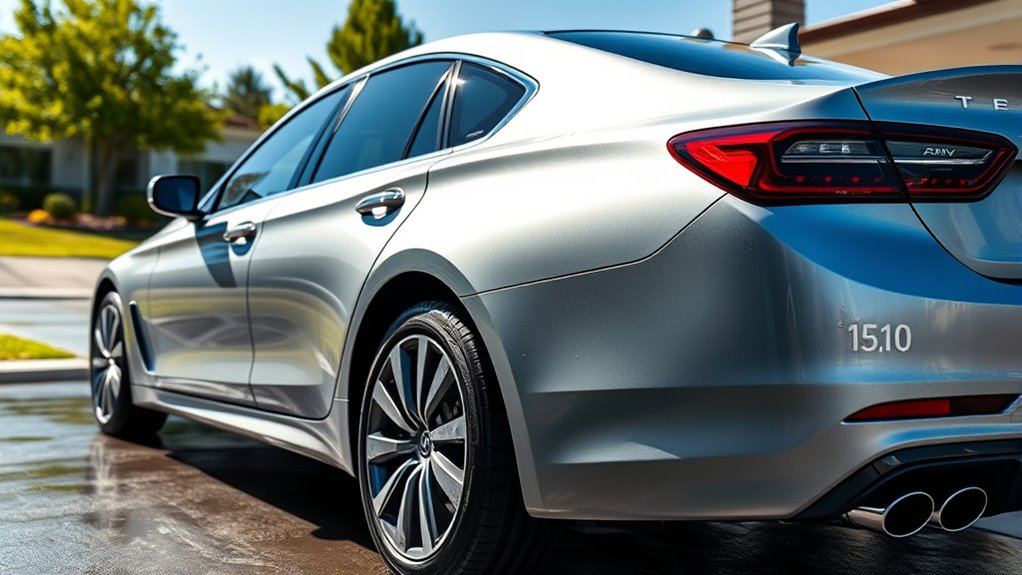
Should You Wash Your Car Before Turning in Your Lease?
Getting ready to turn in your lease can feel overwhelming, especially when you’re worried about extra fees or surprises. Many people struggle with knowing exactly how to prepare their car for return.
Yes, you should wash your car before returning your lease to guarantee it looks its best and avoid extra cleaning fees. A clean vehicle helps reveal any existing damage and makes inspection easier for your lease company.
Whether you choose professional or DIY cleaning, maintaining a spotless car can save you money and hassle.
Keep in mind, documenting your car’s condition is also important for a smooth return—continue to learn tips that can help you prepare.
Key Takeaways
- Washing your car improves its appearance and helps meet lease return cleanliness standards.
- A clean car makes damage inspection easier and more accurate, which can help avoid charges.
- Professional cleaning can be thorough, but you can also do a good job yourself if you’re careful.
- Properly cleaning and documenting the vehicle can reduce cleaning fees and lower the chance of disputes.
- Leaving the car dirty might lead to extra cleaning costs and could affect your security deposit refund.
Should You Wash Your Car Before Turning in Your Lease?
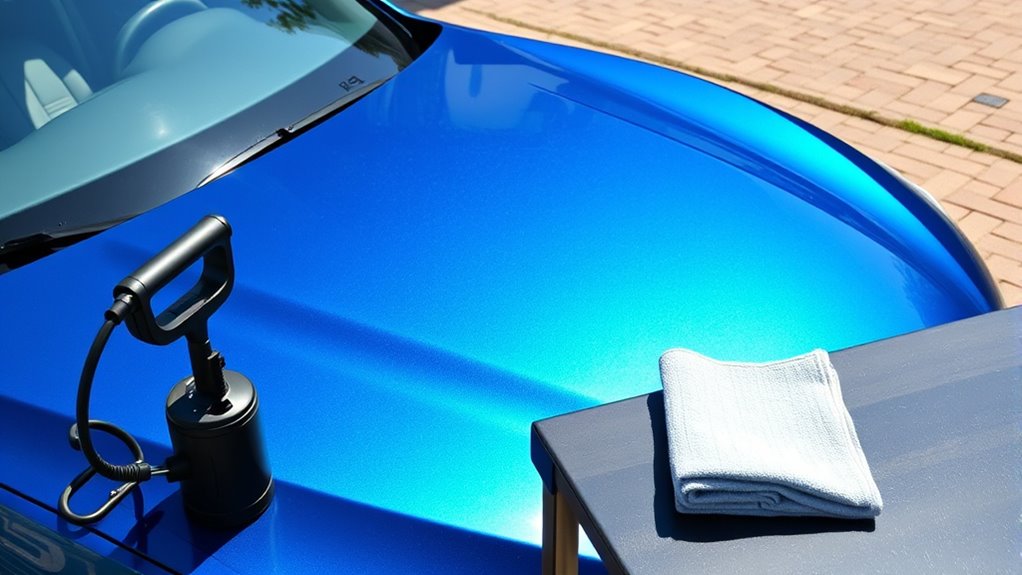
Many leaseholders wonder whether they should wash their car before returning it. Following proper lease return etiquette often includes giving it a good cleaning to make sure it looks its best.
Before heading to the dealership, review your cleaning checklist—this helps ensure no detail is overlooked. Washing your car before return shows respect for the vehicle and can help you avoid cleaning fees.
Review your cleaning checklist before returning your car to ensure thoroughness and avoid extra fees.
Focus on washing and drying the exterior, cleaning the windows, and wiping down the door jambs and trunk area. Don’t forget to vacuum the interior and remove any personal items.
A well-cleaned car shows you’ve taken good care of it, which can positively influence your final inspection. While some lease agreements specify cleaning procedures, it’s generally a good idea to give your car a thorough wash.
Doing this not only follows lease return etiquette but also helps you leave the vehicle in the best condition possible.
How to Assess Your Car’s Condition Before Lease Return
Before you return your lease, it’s a good idea to give your car a thorough look-over. Take a close peek at the exterior for any scratches, dents, or other damage that might have happened since you started leasing. It’s also smart to check the tires — look for uneven or excessive tread wear, just to be safe.
And don’t forget about the inside! Make sure everything’s clean and in good shape. A little tidying up can go a long way in making sure your car looks well-maintained and ready for the next owner.
Inspect Exterior Damage
Begin your inspection by walking around your vehicle to carefully examine the exterior for any signs of damage. Conducting a thorough damage assessment helps you spot dents, scratches, or paint chips that might incur charges. Use good lighting and check every angle, including doors, bumpers, and the roof. Keep a record of any issues you find so you can compare them with the lease’s return criteria.
Here’s a quick overview:
| Damage Type | Common Signs | Potential Charges |
|---|---|---|
| Dents | Impact marks, creases | Repair costs |
| Scratches | Visible lines or chips | Repainting fees |
| Paint Chips | Exposed metal or plastic | Repainting |
| Bumper Damage | Cracks or scuffs | Repair or replacement |
A careful exterior inspection helps you stay prepared and avoid unexpected costs.
Check Tire Wear
Evaluating your tire wear is essential because uneven or excessive tread loss can lead to extra charges at lease end. Start by checking your tire pressure; properly inflated tires prevent uneven wear and help them last longer.
Next, examine the tread depth using a tread depth gauge or the penny test. Insert a penny into the tread with Lincoln’s head upside down. If you see the top of Lincoln’s head, the tread is too worn, and you might face charges for tire replacement.
Make sure all tires have similar wear patterns and are within the recommended specifications. Address any uneven wear or low tire pressure before returning the vehicle, as these issues can be costly and may affect your lease return process.
Review Interior Cleanliness
Evaluating your car’s interior cleanliness is an important step to avoid extra charges at lease end. Start by checking the overall organization—remove clutter, trash, and personal items.
Next, inspect the seats, carpets, and floor mats for stains or dirt. Upholstery cleaning is key; if there are stains or worn fabric, consider cleaning or professional treatment to restore the look.
Pay attention to the dashboard, door panels, and windows, making sure they’re free of smudges and dust. A tidy interior not only looks better but also shows you’ve taken good care of the car.
If needed, vacuum thoroughly and spot-clean any stains. Doing these steps helps ensure your lease return goes smoothly and avoids extra fees for dirt or damage.
Do Washing Your Car Reduce End-of-Lease Charges?
Washing your car can actually help reduce end-of-lease charges. When your car is clean, dirt and grime are less likely to hide scratches or dents. This makes it easier to see any damage that might have occurred during your lease period.
Plus, a good wash helps you get a clear picture of your vehicle’s condition. If you notice any new scratches or dents, you can address them before returning the car. This way, you’re less likely to be surprised with extra charges when the lease ends.
Prevents Excess Dirt Accumulation
Dirt and grime can quickly build up on your car’s surface, especially if you’ve been driving in harsh weather or on muddy roads. Regular washing helps prevent dirt from settling into paint or hard-to-reach crevices.
When you wash your car before returning it, you remove the dirt that could be mistaken for damage or wear. It’s a simple step that keeps your vehicle looking its best and makes inspections easier.
Clean cars are less likely to get penalized for dirt-related charges and are easier to spot any existing issues. Overall, washing your car helps maintain its appearance and reduces the risk of end-of-lease charges due to buildup.
Highlights Existing Damage
Removing dirt and grime from your car’s surface not only keeps it looking good but also makes it easier to spot existing damage. A clean car gives you a clear view of scratches, dents, or chips, helping with accurate damage assessment. If you skip washing, these damages might be hidden under dirt, leading to unexpected end-of-lease charges.
Regular cleaning highlights the benefits of your vehicle’s condition and helps you document any pre-existing issues. Here’s how a thorough wash can improve damage assessment:
| Benefit | Explanation |
|---|---|
| Clear Damage Visibility | Dirt masks damage, so cleaning reveals issues upfront. |
| Accurate Inspection | Identifies damages before return, avoiding disputes. |
| Better Documentation | Visual proof supports your lease condition record. |
Washing your car ensures you’re aware of any damage, which could help reduce end-of-lease costs.
When Is the Best Time to Wash Your Leased Vehicle?
Wondering when to wash your leased vehicle? The best time is usually a few days before returning it, so you have time to fix any spots or dirt.
Wash your leased vehicle a few days before returning to fix any spots or dirt.
Proper timing makes sure your car looks its best and helps avoid damage claims. Keep in mind, how often you wash depends on your environment. If you drive on salted roads or through mud, you might need to wash it more often.
Use the right products made for your vehicle’s paint and finish to prevent scratches or damage. Here are four key tips:
- Schedule your wash at least 2-3 days before the return date.
- Avoid washing right before an inspection to prevent streaks or missed spots.
- Use gentle, vehicle-specific cleaning products.
- Consider a professional wash if you’re unsure about doing it yourself.
Getting the timing right ensures your vehicle looks spotless and makes returning your lease easier.
DIY or Professional: What’s the Best Way to Clean Your Leased Car?
Deciding whether to wash your leased car yourself or hire a professional depends on your comfort level and the vehicle’s condition. If you’re confident with DIY techniques, a thorough wash using quality products can save money and give you control over the process.
Basic cleaning tasks like hand washing, cleaning windows, and vacuuming seats are manageable for most car owners. However, if your vehicle has stubborn stains, heavy dirt, or you want a spotless finish, professional services can be worth the investment.
Professionals have specialized equipment and expertise to achieve a deep clean, especially for hard-to-reach areas or detailed work. Ultimately, your choice depends on your time, skill, and how pristine you need the car to look.
Both options can effectively prepare your leased vehicle for turn-in. Weighing your comfort with DIY techniques against the benefits of professional cleaning will help you decide the best approach.
What Are Common Lease-End Cleaning Fees and How Can You Avoid Them?
Lease-end cleaning fees can really surprise you if your car isn’t spotless when you return it. Those charges can range from a few hundred dollars to even more, so it’s good to know what’s typically expected. Usually, they’ll bill for things like cleaning carpets, interior surfaces, windows, and sometimes even the engine bay.
To avoid ending up with extra charges, just make sure you’re meeting or even exceeding those standards. A simple way to do that is by giving your car a thorough clean—vacuum the carpets, wipe down the surfaces, clean the windows, and maybe give the interior a quick dusting. Doing these little things can go a long way in keeping your costs down and making your lease end much smoother.
Typical Cleaning Charges
Most lease agreements include specific charges for excessive dirt, stains, or damage that go beyond normal wear and tear, and these fees can add up quickly if you’re not careful. Understanding typical cleaning charges helps you meet cleaning expectations and avoid surprises.
Common lease-end fees include interior stains on seats or carpets, excessive dirt or mud in the trunk or mats, pet hair or odor, and exterior dirt or paint splashes.
These charges often come from neglecting basic cleaning tasks outlined in your lease agreement. To keep costs down, make sure you thoroughly clean the interior, wash the exterior, and remove pet-related messes before returning the vehicle.
Being aware of these common fees helps you avoid unnecessary expenses and ensures your vehicle meets the cleaning expectations specified in your lease agreement.
Tips to Minimize Fees
To avoid costly cleaning fees at the end of your lease, taking proactive steps to keep your vehicle tidy is essential. Review your lease agreements to understand specific cleaning requirements and potential penalties.
Use quality cleaning products to regularly maintain your car’s interior and exterior, preventing dirt buildup. Follow detailing tips like vacuuming carpets and wiping down surfaces to keep your vehicle in top shape.
Before returning it, schedule a thorough vehicle inspection to identify minor issues early. Address these issues promptly to avoid additional charges.
Keeping your car well-maintained not only helps prevent excessive cleaning fees but also shows good care. This can boost your chances of getting your security deposit back in full.
How to Document Your Car’s Condition for a Smooth Return
Documenting your car’s condition thoroughly is key to ensuring a smooth lease return and avoiding unexpected charges. Start by taking clear, detailed photos of every angle, especially focusing on scratches, dents, and interior wear. Make sure your car is spotless—use the right cleaning products to remove dirt and grime, and consider professional detailing for a fresh look.
To make sure you don’t miss anything, follow these steps:
- Take high-resolution photos of the exterior, including close-ups of any damage.
- Document the interior, noting stains, tears, or worn areas.
- Keep records of maintenance and repairs, like oil changes or tire replacements.
- Check your lease agreement for any specific return condition requirements.
Thorough documentation helps protect you from unwarranted charges and makes the lease-end process smoother. Taking these steps now can save you headaches down the road.
What Are the Risks of Leaving Your Car Dirty at Lease End?
Leaving your car dirty when returning a lease can lead to unexpected costs and complications. Many lease agreements specify that the vehicle should be returned in good condition, and cleanliness impacts this assessment. If your car appears dirty or stained, the leasing company may charge for cleaning or detailing services. These fees can add up quickly, sometimes costing hundreds of dollars.
Moreover, a dirty vehicle can give the impression that you neglected your lease responsibilities, potentially affecting your security deposit refund. During the lease return process, inspectors often document the vehicle’s condition, and dirt or damage can be mistaken for neglect or misuse.
To avoid these risks, maintaining a clean car helps guarantee a smooth lease end and minimizes additional charges. Ultimately, a spotless vehicle reflects well on you and reduces the likelihood of disputes or fees related to cleanliness during the lease return.
How to Properly Wash and Detail Your Leased Vehicle
Start by gathering all the necessary supplies, including car wash soap, microfiber towels, a soft brush, and a vacuum cleaner. Properly washing and detailing your leased vehicle guarantees it looks its best for return.
For exterior washing, use a gentle soap and microfiber towels to remove dirt without scratching the paint. When cleaning the wheels and tires, a soft brush helps dislodge brake dust and grime.
For the interior, vacuum all carpets, seats, and mats thoroughly. Follow up with interior detailing to clean surfaces, vents, and door panels.
To add depth to your process, consider these steps:
- Rinse the car with water before applying soap.
- Use two microfiber towels—one for cleaning, one for drying.
- Pay special attention to hard-to-reach areas during interior detailing.
- Dry the vehicle completely to avoid water spots and streaks.
This thorough approach guarantees your leased car is spotless, reducing potential charges at lease end.
Top Tips for a Hassle-Free Lease Return
After giving your vehicle a thorough wash and detail, you’re well on your way to a smooth lease return. To make the process even easier, focus on a few top tips for hassle-free car maintenance and lease return.
First, review your lease agreement for any specific requirements, like repairs or cleaning. Address minor issues such as scratches or dents to avoid extra charges.
Next, check that your tires are properly inflated and verify fluid levels. These simple steps can prevent unnecessary fees down the line.
Remove all personal belongings and clean out the interior for a tidy appearance. Taking a little time to tidy up can make a big difference.
Also, keep an eye on any upcoming maintenance like oil changes and get them done before returning the vehicle.
Finally, consider scheduling a pre-return inspection if your leasing company offers it. This allows you to catch and fix potential problems early, helping you avoid surprises and ensuring you meet all lease return conditions.
Following these tips will keep your lease return straightforward and stress-free.
Frequently Asked Questions
Can Washing My Leased Car Affect My Security Deposit?
Washing your leased car generally won’t affect your security deposit, but it can impact the car’s condition. A clean car shows good maintenance, which leasing companies appreciate.
However, if you leave excessive dirt or stains, it might be considered damage, possibly leading to charges. To avoid issues, wash your car thoroughly but make sure it’s in good condition.
This can help you get your security deposit back without any unnecessary deductions.
Are There Specific Cleaning Standards Required by Leasing Companies?
Leasing companies usually have specific cleaning expectations outlined in your lease agreement. It’s a good idea to review these details before returning the vehicle.
Make sure to thoroughly clean both the interior and exterior to meet these standards. This includes removing stains, vacuuming carpets, and washing the outside of the car.
Checking your lease agreement for detailed cleaning requirements can help you avoid extra charges or penalties. Meeting these expectations ensures the car is in good condition when you return it.
How Long Before Lease Return Should I Wash My Vehicle?
Think of your lease return as sealing a letter—you want it pristine before sending.
You should wash your car a few days before the lease return, giving time for any touch-ups.
Stick to your regular cleaning schedule, but don’t wait until the last minute. Dirt that’s left too long might look intentional.
Washing early helps ensure your vehicle’s appearance matches lease standards. This makes the return process smoother and helps you avoid extra charges.
Is It Better to Wash the Car Myself or Hire a Professional?
It’s better to hire a professional for washing your car before lease return because they use advanced cleaning techniques that guarantee a thorough job.
While a DIY wash may save money initially, a professional’s expertise reduces the risk of missed spots or damage, making the cost worthwhile.
Plus, professionals typically assure a spotless finish, which helps you avoid extra charges for excessive wear or dirt during the lease inspection.
Will Washing the Car Increase the Risk of Damage During Cleaning?
Washing your car doesn’t necessarily increase the risk of damage if you use proper techniques.
Choose gentle cleaning methods, like hand washing with soft sponges or microfiber cloths. Avoid high-pressure washers, as they could harm your paint or trim.
Be careful around delicate areas like mirrors and lights. Using the right cleaning techniques helps keep your car in good shape.
This way, your car will look great when you return your lease and you can avoid costly damage penalties.
Conclusion
When you return your lease, think of your car as a reflection of your journey—cleanliness shining like a fresh start. Washing it now isn’t just about avoiding charges; it’s about closing one chapter and welcoming the next with pride.
A spotless car symbolizes respect for your past and readiness for new roads ahead. Giving it that final wash helps you leave it in the best condition possible.
So, should you wash your car before turning in your lease? Absolutely. A clean car can make the process smoother and leave a good impression.