Do Car Washes Damage Your Vehicle and Cause Scratches?
Many car owners worry about whether car washes can actually damage their vehicles. You’re not alone—this is a common concern for anyone wanting a clean car without risking scratches or dents.
Car washes can damage your vehicle and cause scratches if the equipment isn’t well-maintained or if harsh brushes and chemicals are used. Automatic washes with stiff brushes are more likely to scratch than touchless or hand washes with soft cloths.
Poor technique or dirty equipment also increases risks. To keep your car safe, use gentle cleaning methods and inspect regularly.
If you want to learn more about protecting your car, keep exploring the details below.
Key Takeaways
- Automated brushes with stiff bristles can cause scratches if they are dirty or damaged.
- Low-quality or worn equipment increases the risk of paint damage during the wash process.
- Harsh chemicals and improper washing techniques can weaken paint and lead to surface damage.
- Touchless or carefully hand-washed vehicles are less likely to experience scratches.
- Regular inspection and proper maintenance of equipment help prevent damage and scratches.
How Do Car Washes Clean Your Vehicle?
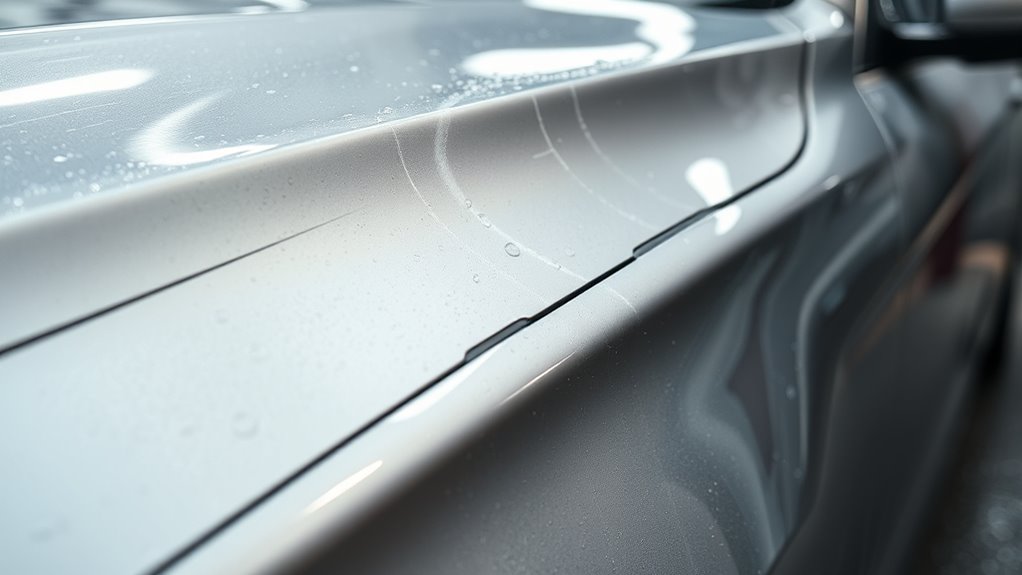
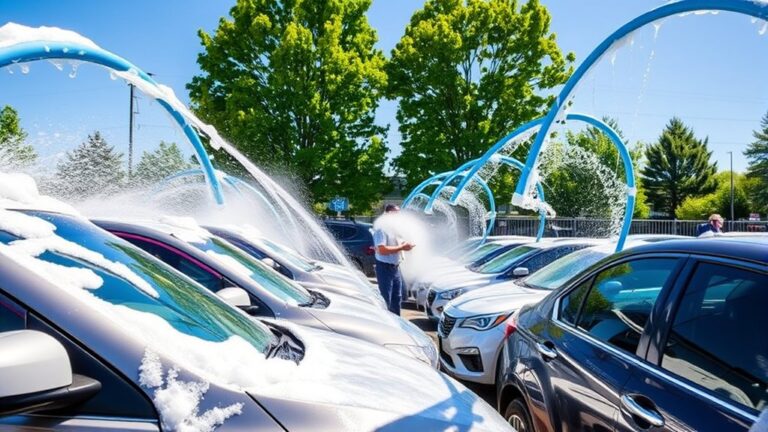
Car washes clean your vehicle by using a mix of water, detergents, and mechanical action to remove dirt, grime, and contaminants. The water pressure is really important because it helps loosen debris without damaging the paint if set correctly.
High-pressure sprayers blast away mud and dust, reaching into the crevices where grime builds up. Cleaning agents or detergents are applied to break down grease, oil, and stubborn dirt.
High-pressure sprayers remove mud and dust, reaching into crevices, while detergents break down stubborn grease and dirt.
These cleaning agents are designed to lift contaminants from the surface, making it easier for water and mechanical action to wash them away. During the wash, brushes or cloths gently scrub the surface, aided by the cleaning agents, to ensure a thorough clean.
Properly maintained equipment and the right water pressure ensure your vehicle gets clean without scratches or damage. This combination of water pressure, cleaning agents, and mechanical action makes car washes effective at restoring your vehicle’s appearance.
Are Automatic Car Washes Safe for Your Car’s Paint?
Automatic car washes can be convenient, but they might not always be the best for your car’s paint. Sometimes, if the brushes are dirty or too rough, they can actually cause scratches or damage to the paint. So, it’s good to be aware of what kind of wash you’re using.
On the other hand, touchless washes don’t rely on brushes at all. Instead, they use high-pressure water and special detergents to clean your car, which helps reduce the chances of scratches. Knowing the pros and cons of each option can help you pick the safest way to keep your vehicle looking good without risking damage to the paint.
Potential Paint Damage Risks
While automatic car washes offer convenience, they can pose risks to your vehicle’s paint if not properly maintained or used. Damaging washing techniques like rough brushes or abrasive scrubbers can scratch or strip away paint protection, leading to dull spots or even rust over time.
Low-quality brushes or dirty equipment increase the chances of dirt and debris scratching your car’s surface. Harsh chemicals used in some washes may also weaken the paint’s integrity.
To minimize these risks, choose washes that prioritize gentle, soft cloths and proper maintenance of equipment. Regularly inspecting and maintaining the wash system helps keep your vehicle’s paint protected, reducing the chance of damage from improper washing techniques.
Benefits of Touchless Wash
Touchless washes are often considered one of the safest options for protecting your vehicle’s paint because they eliminate the risk of scratches caused by brushes or abrasive scrubbers. Using touchless technology, these washes rely on high-pressure water and specialized cleaning agents to remove dirt and grime without physical contact.
Foam application plays a key role, as thick foam loosens debris gently, reducing the chance of scratches. Since no brushes or cloths touch your car’s surface, there’s less wear and tear on the paint. This method is especially beneficial for delicate finishes or recently detailed vehicles.
Which Types of Car Washes Are Most Likely to Scratch Your Car?
Have you ever noticed scratches or swirl marks after a car wash? If so, it’s probably because of the type of wash you used.
Automated brushes with stiff bristles and rough wash techniques often cause these marks, especially if dirt and debris aren’t cleaned off first. Hand washes using soft cloths can help reduce scratches, but only if you’re careful.
Here’s a quick comparison:
| Wash Type | Likelihood of Scratches |
|---|---|
| Automatic with brushes | High. Stiff bristles can trap dirt and scratch. |
| Touchless washes | Low. No brushes, but harsh chemicals may cause minor damage. |
| Hand wash with soft cloths | Moderate. It depends on how carefully you wash. |
| Drive-through washes | Moderate to high. Quality varies, and some use brushes. |
Choosing gentle, proper hand washing with soft cloths can minimize scratches, unlike more aggressive automated or drive-through options.
Can Poor Maintenance or Equipment Damage Cause Scratches?
Yeah, poor maintenance or equipment damage can definitely cause scratches on your car. If the equipment isn’t taken care of properly, it might develop rough or damaged parts that end up scratching the paint. Things like worn-out brushes or dirty rollers can unintentionally damage your car during a wash. That’s why regular upkeep is so important—keeping everything in good shape helps prevent equipment issues that could harm your vehicle’s finish.
Equipment Malfunction Risks
Poor maintenance of car wash equipment can greatly increase the risk of scratches on your vehicle. When equipment wear happens without proper inspection and repairs, it can cause metal parts to loosen or surfaces to become rough.
These damaged or worn parts may come into contact with your car’s paint, leading to scratches. If maintenance protocols aren’t followed regularly, small issues can turn into serious problems.
For example, worn brushes or malfunctioning rollers can scratch your vehicle’s surface if they aren’t replaced or repaired quickly. Regular maintenance ensures all components work smoothly and reduces the chances of equipment-related scratches.
Neglecting these precautions puts your car at risk, making it more vulnerable during the wash process.
Inadequate Maintenance Effects
Inadequate maintenance of car wash equipment can directly lead to scratches on your vehicle. Worn or damaged parts are more likely to come into contact with your car’s surface, causing damage.
Poor maintenance practices can cause buildup, misaligned brushes, or loose parts that create friction and scratches during washes. When upkeep is infrequent, equipment deteriorates faster, increasing the risk of surface damage.
Regular inspections and timely repairs are essential to prevent these issues. Keeping everything in good shape helps ensure a smooth, scratch-free wash every time.
| Maintenance Practice | Effect on Vehicle |
|---|---|
| Frequent inspections | Reduces scratches |
| Neglecting repairs | Increases damage |
| Cleaning brushes | Prevents buildup |
| Tightening loose parts | Minimizes contact |
| Scheduled maintenance | Guarantees smooth operation |
Do Wash Mitts and Brushes Damage Your Vehicle?
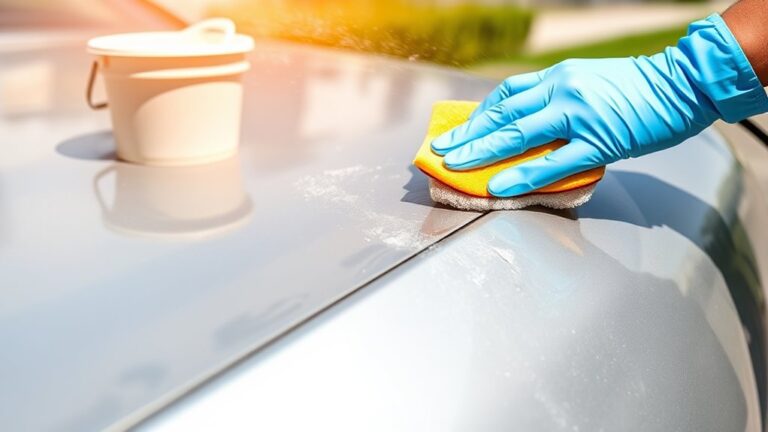
Wondering whether wash mitts and brushes might harm your vehicle? It’s a valid concern. Wash mitts, especially if made from soft materials, can be gentle on your paint.
However, the type of brush you use makes a big difference. Some brush types, like stiff or coarse brushes, can scratch or swirl your paint if not used carefully.
Choosing gentle brushes helps protect your car’s paint from scratches and swirl marks.
Soft, microfiber wash mitts are generally safer because they lift dirt away without causing damage. Brushes with rough bristles tend to trap dirt and grit, which can scratch your car’s surface.
Always choose high-quality wash mitts designed for automotive cleaning, and avoid aggressive brush types. Proper technique matters too—rinsing your mitt or brush frequently during the wash helps prevent dirt from scratching the surface.
Ultimately, selecting the right tools and using them correctly can protect your vehicle from damage during cleaning.
How Can You Tell If a Car Wash Has Damaged Your Paint?
Here are some tips for scratch identification:
Use a microfiber cloth to gently wipe the surface. See if you can feel rough spots or catch on scratches.
Check for inconsistent paint thickness, which can signal damage.
Compare the current condition to previous photos or memories of your vehicle’s paint. Look for any changes.
Regularly inspecting your paint helps catch damage early so you can fix it before it gets worse.
Tips to Minimize Scratches During a Car Wash
To minimize scratches during a car wash, choose the right tools and techniques. Use soft, microfiber wash mitts or microfiber towels instead of rough sponges or brushes, which can scratch your paint.
Always start by rinsing your vehicle thoroughly to remove loose dirt and debris that could cause scratches during washing. When selecting wash products, go for gentle, pH-balanced soap or products made specifically for cars.
Avoid household detergents that might be too harsh. It’s also a good idea to wash your vehicle in straight lines rather than circles to prevent swirl marks. Always dry with a microfiber towel to avoid water spots and scratches.
Make sure to clean your wash tools regularly to remove dirt and grit. Following these simple tips helps protect your vehicle’s finish and keeps it looking its best, even after multiple washes.
Are Hand Washes or Self-Service Bays Safer for Your Car?
Choosing between hand washes and self-service bays can really affect your car’s paint and finish. Hand washes often have perks like more careful cleaning and less chance of scratches when done right. You can control the pressure and tools used, which helps prevent damage.
Hand washes offer careful cleaning and reduce scratch risks when done properly.
Self-service bays are cheaper and more convenient. You can wash your car anytime without waiting for an appointment. They usually have brushes and high-pressure hoses, which work well if used carefully. But if you don’t clean the brushes often or if debris gets trapped, the risk of scratches goes up.
Hand wash benefits:
- More thorough cleaning
- Less chance of scratching if done properly
- Better control over tools
Self service advantages:
- Cost less
- Wash your car whenever it suits you
- Quick and easy to do on the spot
How to Choose a Gentle and Safe Car Wash Facility
Selecting a gentle and safe car wash facility requires paying close attention to a few key factors. First, look for places that offer eco-friendly options like biodegradable soaps and water recycling systems. These choices help reduce environmental impact and lower the risk of harsh chemicals damaging your car’s paint.
Next, consider how often you want to wash your car. Over-washing can cause unnecessary wear and scratches, so pick a facility that matches your car’s needs without overdoing it.
Also, check the quality of the equipment. Soft brushes and well-maintained automated systems are less likely to cause damage. Reading reviews can give you a good idea of which places are known for gentle, careful washing.
Finally, ask about the products and techniques they use. Choose facilities that focus on gentle cleaning methods and eco-friendly practices to keep your car safe and looking great.
How to Check Your Car After Washing for Damage
After your car wash, it’s important to carefully look over your vehicle for any damage. Start by inspecting the paint for dull spots, chips, or discoloration that might be scratches or paint issues. Focus on areas prone to scratches, like door handles, bumpers, and around the wheels.
To spot scratches effectively, use good lighting and check from different angles. Look for fine lines or scuffs that could have happened during the wash.
Here are some tips to help with your inspection:
- Check the paint under direct sunlight or bright light.
- Gently run your fingers over the surface to feel for rough spots or raised edges.
- Use a microfiber cloth to wipe the paint, which can help reveal hidden scratches or damage.
Following these steps helps you catch any problems early and keeps your vehicle looking great.
Frequently Asked Questions
Do Specific Car Wash Detergents Harm Your Vehicle’s Paint?
Certain car wash detergents can harm your vehicle’s paint if they have harsh ingredients or poor formulation. Low-quality detergents might strip away your paint protection or cause micro-scratches over time.
To avoid damage, choose a detergent with a gentle formulation designed for automotive use. Always go for products that help preserve your car’s finish.
Consider using a pH-balanced detergent to keep your paint looking its best. This helps ensure your car stays shiny and protected after every wash.
Can Dirt or Debris Cause Scratches During the Wash Process?
Imagine tiny swords of dirt and debris lurking on your car’s surface, ready to scratch if mishandled.
During the wash process, improper techniques or harsh brushes can turn these lurking threats into visible damage.
Always opt for gentle, soft brushes and proper methods like two-bucket washing.
This helps prevent dirt from acting as a tiny foe, keeping your car’s paint smooth and scratch-free.
How Often Should You Wash Your Vehicle to Prevent Damage?
You should wash your vehicle every one to two weeks, following the recommended frequency guidelines to prevent dirt buildup that can cause scratches. Regular washing keeps your car looking great and maintains its paint integrity.
The wash benefits include removing debris and contaminants that can damage your vehicle over time. By sticking to a consistent schedule, you help protect your car from scratches and other damage caused by dirt or grime.
Are Newer Car Wash Technologies Safer Than Traditional Methods?
Like a modern-day Icarus, you might worry about new car wash tech risking your vehicle’s safety.
Luckily, newer systems with touchless technology, foam applications, and robotic systems are safer than manual washing.
They reduce contact, minimizing scratches and paint damage while boosting paint protection.
These advanced methods make cleaning easier, prevent swirls, and keep your car looking great.
Does Parking Your Car in Certain Environments Increase Scratch Risk?
Parking your car in certain environments can increase scratch risk. Environmental factors like falling debris, bird droppings, or tree sap can damage your paint, especially if left for a long time.
Parking surfaces matter too. Rough or gravel lots can cause scratches from small stones or debris. To keep your car safe, try to park in sheltered spots and avoid areas prone to environmental hazards or abrasive surfaces.
Conclusion
Ultimately, taking care of your car means staying vigilant and choosing the right wash. While the fear of scratches can seem like a storm cloud on your horizon, with proper maintenance and gentle methods, you can keep your vehicle shining without worry.
Don’t let your guard down. Think of it as steering clear of rough waters. By staying informed and attentive, you’ll keep your car looking its best, safe from harm, and ready to hit the road with pride.
When it comes to car washes, many wonder if they cause damage or scratches. The good news is that with the right techniques, car washes don’t have to harm your vehicle.
Choosing a gentle wash and avoiding harsh brushes can prevent scratches. Regular, proper cleaning helps maintain your car’s finish rather than damage it.
So, yes, car washes can be safe if you pick the right one and handle your vehicle carefully. Stay cautious, and you’ll keep your car looking its best without worry about scratches or damage.